Posts

Showing posts with the label covercrops

Cover Crop Value

Image
  What value do cover crops bring to a farm field? As the old saying goes: There are a 1000 ways to skin a cat! Please do not take that literally. I came across two sources that try to put a value on cover crops for their farms. Rulon farms in Indiana have been doing no-till and cover crops since 2005. They farm 5600 acres, 50-50 corn -soybean, using no-till and about 90% of their acres have cover crops. This is a family farm with one brother being a Purdue Economist. Since they believe the benefits accrue over many years, they do a “whole farm” cost-benefit approach (costs and benefits/acre are additive). The Rulon’s have used 4 different cover crop mixes using mostly spring oats, radish, rape, and crimson clover (after early corn) or simply cereal rye after late corn. Their average cost per acre for seed is around $22/acre. The cost for seeding is another $13 for a total cost per acre of $35 (whole farm).Cover crop benefits are varied and additive. On fertilizer, they figure they...
Planting Small Seeded Clovers and Legumes

Image
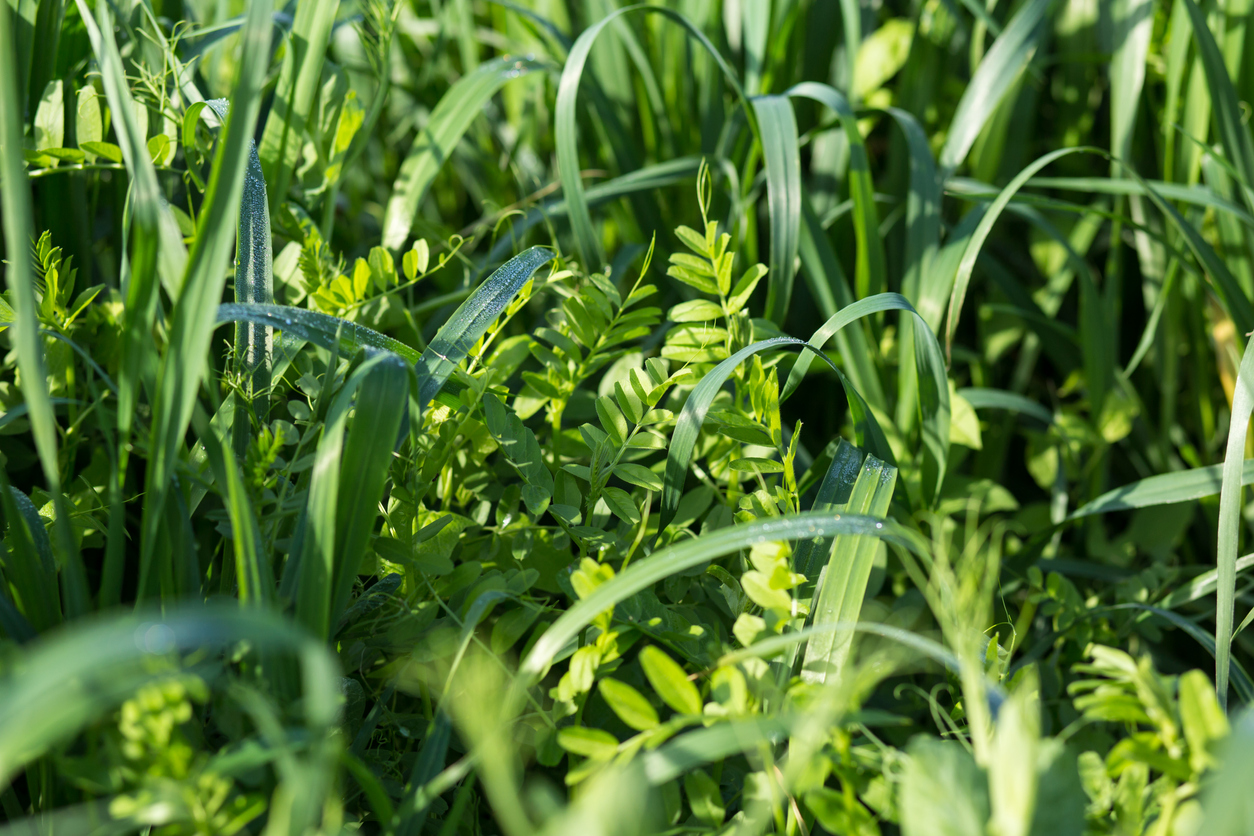
Planting small seeded clovers and legumes can be challenging, be that for forages or as a cover crop. Soil types, surface residue, weather especially moisture, seeding depth and getting the right rate on can all either cause a failure or a reduced stand. Here are a couple planting tips. Small seeded clovers and legumes can grow well in sandy loam soils to clay soils with some modifications. Sandy soils tend to dry out and the seed may move too deep in the soil at planting. On clay soils, the soil may be more compacted but they tend to hold more moisture. If the seed stays to close to the surface, without adequate rain, the seed may dry out or get tied up in a thick crust. Often a nurse crop (oats) may help small seeded crops emerge and also initiate critical microbes that can assist a small seedling in germination and growth. Most clovers and legumes need a good pH and lime (calcium carbonate) or gypsum (calcium sulfate) to have good germination. Adequate calcium is needed to initiate ...

Cover Crop or Cash Crop?

Image
  Cover crops protect the soil, build organic matter, and promote healthy soils. Some cover crops are used as forages (sorghum, triticale, and clovers) while others are used for grain (barley, milo, oats, wheat, rye). Now a winter cover crop (winter pea) has been bred for human food and another (penny cress) for oil. Several winter cover crops may now offer farmers additional cash while providing environmental benefits.  USDA-Agricultural Research Service (ARS) has been researching winter or autumn-sown peas (Pisum sativum) also called "black peas" or "field peas” which are annual legumes with excellent nitrogen-fixing abilities. These pea species originated in the eastern Mediterranean and western Asia. They should not be confused with cowpeas (Vigna unguiculata), a summer annual which are also known as field peas. Winter peas have been traditionally grown as a cover crop to generate nitrogen, used as animal feed, or used in wildlife plots. Now winter peas (WP) have bee...

Terminating Cover Crops

Image
  As planting season is partially delayed in some areas due to wet weather, farmers are wondering when and how to terminate their cover crops. If soils are wet, a growing cover crop helps dry out soil through evapotranspiration. Crop water use, also known as evapotranspiration (ET), represents soil evaporation and the water used by a crop for growth (transpiration). Transpiration is the water transpired or lost to the atmosphere from small openings on the leaf surfaces. Evaporation is the water evaporated or lost from the wet soil and plant surfaces. When a crop reaches full cover, approximately 95 percent of ET is due to transpiration and evaporation from the crop canopy at full sunlight. About 97-99% of water absorbed by plant roots is lost to transpiration. Most plants have a total transpiration of 440 to 2,200 pounds of water per pound of plant growth. Cool season grasses like rye have a higher transpiration rate than warm season grasses like corn. When cereal rye is at its pea...

Cover Crop Dividends

Image
Farmers had several state and national opportunities to receive payments or premiums from planting cover crops. Some deadlines are past, others have been extended. Farmers may want to review some of these programs and look at the current benefits from planting cover crops yet this fall. Ohio H20 Program: Due to a late harvest and adverse weather conditions, the Ohio Department of Agriculture (ODA) extended the 2021 H2Ohio Program deadline for planting overwintering cover crops to November 1st , 2021. Theses cover crops include small grains and manure incorporation. H2Ohio producers enrolled in any of the 24-county Ohio area will have until November 1, 2021 to plant their overwintering cover crops and complete all manure incorporation requirements. ODA recommends to adjust seeding rates to reduce to the risk of planting failure. According to the Natural Resource Conservation Service (NRCS) Appendix A, seeding rates should be increased by 20% when planting cover crops this late in the s...

Overwintering Cover Crops & Small Grains

Image
  The H2O Ohio program is a state conservation program that pays farmers for conservation practices. It includes overwintering cover crops and a small grains program to help keep nutrients out of Lake Erie. Farmers are now signing up for these programs but may not know or remember all the details. Here is a summary of the key points for each program. The purpose of these two programs is to encourage the establishment of overwintering cover crops program or a small grain. The primary goals are to reduce sheet, rill, and wind erosion and improve water quality by reducing excess nutrient flows to surface water. Adding overwintering cover crops and small grains also increases crop and soil diversity to improve soil health. Some key points on the overwintering cover crop program: The overwintering cover crop must be established no later than October 15th. Some farmers may need to hire a plane, helicopter, or a highboy applicator to get the cover crops planted in time, depending on time ...

Double Crop Soybeans or Cover Crops

Image
Approaching mid-July, some farmers are still debating whether to plant soybeans after wheat harvest. Double crop soybeans are risky but high soybean prices, early summer planting and good weather favor farmers taking the risk. As summer progresses, the risk of failure increases on double crop soybeans. Cover crops are often planted from June to October with good results depending upon the species and weather. Planting cover crops after mid-July becomes a much safer proposition. Let’s start with looking at our current crops. For the most part, corn looks great this year while soybeans are average at best, depending upon the field. Corn was planted when the soil was dry and then it started to rain and soybeans where planted. Soybeans suffered from seed corn maggot and/or wire worms, and then if the soil was vertically tilled, standing water and pathogens (fusarium, phytophthora, etc) began a problem. In some fields, soybean struggled with slow growth due to small puckered and/or cupped l...

Cover Crops Impact Soil Health

Image
Planting cover crops is becoming a common practice, however; producers may not be sure what is the impact of cover crops on soil health. Andy Clark (USDA-SARE, 2015) outlines key ways that cover crops lead to better soil health and potentially better farm profits. Cover crops feed many types of soil organisms including soil fungi and bacteria that are beneficial to crops. Microbes feed on carbohydrates that plants roots exude (release) and in return; trade nutrients such as nitrogen, phosphorus, and micronutrients to crop roots. Many other soil organisms eat the fungi and bacteria, recycling those nutrients back to the plant. Cover crops increase the number and types of earthworms in the soil. Nightcrawlers tunnel vertically, while redworms tunnel horizontally. Both earthworms create channels for crop roots to grow and for rainfall and air to move into the soil while inoculating the soil with microbes. Cover crops and live roots help support the entire soil food web throughout the year...

Seeding Cover Crops after Wheat

Image
Wheat will be maturing early due to 90OF temperatures. Wheat grows best under cooler temperatures (less than 800F) and moist soil conditions. Wheat stands look great, but starts to die with hot dry temperatures, resulting in lower wheat yields. Wheat harvest may start in 4-5 weeks, so start ordering cover crop seed now. A long growing season after wheat allows for many cover crops options. Warm season cover crops grow in the summer but die with the first frost while cool season species generally survive the winter. Major categories include legumes, grasses, brassicas, and other broadleaves. Each cover crop has certain benefits and disadvantages. Cover crops benefits include adding carbon, improving water infiltration and soil structure, tying up soluble nutrients, and are good weed fighters.  Legumes and clovers are high nitrogen fixers before corn and are slightly more expensive. Warm season legumes include cowpeas and Austrian winter peas while cool season legumes include true wi...

Crimping Cover Crops

Image
Cover crops outcompete many troublesome weeds but cover crop needs to be terminated. Most farmers kill cover crop with herbicides but crimper crop rollers can terminate naturally. Selecting the right cover crop to crimp and timing are critical for getting good crimping results. The most common grass crops that are crimped are cereal rye, oats, triticale, and wheat. Avoid trying to crimp soft flexible plants like annual ryegrass because they do not have enough lignin in the stems to cause the plant to crimp properly. For legumes, hairy vetch, winter peas, cowpeas, Balansa and crimson clovers have been successfully terminated by crimping. The best time to crimp grass cover crops are when the seed heads are emerging and for legumes when they are blooming. The crimper crop roller mechanically rolls down plants and “crimps” or kinks the stem so that water and nutrients can not move up the xylem or sugars down the phloem. Crimper blades are blunt and spaced about 7 inches apart at a 15-degre...

Manure and Cover Crops

Image
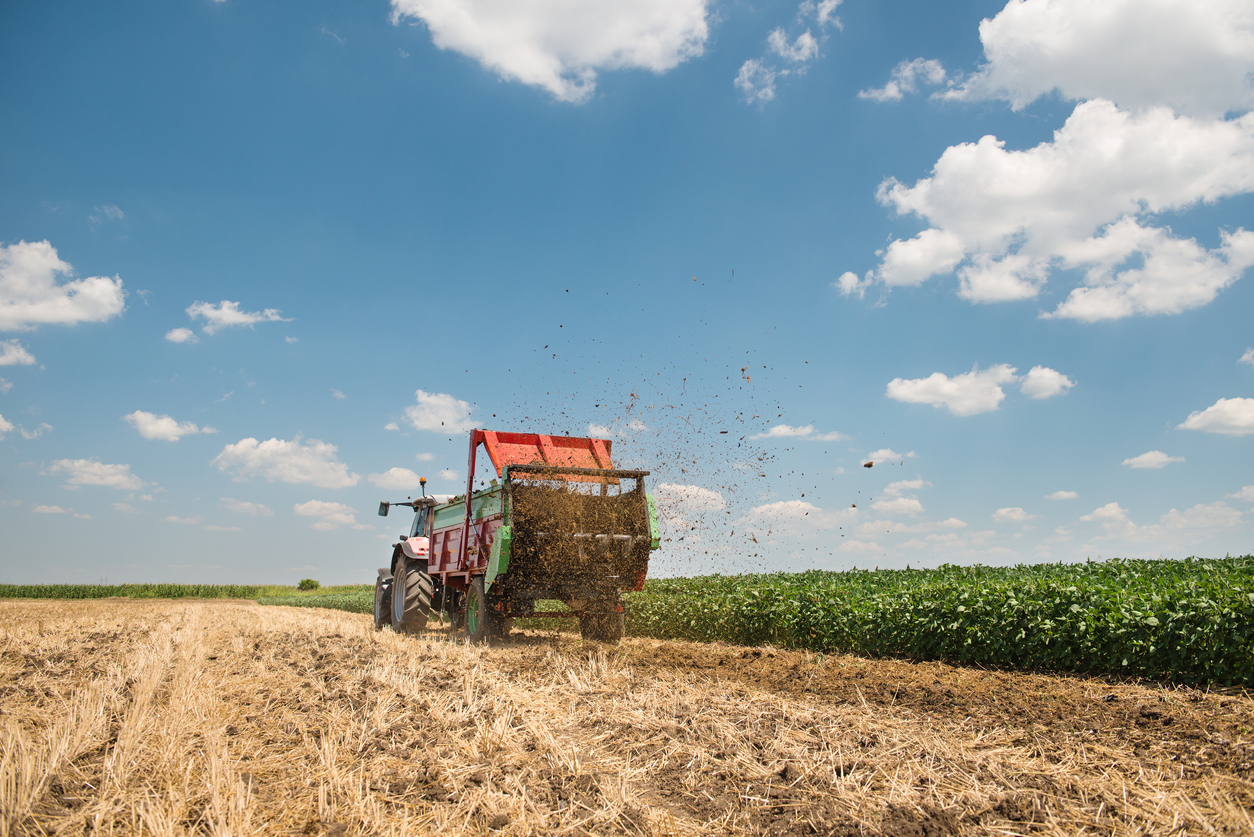
Many livestock farmers who are being compensated by the H2O Ohio program may be looking for guidance on planting cover crops. NRCS Appendix A (Cover Crops) is your best guide for cover crop seeding methods, planting dates, and planting rates. Contact your local Soil and Water Conservation office or local NRCS representative for additional questions. What should your cover crop accomplish if you are applying fall manure? First, a live plant that survives the winter and absorbs nitrogen, phosphorus, and reduces soil erosion. Fibrous fine roots systems are better than tap roots which may allow manure nutrients to leach into tile or surface water. The cover crop should be easy to kill, and it’s a bonus if it can be used for forage (but not allowed under the H2O Ohio program rules). Generally, grass cover crops with fibrous fine roots absorb manure nutrients the best. Legumes and clovers make their own nitrogen and readily absorb free nutrients but are generally a little less efficient at a...

Inter-Seeding Cover Crops into Corn

Image
Getting a good cover crop stand after harvest can be difficult, so farmers are inter-seeding cover crops early into standing corn. Benefits include erosion control, extra nitrogen from legumes or clovers, using grasses as nitrogen scavengers, weed suppression, and livestock forage (grazed or hayed). Inter-seeding cover crops into corn early takes some planning; especially on timing, planting equipment, and selecting cover crop mixes, seeding rates and herbicides. Timing is critical so inter-seed before the corn canopies but not too early so that corn has to compete for moisture and sunlight. Penn State research shows that about V5 (V4-V6) or when corn has five true leaves is the ideal time. Planting earlier than V4 often results in competition from the cover crops and corn yield losses. Planting after V6 may be successful, but the amount of cover crop biomass may decline due to moisture and sunlight limitations. The goal is to get a head start on cover crop growth before corn is harves...

Corn and Soybean Cover Crop Management

Image
As fall harvest progresses, farmers are looking ahead to next year’s crop. Corn and soybean farmers utilizing no-till and/or cover crops may need to make different management decisions than conventional tillage farmers. Enclosed are tips for managing cover crops and making fertilizer adjustments. Legumes and clover cover crops are usually planted before corn because they make nitrogen (N). Legumes and clovers maximize N production (85-90%) at blooming, so terminate these cover crops before they set seed and the N is ties up. Most organic N is in the leaves and becomes available to the next crop 2-5 weeks after they decompose. Most no-till farmers add 40-60# N in a corn starter to stimulate early corn growth, when soil microbial communities are lower and recovering after a cold winter. Microbial populations increase exponentially with moisture and warmer soils in late spring and early summer, recycling soil nutrients to the next crop. Long-term N studies show that 20-50% of corn N comes...

Planting Cover Crops Late

Image
As harvest progresses, its not too late to plant cover crops, but the options are becoming more limited. Most cover crops need a minimum of 60 days of growth before cold freezing winter weather limits growth. Rape seed, kale, and cereal rye are three cover crop varieties that can be planted later than most cover crops that are cold sensitive. The key is getting them planted as soon as possible. Rape seed and kale are small seeded brassica cover crops that can be broadcast or drilled. The seeding rate is generally 3-5 pounds per acre by themselves, requiring a .25 to .5-inch seeding depth, and they emerge in 4-10 days. These two brassicas can germinate at 410 F and grow quite rapidly in the fall and can still be planted in late October. The biggest disadvantage to planting either rape seed or kale before corn is that they do not promote the beneficial mycorrhizal fungi in the soil, so farmers may see a 5-10 corn bushel decrease. Soybeans yield reductions generally are not a problem. Rap...

Cover Crop Economics

Image
Many farmers ask what is the value of planting cover crops on my farm? A common question with many answers. Cover crops have many benefits and uses, so the answer varies by farm field and farming operation. Cover crops have value even if yields do not immediately increase because they may reduce some pests (weeds, insects, diseases); decrease fertility costs; improve soil structure; decrease soil erosion and nutrient loss; and can be used for grazing or for forage. Many cover crop benefits accrue over time, so immediate changes may at first be difficult to see. One of the biggest benefits to cover crops is the addition of soil organic matter (SOM). Each 1% SOM addition is worth between $500 to $600 in soil fertility. A typical cover crop adds 0.1 to .15% SOM yearly valued at $50-90 per acre. Cover crops add roots and surface cover which greatly increases SOM and improves soil fertility. Calculations done by USDA-SARE in a Technical Bulletin: Cover Crop Economics (2019) show that cover ...

Cover Crops After Wheat

Image
Wheat harvest may start in 3-4 weeks and it is time to order cover crop seed. A long growing season after wheat allows for many options. Warm season cover crops grow in the summer but die with the first frost while cool season species generally survive the winter. Major categories include brassicas, grasses, legumes, and other broadleaves with over 60 species. Cover crops offer many advantages including adding carbon and soil organic matter (SOM), improving water infiltration and soil structure, tie up soluble nutrients, weed fighters, and improve soil health. Brassica cover crops are small seeded, fairly inexpensive, and include daikon radish, kale, rape seed, and turnips. Radish, kale and rape have deep roots which reduce soil compaction, help control weeds, and add soil microbial diversity. Radish should be planted in mixtures (2#/A or less) because when it dies (200 F) it smells bad and may allow soluble nutrients to leach. Turnips are shallow rooted and planted for grazing. All br...

Cover Crop Herbicide Carry Over

Image
Farmers who want to plant cover crops after corn and soybeans also want to control resistant weeds like marestail, waterhemp, and giant ragweed. Often the residual soil herbicides remain active and have a long residual or half-life that could hurt cover crop establishment. Herbicide half-life is how long it takes for half the herbicide to break down. Good stands of radish and cereal rye also suppress these tough weeds. Since many factors vary from field to field and even certain areas of the field, residual herbicide activity at cover crop establishment is difficult to predict. Herbicides remain biologically active based on soil temperature, rainfall, time of application, organic matter, soil type, and soil pH. Generally, the warmer the soil at planting time, the higher the microbial activity and the faster the herbicide breaks down. Moisture is critical, so dry summers means less or slower breakdown than when moisture is not limiting. The earlier a herbicide is applied allows the herb...