Posts

Sorghum Sudan after Wheat Harvest
Image
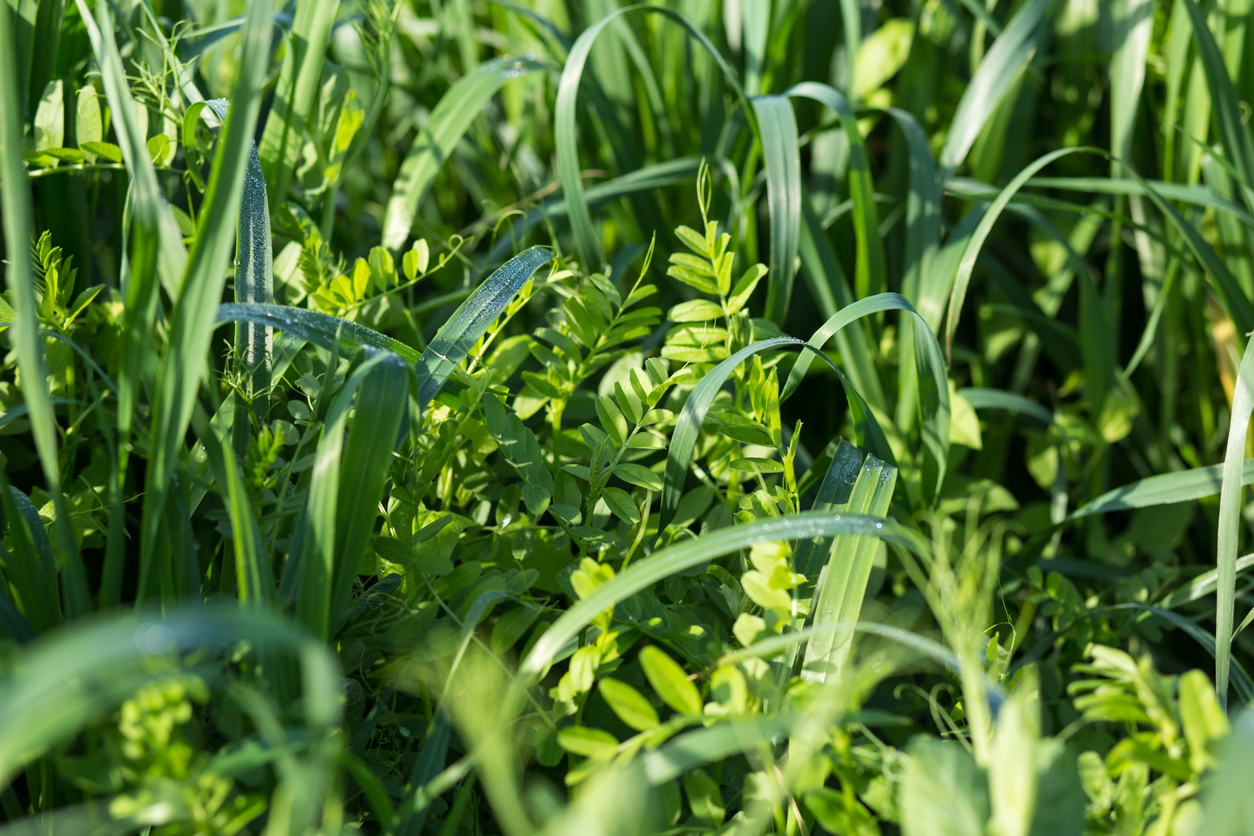
While most farmers have purchased their corn and soybeans, they may not have purchased cover crop seed grown after wheat harvest. Now is the time to start making decisions on buying seed, because cover crop seed supplies are in short supply. The most common question I get on cover crops is: What is the best cover crop? It depends on what you want to accomplish. My favorite cover crop after wheat is Sorghum Sudan (SS) grass. Why? Because SS grass reduces soil compaction and improves soil structure, it adds carbon or soil organic matter (SOM), and it is a supplemental forage crop for beef, dairy, and sheep. Livestock eat it like candy! On our heavy clay soils (Paulding, Toledo, Hoytville) in Putnam County, SS grass has the ability to increase water infiltration, reduce water runoff and decrease ponding water. In the last 50 to 100 years, we have lost almost 60% of our soil organic matter, so by growing another crop, farmers can greatly increase their SOM levels. After wheat harvest is a ...
Cereal Rye as a Feed

Image
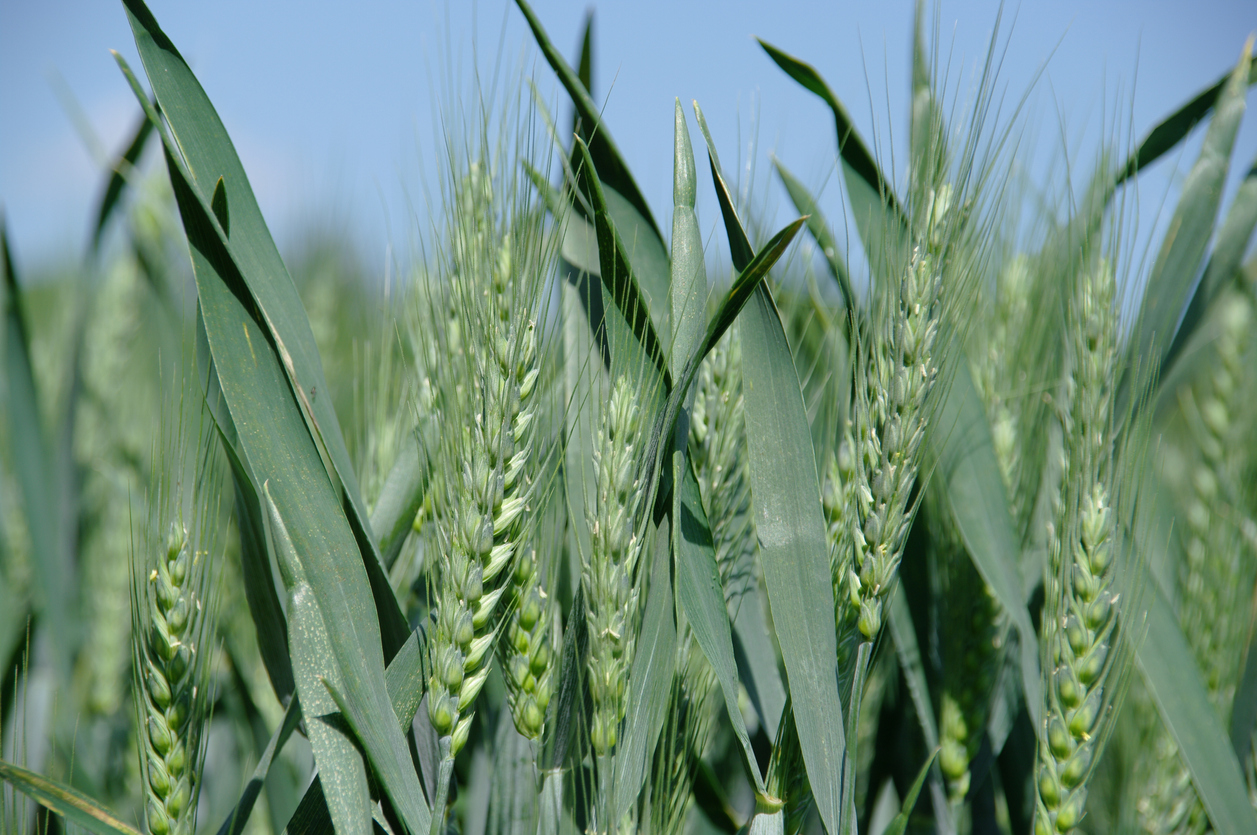
The following article was written by Eric Richer, Fulton County Extension Educator. In recent years, rye (Secale cereale L.), also known as cereal rye or winter rye, has been planted by producers as an entry level or “user friendly” cover crop. As a cover crop, it is a great nutrient recycler, soil builder, topsoil loosener, and erosion preventer. For dairy and beef producers, rye can also be considered for additional grazing or forage value. Based on surveys from several Northwest Ohio producers who have used rye as a spring feed source, it can provide additional feed tonnage on idle acres in a corn-soybeans rotation and with minimal effort or expense. According to the Ohio Agronomy Guide, rye is most winter hardy and earliest maturing cereal grain grown in Ohio. While spring rye-lage will not have the same feed value as corn silage, producers can evaluate its cost per pound of gain to see if it may fit in their total mixed ration (TMR) feeding systems. Based on feed analyses from fiv...

Palmer Amaranth

Image
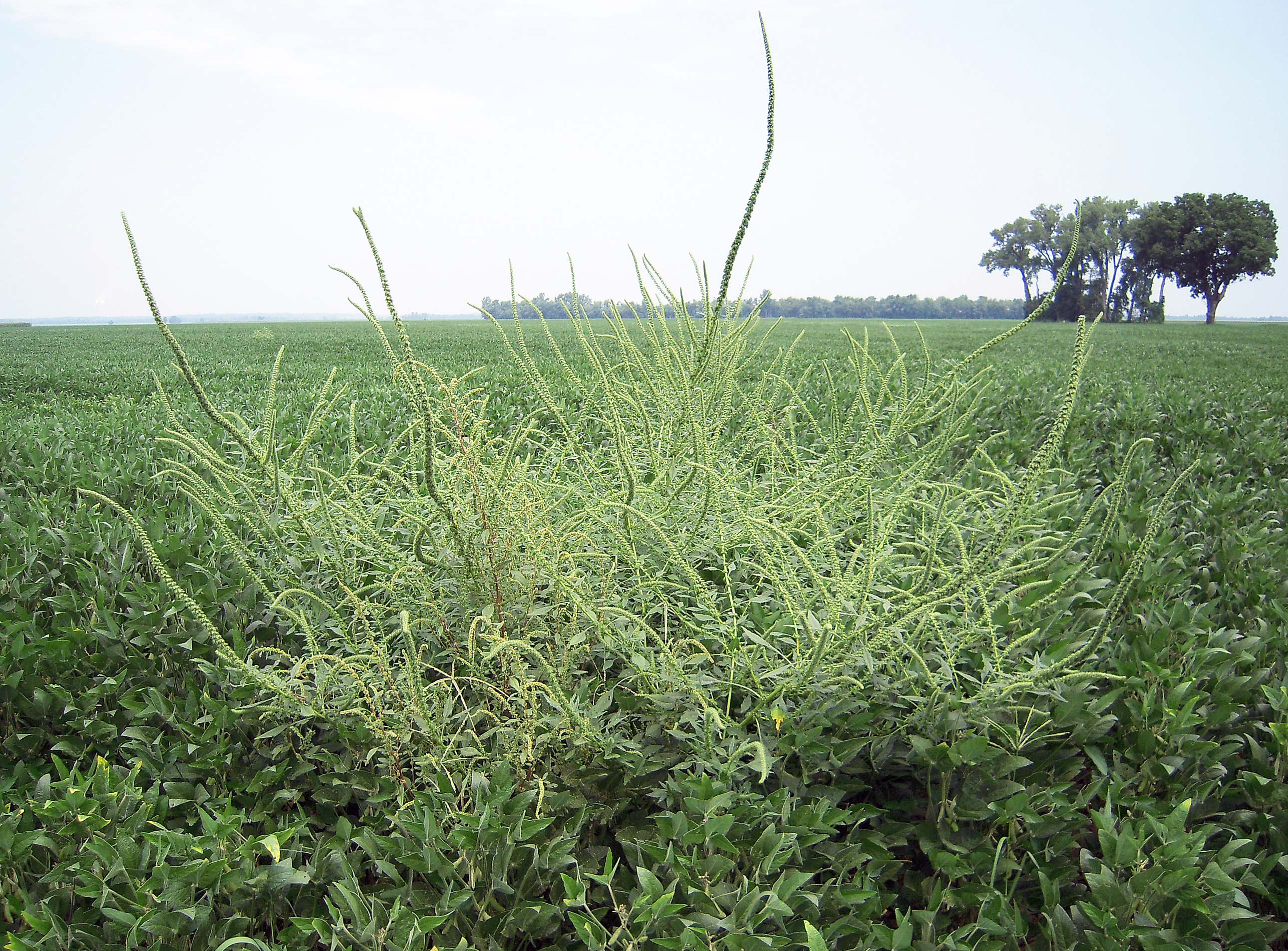
  A new noxious weed has emerged in Ohio called Palmer amaranth. Palmer amaranth looks like many pigweed species and can reach a height of 6-8 feet tall and is extremely competitive and aggressive. Sprague, 2011 at Michigan State reports: Palmer amaranth has a rapid growth rate (up to 2.5 inches per day), high drought tolerance, and high seed production (40,000 seeds per plant), has the ability to cross pollinate with other pigweed species and it has developed herbicide resistance (roundup and/or ALS). Palmer amaranth has smooth stems and leaves with no hairs that help to distinguish it from redroot pigweed, smooth pigweed, and Powell amaranth. OSU Weed Scientist Dr. Mark Loux (CORN Newsletter) writes: The epicenter for new Palmer amaranth infestations is in an area southwest of Columbus, bordered roughly by Midway on the north and Washington CH on the south. There is a dairy in the area that has been using cottonseed products for protein feed from the south, so try to avoid import...

Fall Planted Cover Crops

Image
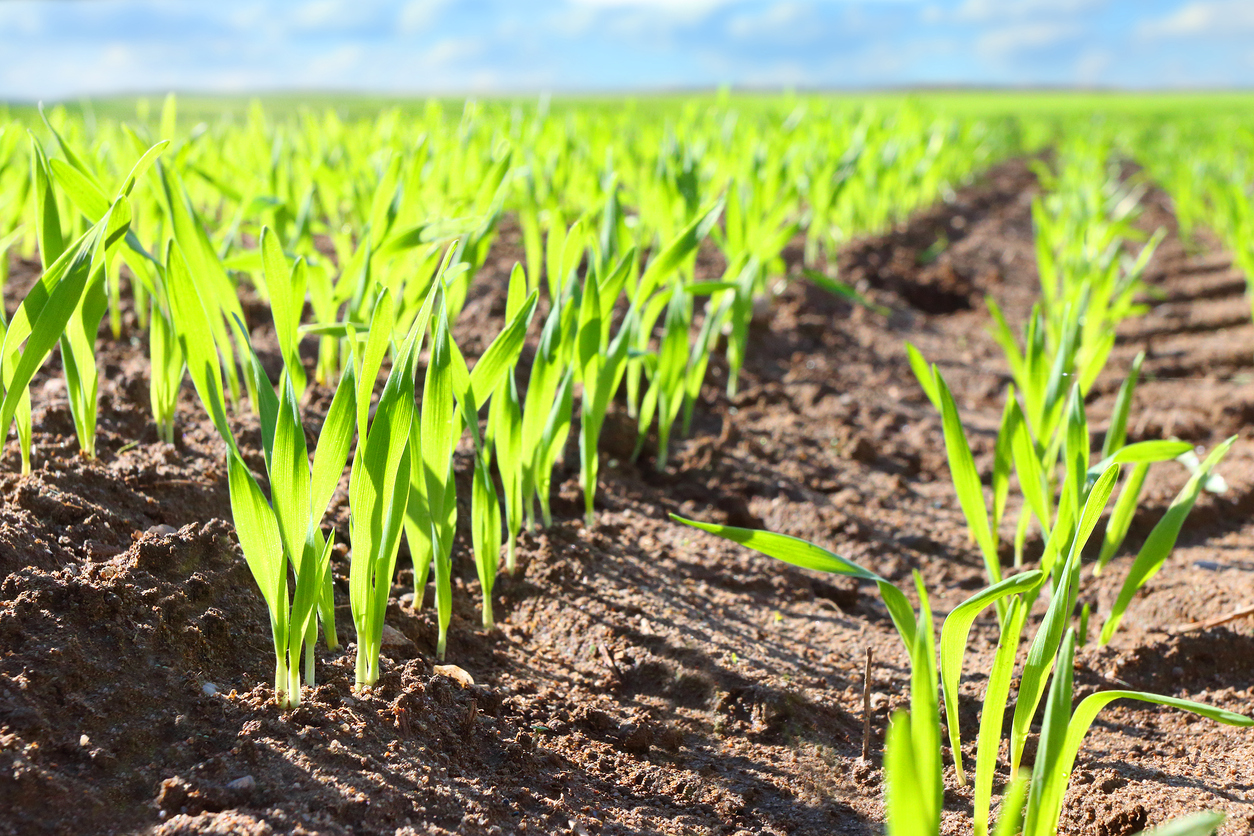
August is a great month to plant fall cover crops, especially after wheat harvest. There are three major types of cover crops: Grasses, Brassicas, and Legumes. Grasses (oats, cereal rye) have a fibrous root system and absorb soil nitrogen (N) and phosphorus (P) while adding soil organic matter. Brassicas (oilseed radish, rape/canola) suppress weeds and insects and reduce soil compaction and add active organic matter. Legumes (crimson clover, winter peas) are nitrogen fixers that add soil nitrogen. Oats are easy fall crop to grow and may also be a source of forage. As a cover crop, drill 1 bushel or 30 to 60 pounds about 0.5 to 1.5 inches deep in the soil. If you are broadcasting seed, increase the seeding rate 10% (works well before a rain). Good seed to soil contact increases growth. Add 40 -50# N which may be in the form of manure, fertilizer, or as a legume companion crop to increase growth by 50% or more. If forage is desired, drill 2 bu,/A and add fertilizer or manure to get 1-3 t...