Posts

Showing posts with the label soybean

Improving Corn and Soybean Yields
Image
Beck’s Hybrids conducts annually extensive corn and soybean research to improve crop yields. They recently released a 256-page book on their recent results. Research is conducted throughout the USA, Midwest, and Ohio.  Over 2 decades, the yield penalty for late corn planting is less than on soybeans. The most important thing on corn is getting it planted at a consistent depth, spacing, population, and under the right conditions more so than actual planting date. In no-till, having good closing wheels to close the slot is essential. Optimal seed to soil contact is critical for uniform emergence and the yield benefit was 2.7 to 5%. Spiked wheels help crumble soil when conditions are not perfect.  Becks did significant corn nitrogen (N) research. Putting N fertilizer on both sides of the seed allowed more uniform root distribution and yielded an average of 7 bushels more corn. The highest average corn yield of 225 bushel per acre over 4 years was 60# N applied on both sides of th...

Soybean Murder Mystery

Image
  Solving murder mysteries is a popular game but when it affects your crops, it is serious business! Soybean yields have been stagnating for years. Some farmers get great yields (70-90 bushel/acre), but many farmers average 50-65 bushel/acre. Soybean yields may be 20-30 bushel below optimum, even with good genetics. With depressed crop prices, good soybean yields are essential to making a profit and staying in business. The Allen County SWCD (Decatur, Indiana) held a field day two weeks ago. A local farmer (Nate) approached me after I gave a presentation on how a lack of plant available nutrients increases crop disease. Nate, a trained agronomist, says he noticed a “soybean mystery disease” starting in 2014. It occurs around August 1-10th almost every year but is worse some years. Symptoms: Usually, low areas or compacted areas show up first but also hill tops. It starts on lower leaves which turn pale, yellow, then brown and fall off. Usually, bean pods start aborting from the bot...

Corn & Soybean Replant

Image
  Most farmers have finished planting for the first time but may be looking to replant. Replanting corn can be a difficult decision. Young plants can recover especially if the damage is above ground. However, below ground damage from insects, disease, compaction, saturated soils, or fertilizer injury are more difficult for corn to recover. With the cold nights lately and cloudy days, sometimes sunshine and warmer temperatures allow your crops to recover, making that decision easier to make. First, determine how widespread the damage is and how healthy the plants are that are remaining on the whole field. Aerial Drones can help cover a large area but you still need to inspect the remaining plants to determine their health.  Dr Robert Nielson, Purdue University offers these suggestions on corn replant decisions. Most modern corn varieties are fairly tolerant of both low and high populations. Based on 10 years research, populations ranged from 23,500 to 40,000 seeds per acre. Bas...

Crop Nutrient Status

Image
  A mixed bag is occurring this year. Some farmers have col, dry soil while others are getting too much rain. Variable weather conditions mean there are a variety of nutrient problems. The most common complaint seems to be slow growing soybeans. Soybeans planted into heavy cereal rye combined with cold nights is resulting in slower soybean growth, especially if it is dry (slow nutrient release). As summer progresses, temperatures should warm up the soybeans should catch up. Rye residue conserves moisture and keeps the soil in a more ideal range for optimal plant and microbial growth later in the season when temperature get hotter, high 80’s and 90’s. There are several nutrient issues farmers can scout for this year. On corn and soybeans, Boron (B) and Calcium (Ca) deficiency symptoms are noticeable. On corn, look for parallel lines or just slight zipper effects on the outside of the leaf to identify B deficiency. Boron is needed to get calcium into the plant. After nitrogen and pot...

Controlling Common Pests

Image
  This year a common question is how to control common insect pests of crops and vegetables, a task that is becoming more difficult. Farmers who use seed treatments and broad-spectrum insecticides to terminate pests generally also terminate the beneficial natural predators. Some common Ohio corn and soybeans pests include soybean cysts nematodes, stink bug, wireworm, seed corn maggot, black cutworm, and true armyworm. Soybean Cyst Nematode (SCN) damage soybean roots and has six life stages, 3-4 weeks apart. Soybean damage looks like stunted yellow soybeans, generally in circular or oval areas where SCN egg populations are high. There are numerous predators to SCN including Endo parasitic fungi, predatory nematodes, mites, Collembola (jumping springtails), Enchytraeids (pot worms), rove beetles, and centipedes. Cover crops like cereal rye and annual ryegrass planted early in the fall when soil temperatures are above 500F may reduce SCN levels 60-80%. The invasive brown marmorated st...

Does Inoculation Pay?

Image
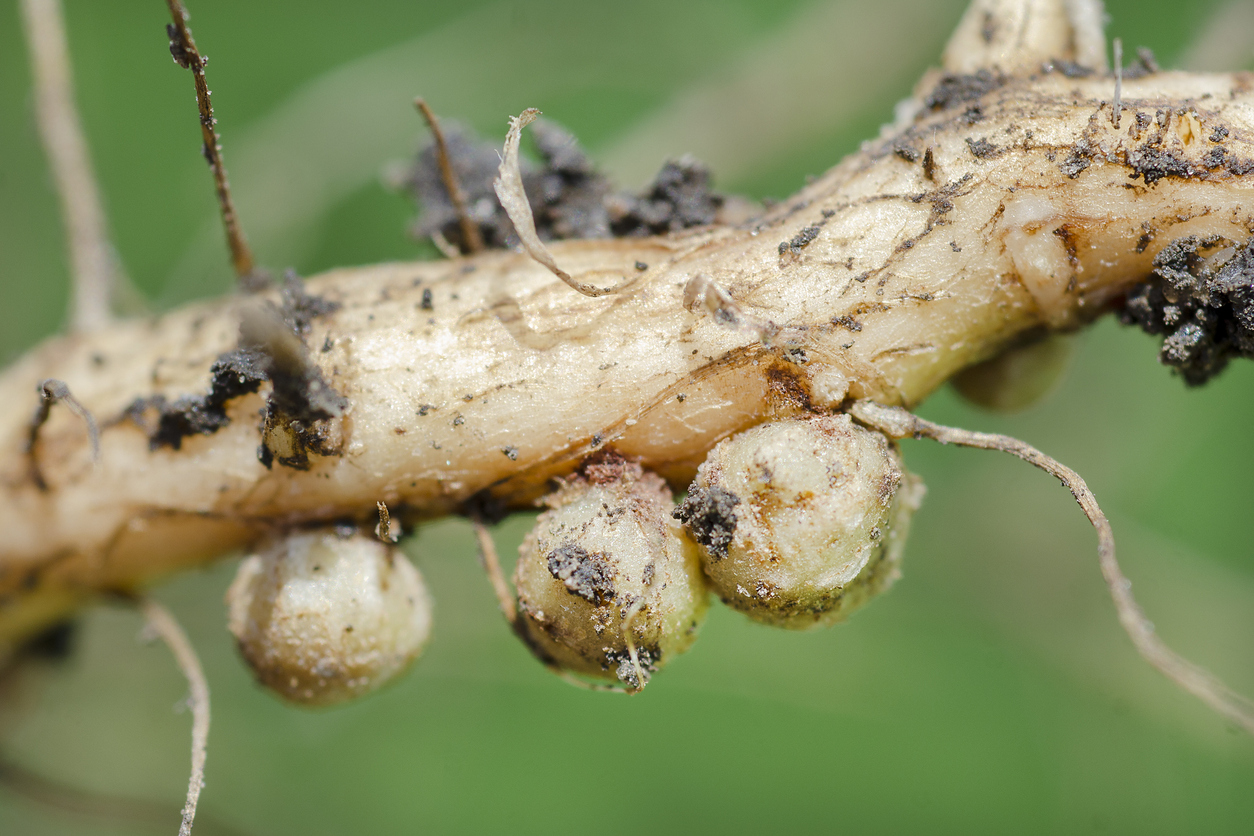
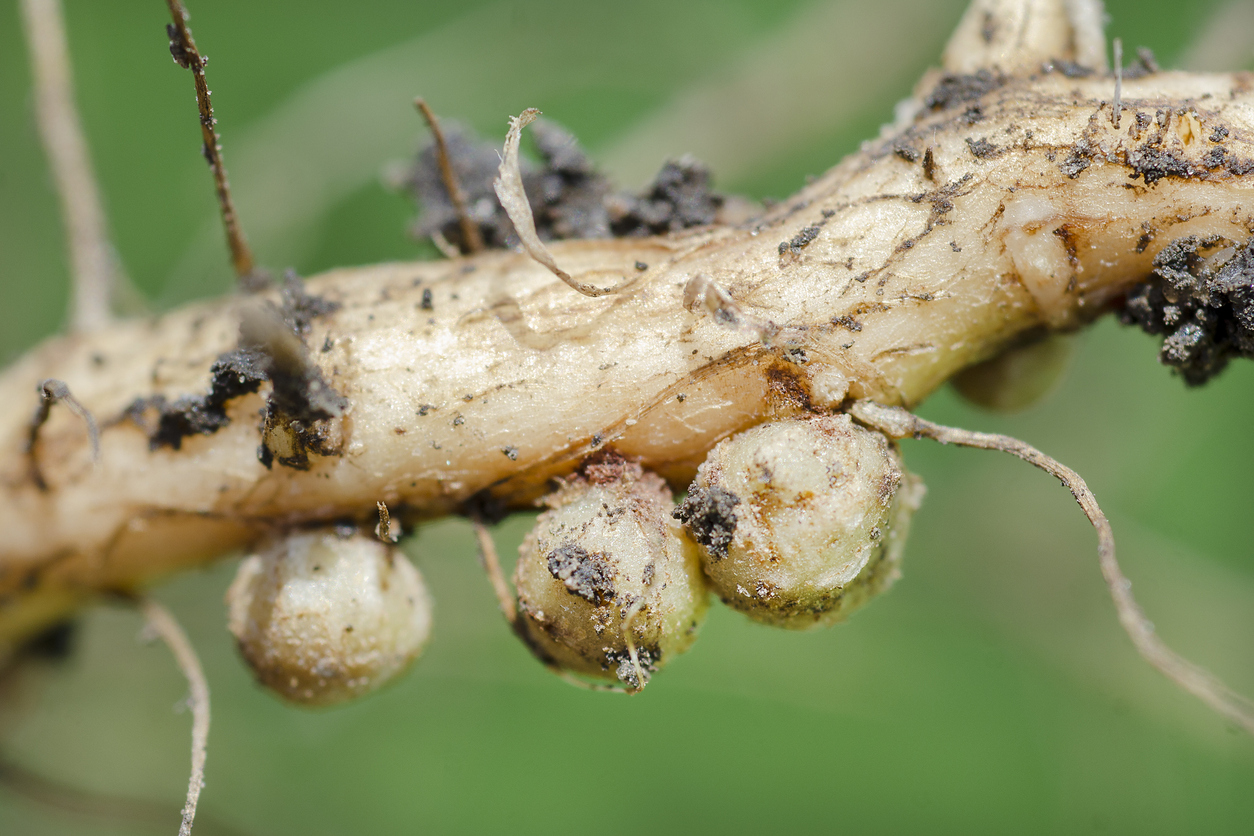
Most farmers have stopped inoculating soybeans but with todays prices, is it worth considering? In most cases, if soybeans have been grown in the last 3-5 years, the soil contains rhizobia (Bradyrhizobium japonicum) bacteria which fix atmospheric nitrogen in their root nodules to produce soybean seed. Although these soils have rhizobia, do you have enough and does it pay to inoculate every year. Dr. Jim Beuerline’s Ohio research (2004) showed farmers gain 1.94 soybean bushels per acre when they inoculated their crops every year. Since inoculant costs $5 to $7 per acre, at $14 per soybean bushel, that’s a return of 4X-6X your investments. For some farms the yield increase is 2-6 bushel ($28-$84)/acre or a return of 4X-16X. In most cases, inoculating soybeans is an investment that is at least worth considering! Here are some cases where it really pays. First, if your soil has been flooded or have standing water for more than 1 week, inoculation can pay off. On the other hand, if you inoc...

Increasing Soybean Yields

Image
There are an estimated 275,000 different plant species on earth. Each contain thousands of unique chemical compounds, however, each individual plant with its own unique genetic can also produce their own unique variations to these compounds. A plant with one thousand plant chemicals can literally combine them a million different ways. When you add diversity to a plant and soil microbial community, you can get significant changes to both the soil and the plant response with only minute changes. The changes can be dramatic. Many companies are now experimenting with using biologicals (microbes, plant extracts, etc) to stimulate plant growth and yield. At the National No-till on the Plains conference, Wichita Kansas, a researcher (Chris Teachout) described a process he was investigating to promote higher soybean yields. Chris was using a liquid compost worm extract that he applied directly to the soybean seed. This extract is extremely high in beneficial bacteria and some plant nutrients. ...

Roots eat Bacteria

Image
  Do plant roots really eat bacteria? The answer is Yes (sort of!). In the last 5-10 years, our understanding of how plants acquire nutrients has changed dramatically. With new stronger microscopes; Australian scientist and Dr. James White, Rutgers university have discovered that plant roots are taking in endophytic (translation: “within the plant”) bacteria and acquiring nutrients from these microbes. One study estimates that 47% of the atmospheric nitrogen (N) and perhaps as much as 70% of the plants N might be acquired from bacteria absorbed and living between plant cells and within plant cells. This newly discovered processed is called rhizophagy. We should not be too surprised. Farmers inoculate legumes (soybeans, peas) with Rhizobium bacteria which reside in plant nodules and fix N . Arbuscular Mycorrhizal Fungi (AMF) also enter roots and live between plant cells. AMF are like root extenders, bringing back water and soil nutrients in exchange for plant sugar. Endophytic bacte...

Soybean Pests

Image
  Many pests and diseases are rearing their ugly head this year. Fall armyworm, aphids, soybean cyst nematodes (SCN), sudden death syndrome (SDS), and white mold are common problems. Weather and management play a key role in the severity of these pests. Fall armyworm blow in from the south, most likely on tropical storms. Each female moth lays 10-20 eggs up t 100 eggs which hatch in 5-7 days and live 7-21 days. Eggs have been observed on fence posts, lawns, hayfields, corn, soybeans, and vegetable crops. The eggs hatch and the hungry larvae or caterpillars tend to move in waves, consuming everything in sight, even sometimes their own kind. There are two natural predator wasps that help control fall armyworm. Other options include bacillus thuringiensis (Bt) which is a natural control, neem oil, and pyrethrin insecticides. Aphids in soybeans are a problem especially during the reproductive stage (R5-R6) with an aphid threshold of 250 per soybean plant. Check 5 plants in 10 locations...

Double Crop Soybeans or Cover Crops

Image
Approaching mid-July, some farmers are still debating whether to plant soybeans after wheat harvest. Double crop soybeans are risky but high soybean prices, early summer planting and good weather favor farmers taking the risk. As summer progresses, the risk of failure increases on double crop soybeans. Cover crops are often planted from June to October with good results depending upon the species and weather. Planting cover crops after mid-July becomes a much safer proposition. Let’s start with looking at our current crops. For the most part, corn looks great this year while soybeans are average at best, depending upon the field. Corn was planted when the soil was dry and then it started to rain and soybeans where planted. Soybeans suffered from seed corn maggot and/or wire worms, and then if the soil was vertically tilled, standing water and pathogens (fusarium, phytophthora, etc) began a problem. In some fields, soybean struggled with slow growth due to small puckered and/or cupped l...

Controlling Corn and Soybean Pests

Image
Controlling pests of corn and soybeans can be difficult. Most farmers rely on seed treatments and broad-spectrum insecticides which terminate the pests but also takes out the beneficial natural predators. The most common Ohio pests in corn and soybeans fields with cover crops are wireworm, seed corn maggot, black cutworm, true armyworm, slugs, and grubs. Wireworms have a five-year life cycle with adults (called click beetles) laying 100-200 eggs in the spring and early summer. Larva live in the soil until they mature into adults. Wireworms are a copper color, long, and slender. Wireworms damage corn and soybean seeds and cause seedling roots damage. Wireworms have many natural predators including centipedes, soldier beetles, wasp which infect their eggs, and parasitic nematodes. Metarhizium fungi are a great wireworm predator; infecting the eggs, larva, and pupae and may give up to 95% control. Metarhizium fungi infect up to 200 insect species in 50 families including root weevils, fli...

Corn and Soybean Cover Crop Management

Image
As fall harvest progresses, farmers are looking ahead to next year’s crop. Corn and soybean farmers utilizing no-till and/or cover crops may need to make different management decisions than conventional tillage farmers. Enclosed are tips for managing cover crops and making fertilizer adjustments. Legumes and clover cover crops are usually planted before corn because they make nitrogen (N). Legumes and clovers maximize N production (85-90%) at blooming, so terminate these cover crops before they set seed and the N is ties up. Most organic N is in the leaves and becomes available to the next crop 2-5 weeks after they decompose. Most no-till farmers add 40-60# N in a corn starter to stimulate early corn growth, when soil microbial communities are lower and recovering after a cold winter. Microbial populations increase exponentially with moisture and warmer soils in late spring and early summer, recycling soil nutrients to the next crop. Long-term N studies show that 20-50% of corn N comes...

Cereal Rye in Soybeans and Corn

Image
Many farmers have had difficulty getting crops planted due to cold, wet soils.. Farmers who planted cover crops are also struggling to figure out how and when to plant to maximize the grain crop yield. Often this involves getting the cover crop killed at the right time. When it is cold and wet, often the best strategy is to let the cover crop grow so it can dry out the soil. Farmers often have waited too long to plant the cover crop field because they think it is too wet, but generally, cover crops use evapotranspiration to remove water from the soil and the soil is actually drier 5-7 days earlier than conventional fields. That is a big advantage for using the cover crop. Planting 5-7 days earlier generally results in 5-7 bushels of more soybeans. However, if farmers wait too long, the soil gets too dry and hard, and then farmers may lose 5-7 bushels of soybeans. I really like to see soybeans coming up before killing the cereal rye unless the soil is getting too dry. Farmers have diffi...