Posts

Showing posts with the label slugs

Cereal Rye and Slugs

Image
It’s a typical Ohio spring. Sporadic rains, followed by a few days of sunshine, then more drizzle. Farmers are trying to get crops planted, but progress varies. Under these conditions, cereal rye is growing fast which can help dry out soils but tends to shade newly planted crops. Second, with a warm winter and fairly warm spring with rain, slugs and voles (field mice) are flourishing. Weeds are also growing because it is too wet to spray all the fields. Here are some tips to deal with these problems.  Cover crops, especially cereal rye, outcompete many troublesome weeds but the cover crop needs to be terminated. Most farmers will kill the cover crop with herbicides but crimper crop rollers can terminate naturally and if the crop is tall, get it on the ground. Once it is on the ground, it will hold moisture and keep soil temperatures cooler going into summer. Cereal rye is a natural fit for soybeans but is more difficult to manage with corn. Soybeans thrive on the nutr...
Nutrient Deficiencie and Slug Issues

Image
Summer has officially arrived and nutrient deficiencies and pests are now a problem. Healthy plants have less problems with disease and insects, so optimum plant nutrition is important for keeping pests at bay and optimizing crop yields. Several nutrients may be part of the problem. Nitrogen is a corn macro-nutrient that farmers apply pre-plant, with corn starter fertilizer, or side-dress applications. Nitrogen fertilizer can easily be lost depending on how much rain has occurred and whether inhibitors were used. Nitrogen deficient corn is often seen in low areas or flooded fields. Sulphur deficiency on corn leaves is becoming more common, seen as yellow striping with green veins and spindly plants. Sulfur is the fourth most important nutrient needed by plants and is used in protein synthesis and to produce chlorophyll for photosynthesis. Soybeans need sulfur for nodule formation and wheat to improve grain quality. Most soil tests increasingly show that soil sulfur is lacking now due t...

Controlling Slugs

Image
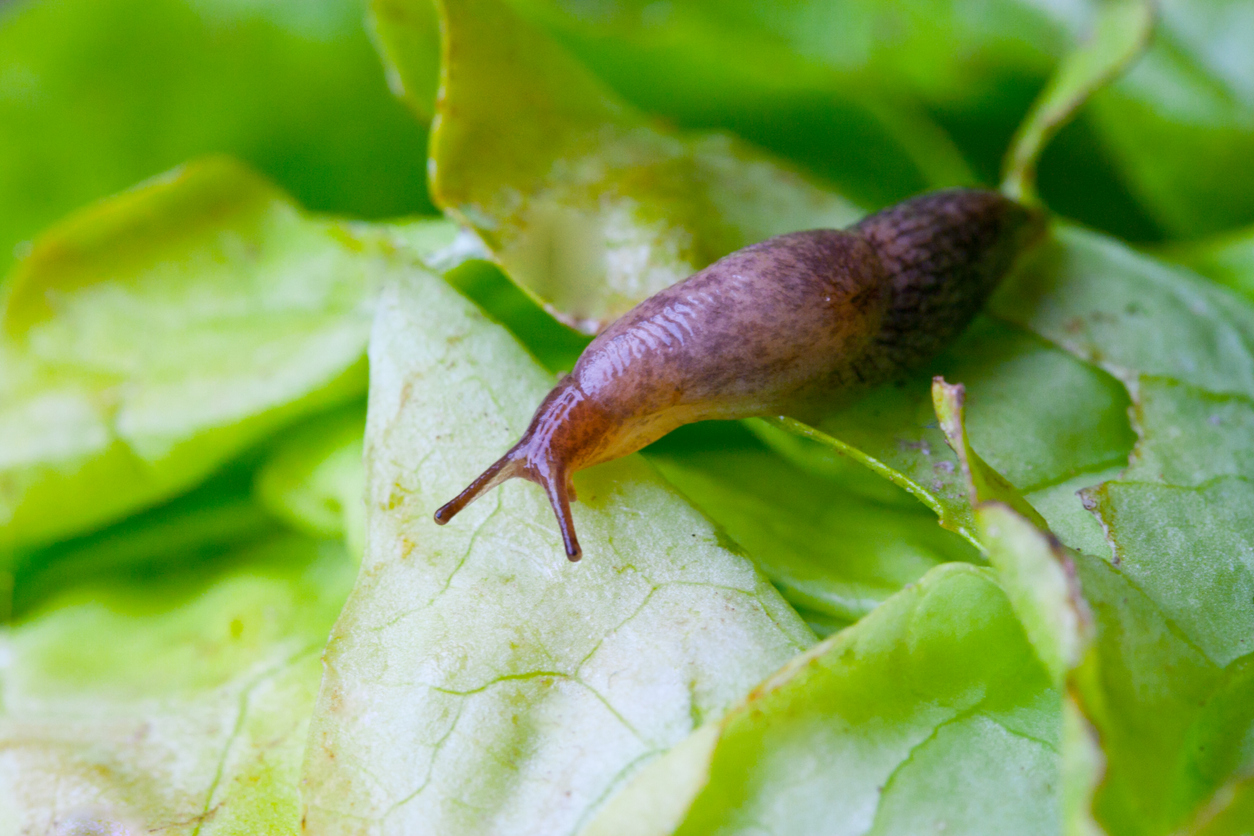
Slugs and voles (field mice) population increase during mild winters and flourish during wet springs, especially in no-till or cover crop fields. Scouting shows that slug populations are increasing and may be an issue this year. Slug control depends upon understanding slug biology, scouting, natural predators, and effective cultural practices. Biology: There are over 80,000 slug species, but the main pest is the Gray Garden Slug which lays over 500 eggs in the Spring and Fall. Offspring from one gray garden slug could produce over 90,000 grand-children and 27 million descendants, so slug populations can explode quickly. Slugs mature in 5-6 months and may live 6-18 months with juveniles causing most crop damage, eating 2.5X their body weight daily. Slugs can survive without food for several months during hot summers, with most crop damage in the spring or fall. Slugs are dependent upon moisture, cool conditions, and lush vegetation for food and shelter. Crops usually outgrow most slug ...