Posts

Using Electricity to Assess Soil Health

Image
A new break-through in soil health testing has occurred which may allow researchers and farmers to instantly measure soil health and microbial activity. A group of Washington State University researchers are using small electrical currents to assess soil microbes and soil health impacts. Soil microbes process 90% of the soil’s energy and nutrients. Each microbe is like a soluble bag of fertilizer, supplying plant roots with nutrients, amino acids, proteins, and even whole enzymes. Measuring soil health has been difficult. Soil scientist, fertility specialist, and farmers have used soil chemistry and harsh chemicals to make nutrient analysis. They also measure soil texture and pH to try to understand a soil’s chemical and physical properties. While chemical and physical measurements may be valuable, they do not always measure soil productivity directly. Soil biology is extremely important as well. Unfortunately, there has not been many good tests to measure both biological activity and ...
Fall Slug and Vole Control

Image
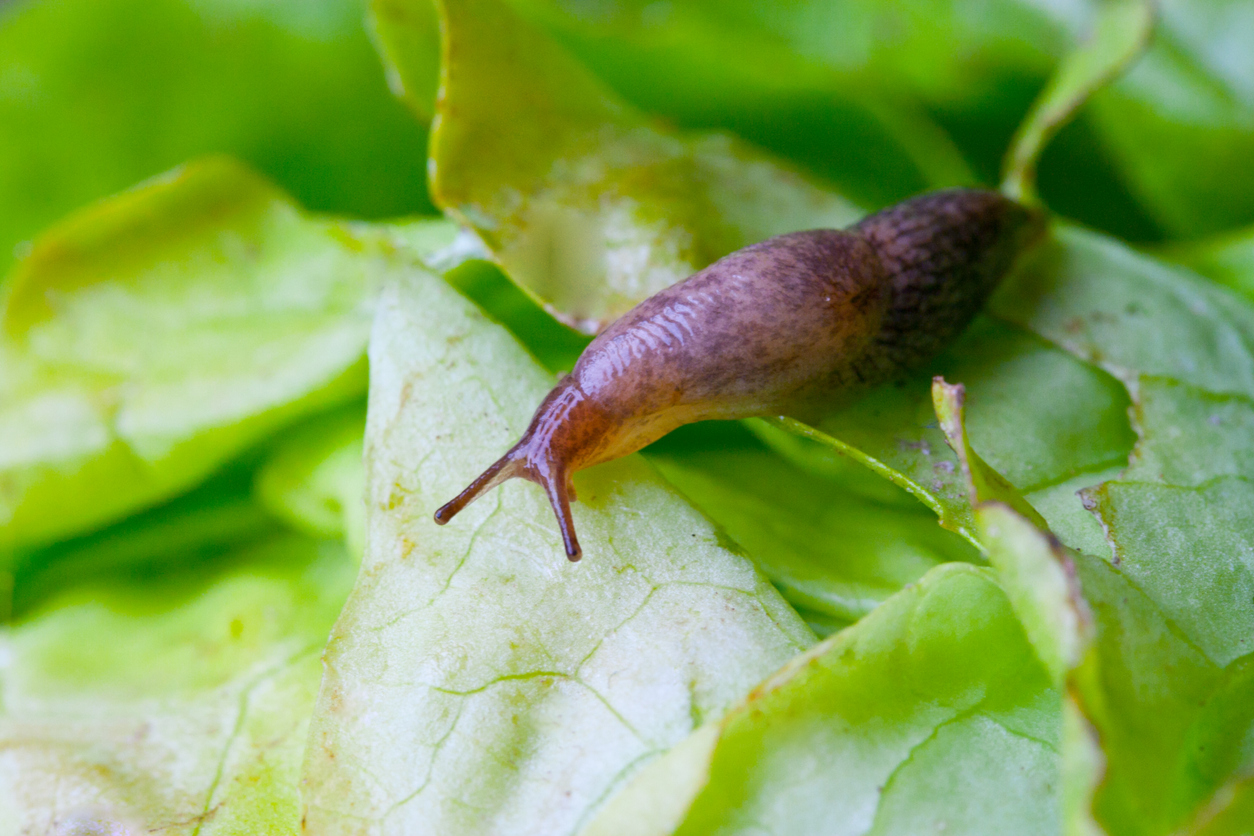
  Slugs and voles are becoming major problems on some farms. One farmer lost 80 acres to slugs, another 40 acres. Slugs and voles prefer moist, wet conditions, slow crop growth, and lush vegetation. Unfortunately, there is no one management practice that reduces either pest. It requires a coordinated attack which begins in the fall as grain crops are being harvested. Both slugs and voles have several weaknesses. First, their populations are cyclical, peaking and crashing about every 2-5 years. Extremely cold winter weather with little protection, greatly reduces both pests. Slugs burrow deep into the soil, but when the soil frost line meets the water table during a deep freeze, many slugs perish. Voles do not hibernate but need 40% more energy in the winter to survive. Cold weather without snow or heavy vegetation greatly reduces pest numbers. Mowing a cover crop down to 8 inches or planting species that 50% winter kill helps reduce pest populations. Mowing reduces cover (insulatio...

Overwintering Cover Crops & Small Grains

Image
  The H2O Ohio program is a state conservation program that pays farmers for conservation practices. It includes overwintering cover crops and a small grains program to help keep nutrients out of Lake Erie. Farmers are now signing up for these programs but may not know or remember all the details. Here is a summary of the key points for each program. The purpose of these two programs is to encourage the establishment of overwintering cover crops program or a small grain. The primary goals are to reduce sheet, rill, and wind erosion and improve water quality by reducing excess nutrient flows to surface water. Adding overwintering cover crops and small grains also increases crop and soil diversity to improve soil health. Some key points on the overwintering cover crop program: The overwintering cover crop must be established no later than October 15th. Some farmers may need to hire a plane, helicopter, or a highboy applicator to get the cover crops planted in time, depending on time ...

Understanding Genes and the Environment

Image
  Two new scientific articles help explain how DNA, which makes up our genes, and the environment work together to express those genes. It was thought that humans had over 3 million genes, but now estimate that it closer to 300,000 genes. Microbes which live in humans and in plants supply the majority of the genes that control many life functions. Scientist are finding that the genes humans and plants obtain from their parents or “heredity is nothing more than stored environment” according to Luther Burbank. Farmers can see this relationship when they plant the same seed in different fields with different soil types, and the crop expresses itself differently. This effect is compounded as multiple generations are grown in different environments. This same process expresses itself in the organisms we call ‘diseases’ or ‘pests.’ Sometimes a disease organism is not really a pest if it is in a healthy soil environment. The soil environment often determines which genes are expressed. For...