Posts

Practice Soil Health Tips

Image
  Since I am on the road teaching, here are some practical tips from my factsheet: “25 Tips to Growing and Managing Cover Crops”. Tip 1: Use cover crop mixtures composed of at least one grass, one legume, and one brassica or other diverse cover crop species to improve diversity. Mix summer annuals with fall and winter annuals to increase crop diversity. Tip 2: Select diverse species that maximize both sunlight and moisture interception. At least 50 percent of cover crop species should be low growing, another 30 percent intermediate, and 20 percent tall growing. Select cover crops that have a variety of taproots and fibrous root systems that incept moisture from different soil regions. The goal is to utilize 100% of available sunlight and moisture to minimize direct competition for nutrients and water. Tip 3: To determine initial seeding rate in cover crop mixtures, divide the full rate of seed needed for each cover crop in a monoculture and divide by the number of cover crop speci...
Late Season Corn Fertilizer

Image
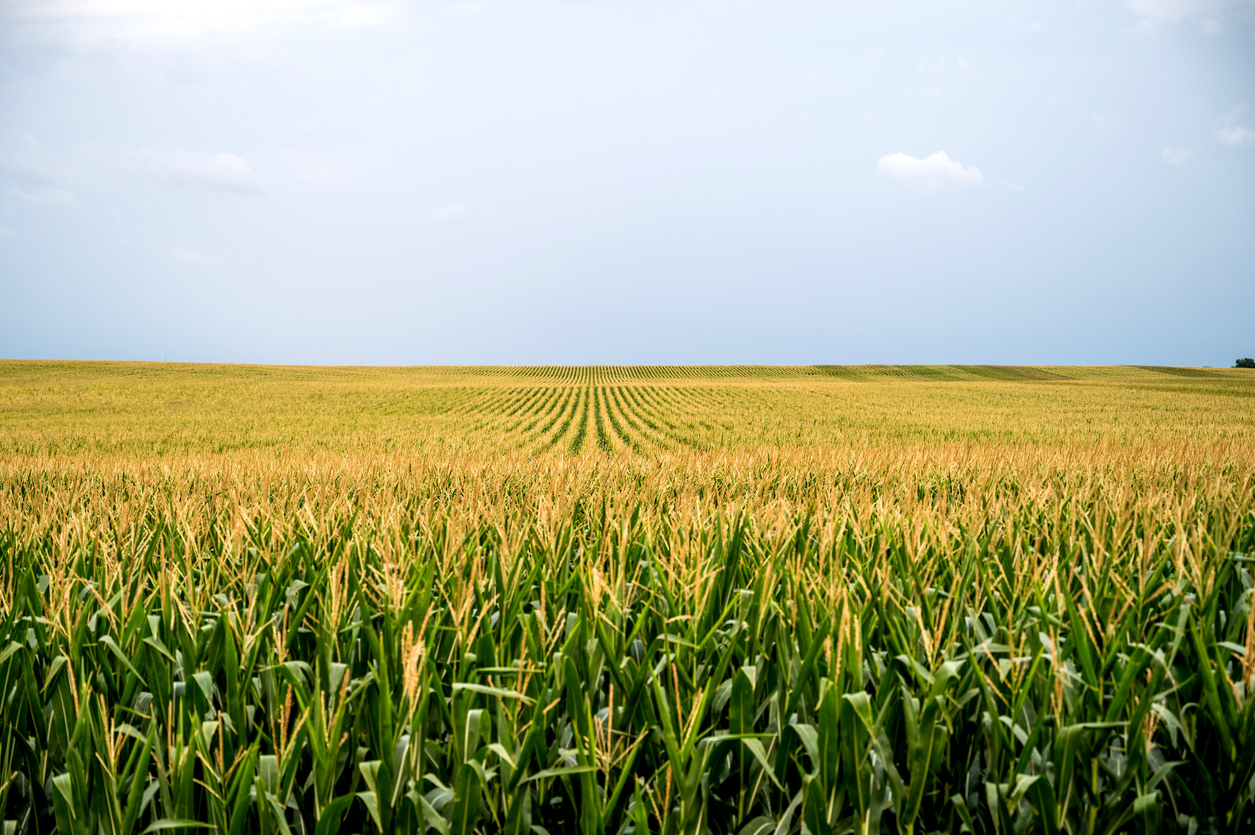
  Heavy rains have been falling in many areas in the month of July. This has many farmers wondering how much Nitrogen (N) is still available. Soluble N in the form of nitrate can be leached, some can runoff the surface, and other N can be lost by denitrification into the atmosphere. If corn is turning yellow, it can be nitrogen or sulfur (S) deficient or both. Many farmers are asking, is it too late to apply corn fertilizer? Late season corn N applications have proven to be successful, but often requires specialized high clearance fertilizer equipment. Often, fungicides and micro-nutrient blends are also put on late, so adding some N fertilizer is an option. University of Missouri and Ohio State University research shows that urea and dribbling on 28% UAN can be applied late season. With the recent rains, most fields should have adequate moisture for the N to used effectively. Some leaf burn may occur with broadcast urea, but yield damage is relatively slight. How late can N be app...

Post-Wheat Harvest Options

Image
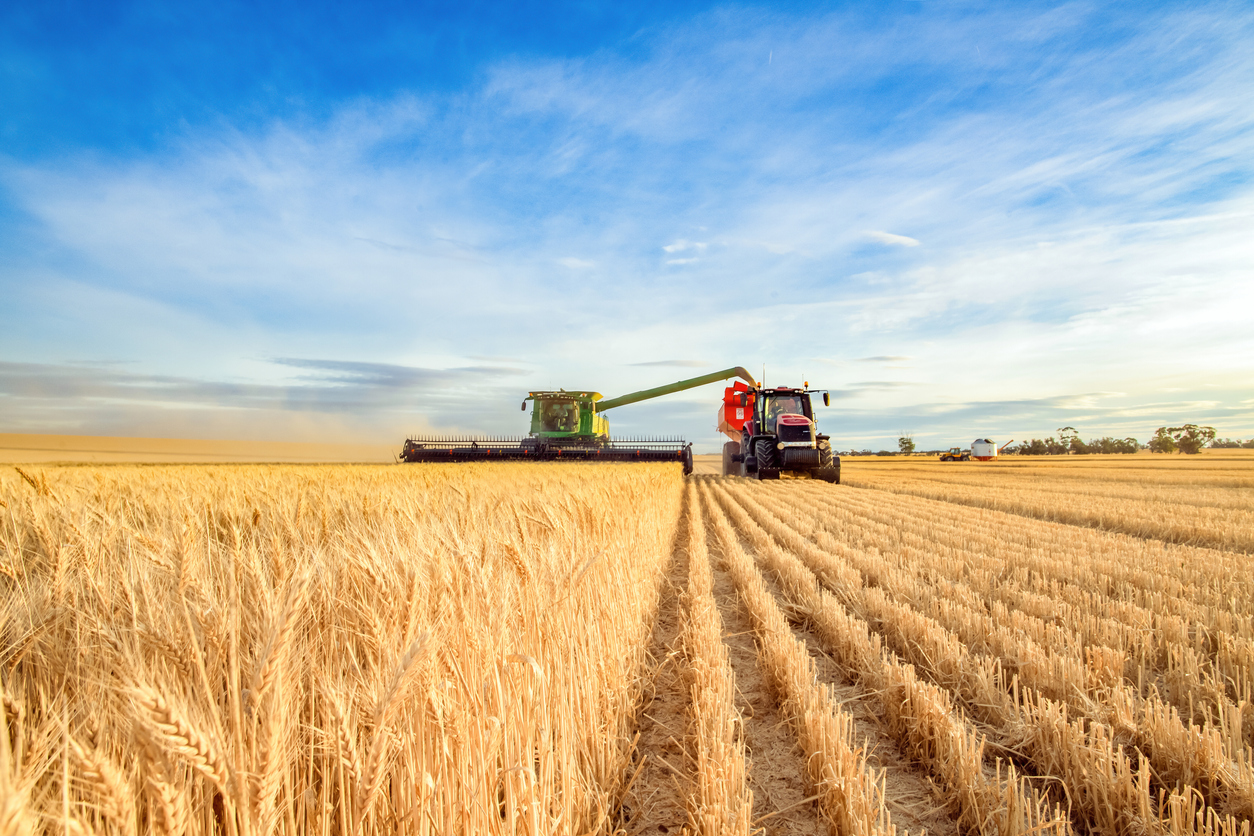
  Farmers are working to wrap up wheat harvest and considering what to do next. Some will decide to do nothing, others may consider planting another crop, either soybeans or a cover crop. Double crop soybeans do best when soil is moist and temperatures do not get too hot. Cover crops give a farmer a little more flexibility, especially when planted in mixtures. Research in North Dakota, shows that even with minimal moisture, cover crop mixtures can flourish. If cover crops are to be planted, there are several considerations. First, do you leave the straw and the biomass, or do you harvest it? While many farmers want to conserve their carbon, the high carbon to nitrogen (C:N) ratio of straw can reduce new cover crop plant growth. For soybeans, it does not seem to matter, since they make their own N. Harvesting straw can be an option for extra income, but the nutrients removed in straw need to be adequately compensated. Wheat straw has roughly about 9-12# N, about 1.5# actual phosphor...

Follar Feeding Tips

Image
  Corn and soybeans are entering a time of extreme stress due to hot temperatures and moisture stress. Most plant nutrients are absorbed through a plant's roots. However, sometimes nutrients can become locked up in the soil with other elements, making them unavailable to the plant. There are many factors that can contribute to nutrients becoming soil immobile. If the fertilizer solution pH is too high or too low, nutrient deficient, or excessive; some nutrients might not be plant absorbed. Poorly managed soils, low soil organic matter, low microbial activity, damaged root systems, excessive water or a lack of water can all lead to lowered rates of plant nutrient absorption. When a nutrient cannot be easily absorbed through the soil, foliar feeding may be a possible solution. The leaves, and sometimes even the stems, of many plants are equipped with tiny, pore-like structures called stomata, which means “mouth” in Greek. Stomata will open and close at certain times of the day. Stoma...