Posts

Soil Microbes Recycling Nutrients
Image
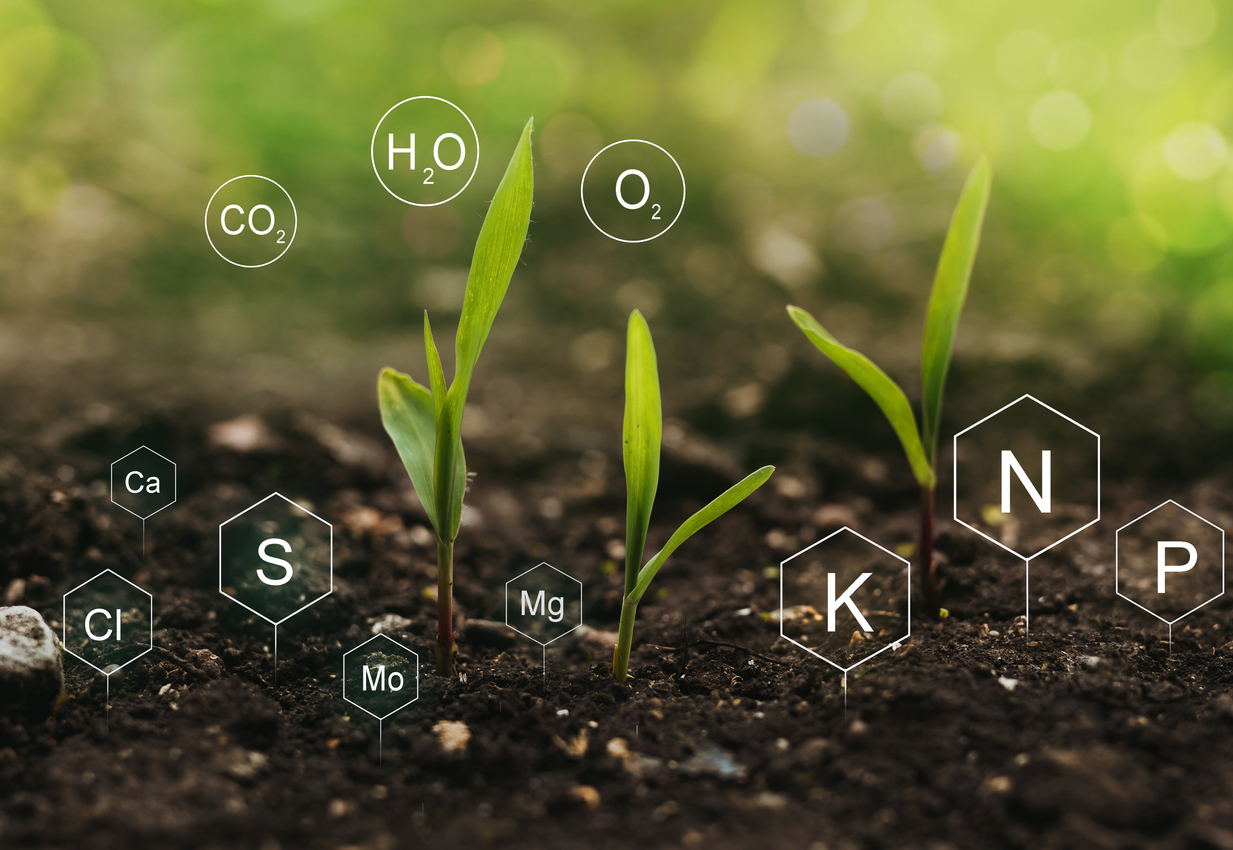
Jim Hoorman in a Sustainable Agriculture fact sheet discusses new information on how soil microbes recycle soil nutrients to plants. “Soil microorganisms exist in large numbers in the soil as long as there is a carbon source for energy. Bacteria, actinomycetes, and protozoa tolerate soil disturbance and dominate in tilled soils. Fungal and nematode populations tend to dominate no-till soils with live plants. There are more microbes in a teaspoon of soil than there are people on the earth. Microbes need regular supplies of soil organic matter (SOM) or carbon in the soil to survive. Long-term no-tilled soils or soil with continuous live plants have significantly higher levels of microbes, more active carbon (sugars), more SOM, and more stored carbon than conventional tilled soils. A majority of the microbes in the soil exist under starvation conditions and thus they tend to live in a dormant state, especially in tilled soils. Active roots supply 25-45% of their total root carbohydrates t...
Corn Micronutrients

Image
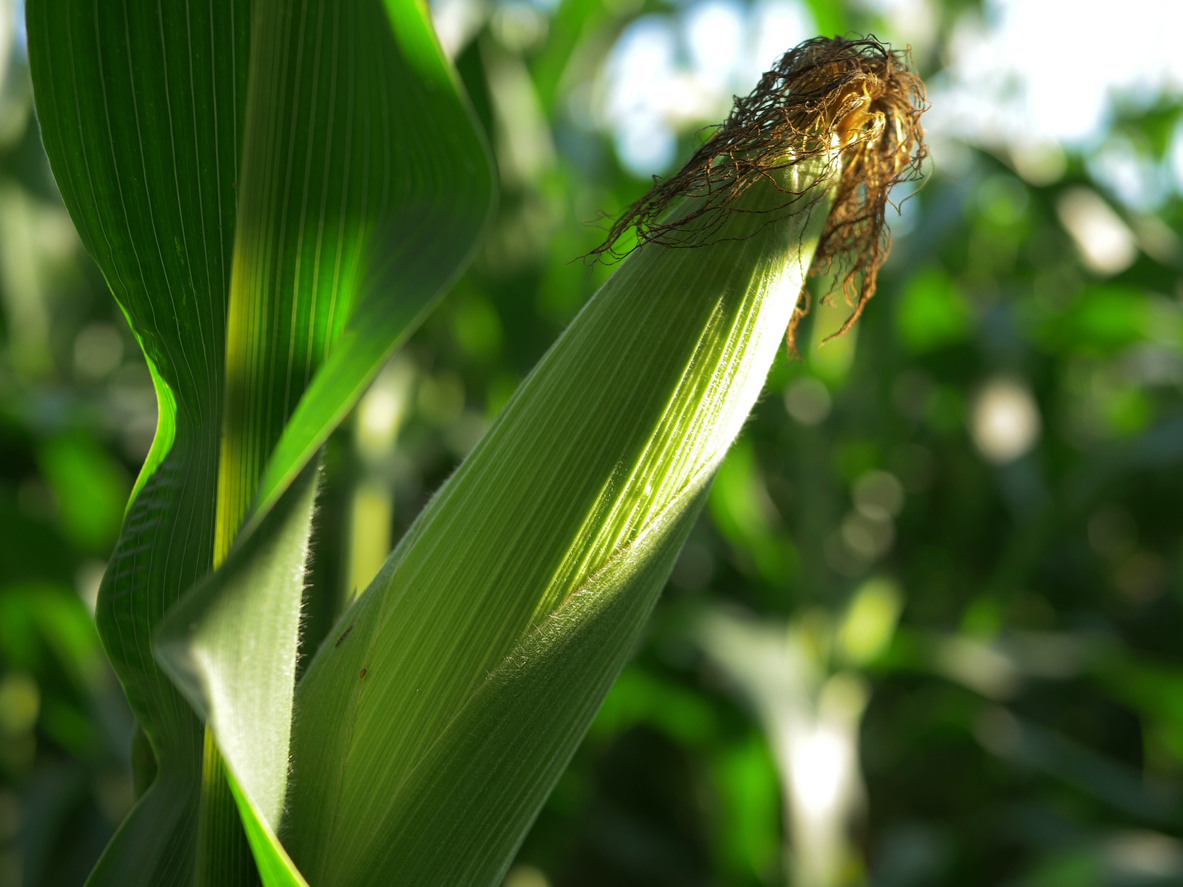
The following article was written by Ed Lentz and Steve Culman, our new Soil Fertility Extension specialist who replaced Dr. Robert Mullen. “Boron, chloride, copper, iron, manganese, molybdenum, nickel and zinc are called micronutrients or trace elements, needed only in extremely small amounts for crop production. Calcium, magnesium and sulfur are called secondary nutrients since the crop needs larger amounts for production compared to micronutrients but considerably less than the primary nutrients of nitrogen, phosphorus and potassium called macronutrients. Most Ohio soils have adequate amounts of micronutrients for corn production. They also generally have adequate secondary nutrients if proper pH has been maintained with lime and the soil is not sandy with low organic matter. Soil temperature and moisture are important factors. Cool, wet soils reduce the rate and amount of micronutrients that may be taken up by crops. As soil pH increases, the availability of micronutrients decrease...

Sorghum Sudan after Wheat Harvest

Image
While most farmers have purchased their corn and soybeans, they may not have purchased cover crop seed grown after wheat harvest. Now is the time to start making decisions on buying seed, because cover crop seed supplies are in short supply. The most common question I get on cover crops is: What is the best cover crop? It depends on what you want to accomplish. My favorite cover crop after wheat is Sorghum Sudan (SS) grass. Why? Because SS grass reduces soil compaction and improves soil structure, it adds carbon or soil organic matter (SOM), and it is a supplemental forage crop for beef, dairy, and sheep. Livestock eat it like candy! On our heavy clay soils (Paulding, Toledo, Hoytville) in Putnam County, SS grass has the ability to increase water infiltration, reduce water runoff and decrease ponding water. In the last 50 to 100 years, we have lost almost 60% of our soil organic matter, so by growing another crop, farmers can greatly increase their SOM levels. After wheat harvest is a ...

Cereal Rye as a Feed

Image
The following article was written by Eric Richer, Fulton County Extension Educator. In recent years, rye (Secale cereale L.), also known as cereal rye or winter rye, has been planted by producers as an entry level or “user friendly” cover crop. As a cover crop, it is a great nutrient recycler, soil builder, topsoil loosener, and erosion preventer. For dairy and beef producers, rye can also be considered for additional grazing or forage value. Based on surveys from several Northwest Ohio producers who have used rye as a spring feed source, it can provide additional feed tonnage on idle acres in a corn-soybeans rotation and with minimal effort or expense. According to the Ohio Agronomy Guide, rye is most winter hardy and earliest maturing cereal grain grown in Ohio. While spring rye-lage will not have the same feed value as corn silage, producers can evaluate its cost per pound of gain to see if it may fit in their total mixed ration (TMR) feeding systems. Based on feed analyses from fiv...