Posts

Showing posts with the label Fertilizer

Why High Fertilizer Prices?

Image
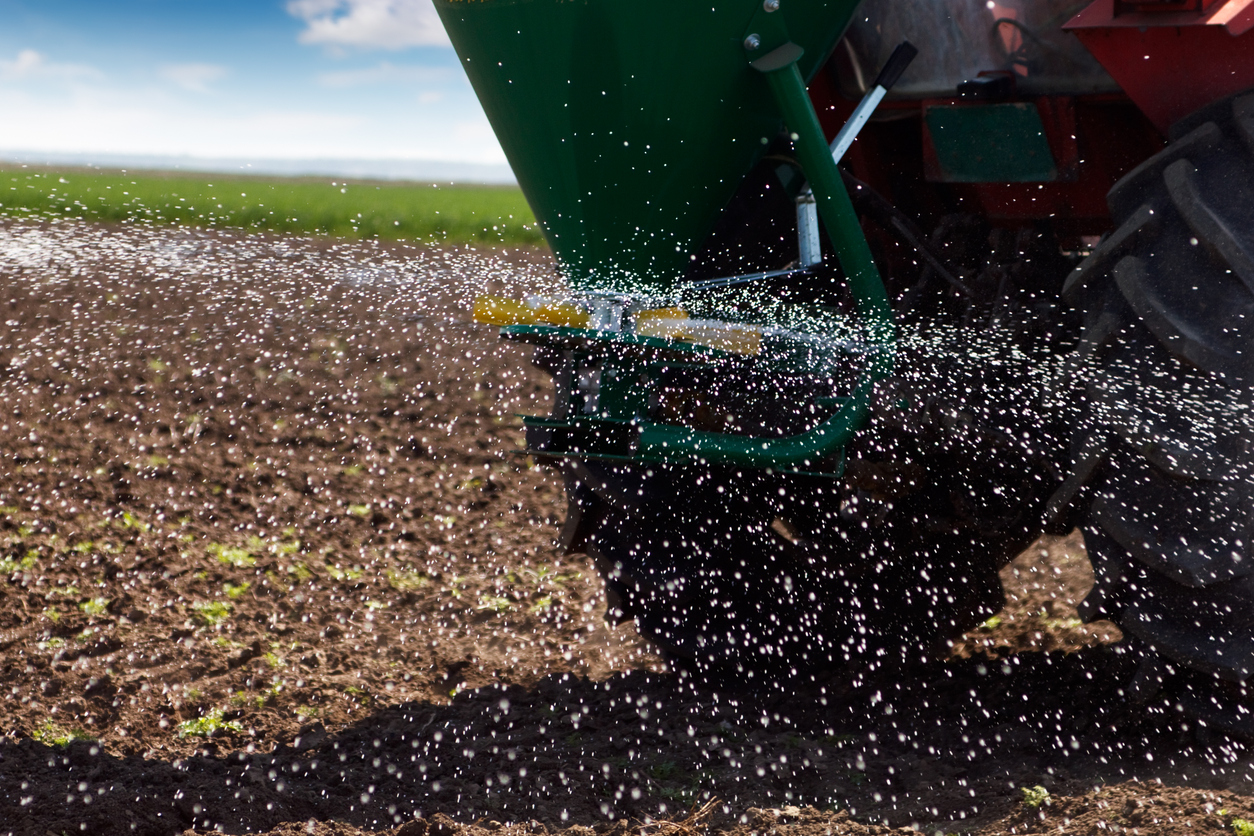
  After a late 2025 drought and lower crop prices, farmers are looking ahead to the 2026 crop year. High volatile fertilizer prices will be a major concern this next year. Currently, DAP retail price is $926 per metric ton up from $580 in January. DAP or diammonium phosphate is 18% nitrogen and 46% phosphate (18-46-0). The retail price for MAP (mono ammonium phosphate) is $921 per ton. Potash or potassium (60% potash or K, 0-0-60) prices are about 24% higher than last year at $483-485 per ton. Some global spot prices are $350-$360 per ton. Ammonia prices (NH3) are about $440 to $450 per metric ton. Why are prices too high? There are a number of factors but the major one are supply disruptions due to the Russia/Ukraine war, China cutting back on exports, high tariff costs, port disruptions, high global demand and competition for fertilizer, and still high energy costs which is used to make most nitrogen fertilizer. First, the Russian war with Ukraine has disrupted nitrogen (N) ferti...
Ag Sensors

Image
The world of agriculture is changing quickly with all the new technology. Artificial intelligence (AI); automated planting, spraying, and harvesting; and nutrient management are all being incorporated into farming operations to increase efficiency and yields. This article will focus on changes in nutrient management. Plant nutrition impacts yield and the quality of our food supply and impacts pests (weeds, insects, disease). Most farmers have insufficient data for the immediate nutrient needs of a plant, leading to fertilizer misapplication and significant challenges in fruit and grain quality. Good plant nutrition at the right time improves plant health, soil health and also reduces issues with pests. Extensive research has established the link between disease susceptibility and specific nutritional imbalances associated with each disease. By managing a crop’s nutritional needs, it is possible to significantly reduce or even eliminate pest susceptibility, however, farmers need to meas...

Updated Manure Value

Image
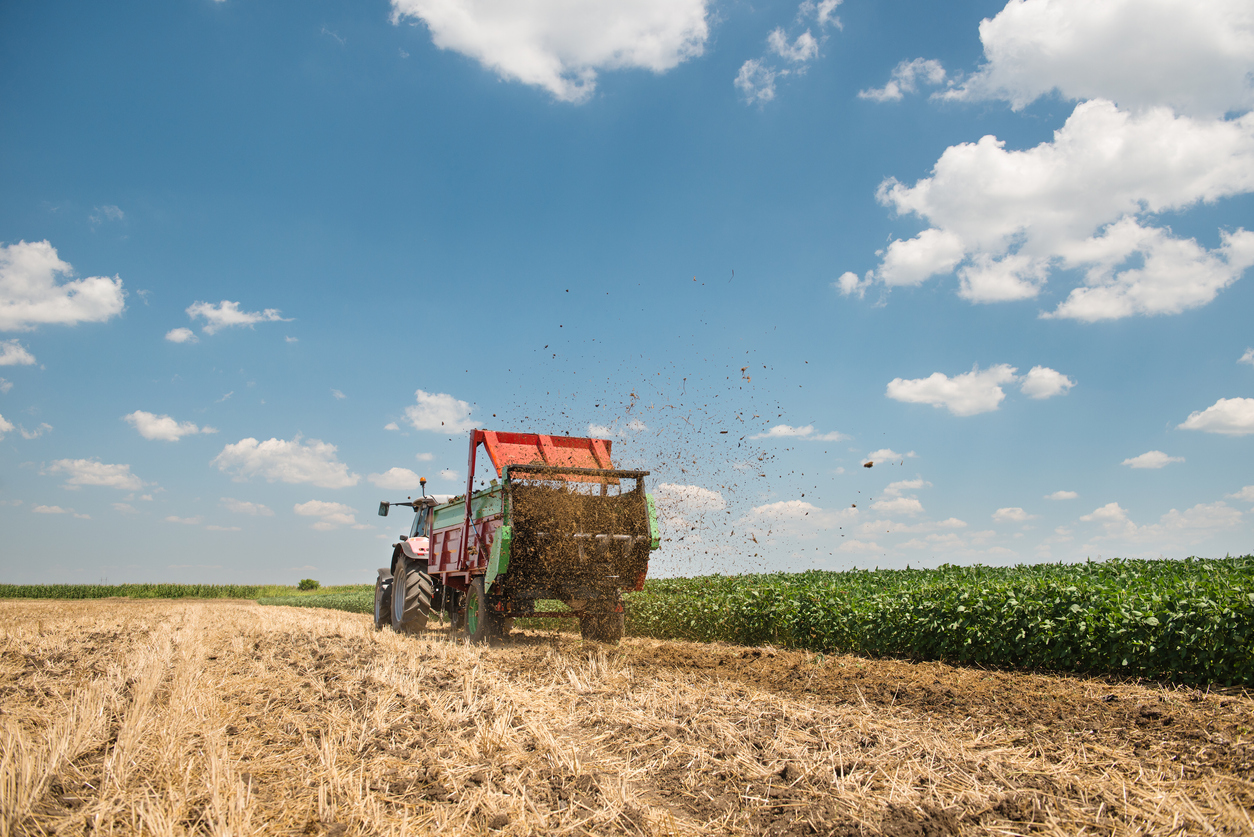
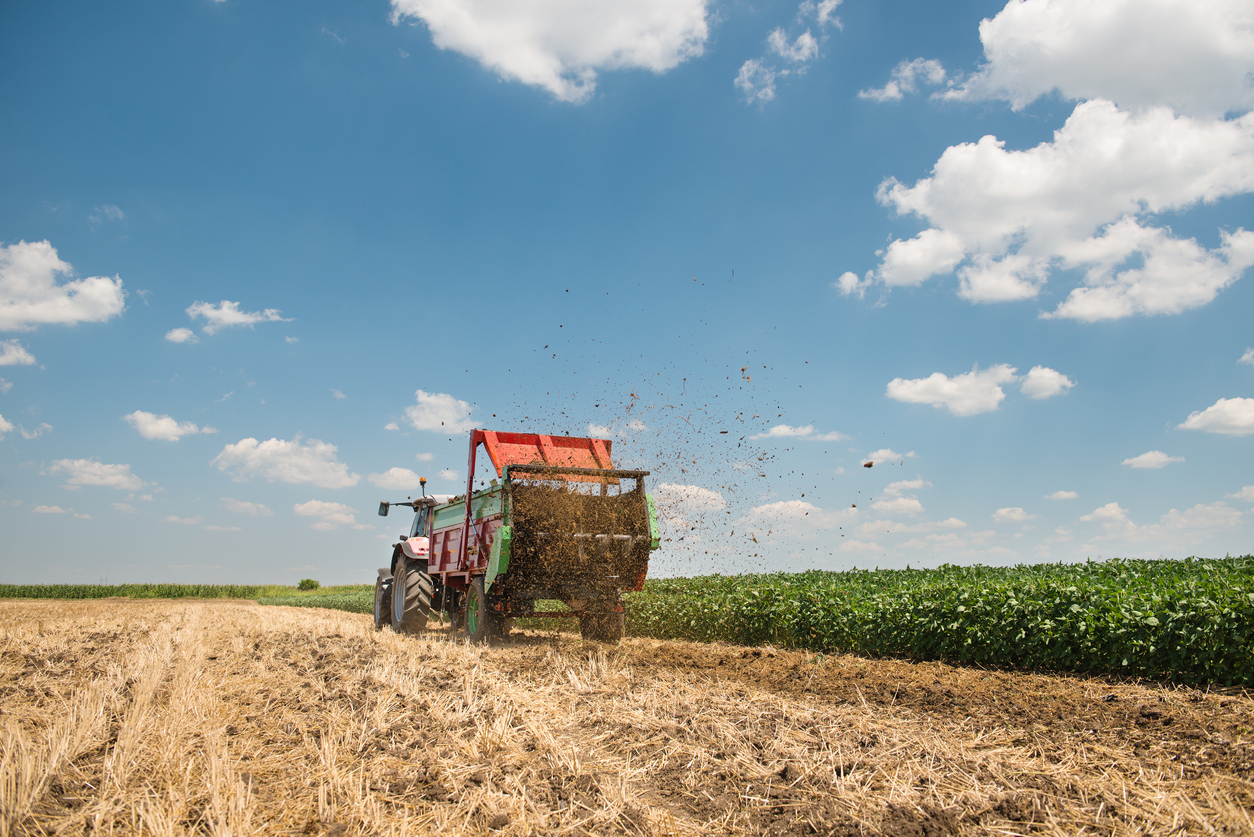
  Manure is a valuable commodity to farmers for its fertilizer value and it beneficial role in feeding soil microbes and plants. As fertilizer prices have moderated, the value of manure has declined\ slightly, but its still a good product for the soil if put on thin with live plants (cover crops) to recycle it quickly. Manured fields on average have a yield increase of 4.4%. That adds value to any farm. To get the best results from manure applications, follow these recommendations Manure should always be tested because nutrients values vary. Take a manure sample close to the date of application to get accurate results. Soil testing is also recommended to avoid over application. Pre-side dress nitrogen tests (PSNT) are commonly taken in the spring or early summer but take these tests close to manure application date. Weather, moisture, soil temperature, and overall soil microbial activity changes PSNT values tremendously. To protect water quality, apply manure based on the phosphoru...

Declining Fertilizer Prices

Image
  Fertilizer prices this fall have started to decline since this time last year. Overall, fertilizer prices have dropped almost 66% since their all time highs but are still about 20% higher than pre- COVID levels in 2019. For farmers this is good news because fertilizer is a major cost. However, grain prices and fertilizer prices tend to correlate which means they travel in the same direction. Grain prices are declining also. Generally, fertilizer prices follow the grain price, so it is not all good news. Why are fertilizer prices falling? Fertilizer production is a global industry. Russia is a major exporter of fertilizer, and the Ukraine-Russia war caused fertilizer prices to soar. For the United States, we had to find new supplies and new input sources. Canada stepped in and started producing more fertilizer, especially potash or potassium fertilizer, so prices have declined. Russia and Belarus are major exporters of fertilizer. Although government sanctions were imposed on thei...

Corn Starter Fertilizer

Image
Farmers use corn starter fertilizer to increase corn yields? True but the 25-36% increased growth at V6 (young corn, six true leaves) may only increase corn yield 2-3%. Weather and soil conditions after planting often have a greater influence on crop yield than starter fertilizer. However, farmers want to get their corn crop off to a great start so they have a chance at achieving those higher corn yields. Where do farmers get a big boost from corn starter fertilizer? Generally, soils that are low in nitrogen (N), phosphorus (P), and potassium (K) respond the most to N-P-K starter. Corn after corn responds to added N. No-till fields with cover crops respond to early applied N due to a higher carbon: nitrogen (C:N) ratio in the soil. In no-till fields, 40-60# of N is suggested at planting to overcome the N deficient. Soil microbes need the N to break down cover crop roots and possibly higher crop residue. Poorly drained soils that are cold and wet also respond to starter fertilizer becau...

Fertilizer Stratification

Image
  Fertilizer stratification occurs when a farmer surface apply soil nutrients like phosphorus (P) and potassium (K) without doing any tillage. Deep tillage (plowing 6-8 inches deep) generally moves and mixes surface applied nutrients down about 3-4 inches, or roughly 50%. Some farmers worry that nutrients applied at the surface will not be plant available. Marion Calmer, an experienced no-till farmer and researcher in Illinois, found that roughly 54% of his P and 43% of his K was found in the top 2 inches of his soil. Since he plants corn 2 inches deep, many nutrients were above his corn roots. In dry weather, he was seeing stunted corn and nutrient deficiencies (P deficient purple corn). For every $1 in fertilizer (P & K) applied every year, he got back about $.40 in additional corn yield. He had been applying commercial fertilizer for 30 years to his no-till fields by surface applying nutrients. When he started checking with soil test every year, he found that he was gaining ...

Phosphorus and Lime Fertilization

Image
  Farmers are making plans for fall harvest, fertilization for phosphorus (P), and lime. Farmers need to minimize P losses at the edge of the field by following recommendations that maximize productivity while minimizing environmental impacts on water quality. Lime fertilization is less of an environmental issue but following certain guidelines is economical. Avoid overloading soils. Soil test and follow tri-state fertilizer recommendations. For corn and soybeans, 20-40 PPM Mechlich-III is an acceptable P soil test level with 30-50 PPM for wheat and alfalfa. Where soil test levels are above 40 ppm Mehlich III, do not apply additional P in a corn-soybean rotation. Fertilizing soils above these levels increases risk of P in runoff and tile drainage.  Avoid winter application. Eliminate surface application of manure or fertilizer to frozen or snowcovered fields. Frozen ground is ground that is frozen so that tillage is not possible. Surface applied manure or fertilizer is subject...

Late Season Corn Fertilizer

Image
  Heavy rains have been falling in many areas in the month of July. This has many farmers wondering how much Nitrogen (N) is still available. Soluble N in the form of nitrate can be leached, some can runoff the surface, and other N can be lost by denitrification into the atmosphere. If corn is turning yellow, it can be nitrogen or sulfur (S) deficient or both. Many farmers are asking, is it too late to apply corn fertilizer? Late season corn N applications have proven to be successful, but often requires specialized high clearance fertilizer equipment. Often, fungicides and micro-nutrient blends are also put on late, so adding some N fertilizer is an option. University of Missouri and Ohio State University research shows that urea and dribbling on 28% UAN can be applied late season. With the recent rains, most fields should have adequate moisture for the N to used effectively. Some leaf burn may occur with broadcast urea, but yield damage is relatively slight. How late can N be app...

Tips for Reducing Fertilizer Costs

Image
  Farmers are re-evaluating their fertilizer application due to high fertilizer prices. Farmers who regularly applied fertilizer may not need as much or any additional fertilizer if their soil tests are optimal; especially for lime, phosphorus (P), and potassium (K). Most agricultural clay-based soils have around a ton of P and perhaps 40 tons of soil K. Applying high priced fertilizer when it may not be needed is not a good investment. Soil testing is a good investment for both rented and owned cropland. Soil tests are accurate for 3 years, but knowing what fields need fertilizer is the most important. Fields that are nutrient low should be prioritized over high or optimal fields, especially if fertilizer dollars are limited. Without recent soil tests, farmers are just guessing their crop’s nutrient needs. Soil samples are usually taken in the fall or early spring. Soil tests are often taken at the same time of year and then compared over several years to see soil fertility trends...

Fertilizing Crops with Nitrogen

Image
June is a busy month as farmers finish up planting, fertilizing, and spraying crops. For corn nitrogen (N), farmers have several options. Many farmers side-dress anhydrous nitrogen to corn. Anhydrous is a concentrated source of nitrogen, 82% by weight while liquid forms of N can be 28-32% or as high as 46%. Ammonia is usually the most economical, however, since it is stored at low temperatures (-28OF) with internal pressures of 250 psi , its more dangerous to apply. Anhydrous is often applied in the fall or early spring with a N stabilizer, getting at least a portion of their N applied, before spring or early summer rains prevent timely fertilizer application. Advantages include applying N fertilizer during a slack time period and it is generally cheaper and the most economical. Soil bacteria can easily convert ammonia into nitrate. Generally, corn like to take up N as both ammonia and nitrate. Nitrate forms of N promote growth while ammonia forms promote yield. As the season progress,...

Improving Fertilizer Availability

Image
As fertilizer costs increase, farmers want to either lower their fertilizer costs or find ways to conserve soil nutrients. Cover crops can help do both things. Legumes and clovers sequester nitrogen (N) and grasses and radishes make phosphorus (P) more available. Most conventional soil tests measure inorganic soil nutrients but are less reliable accounting for organic or carbonbased plant nutrients. As soil health improves, nutrient availability and nutrient efficiency generally improves due to higher soil microbial activity. Manure improves soil health and soil organic matter (SOM). Solid chicken manure is high in N, P, and calcium. Liquid manures (hog and dairy) can be major sources of nutrients but have a high-water content (dairy, 98% water; hog, 95% water) and with high transportation costs, can be more expensive. Composting solid manure tends to concentrate available nutrients because as manure decomposes, the volume generally reduces to about a third of the original volume. Good...