Posts

Showing posts with the label soil

Biochar Soil Benefits

Image
  Biochar is a fine-grained, porous, charcoal-like substance produced by heating organic plant or animal matter (biomass) in a zero- or low-oxygen env ironment. This chemical decomposition process is called pyrolysis. Unlike regular charcoal, which is primarily produced to be burned as fuel; biochar is created for agricultural enhancement and long-term carbon storage. Biochar is made from wood chips, crop residues (like corn cobs), forestry waste, and animal manure. The biomass is sealed inside a container and heated to high temperatures, usually between 750°F and 1300°F. Because oxygen is absent, the material cannot catch fire or turn to ash. Instead, it breaks down into energy-rich gases and a highly stable, solid carbon structure. Biochar is great for enhancing soil. The microscopic, sponge-like structure of biochar acts as a physical filter that catches and holds moisture in the soil. For nutrient storage, biochar prevents fertilizer runoff by trapping essential minerals and ma...

Seed Chilling

Image
  Seed imbibition is the process by which dry seeds absorb water, swell, and start germinating. A corn seed will absorb 30% of its weight in water while a soybean seed absorbs 50% water by weight to start germinating. Water moves into the seed coat, to the embryo, and the endosperm which greatly expands the seed and softens the seed coat. Soon radical roots start growing which are the first seed roots. For corn and soybeans, the soil temperature needs to be above 500F but 600F to 700F is much better. Seeds can take 18-20 days to germinate at 500F, but only 8-10 days at 600F and 1-5 days at 700F. This measurement is taken 2 inches deep in the soil. Generally, the soil temperature and moisture are a little more uniform when seeds are planted at least 2 inches deep or deeper. Corn can be planted 3 inches deep to get a more uniform emergence or at least down to moisture. Most areas have received adequate moisture this spring, but there are still areas with much less moisture due to thi...

Reducing Compaction with Roots

Image
Brian Doughtery, a Understanding Ag consultant, says compaction is a sign of a poorly functioning soil. Soil compaction is not a natural occurrence, it comes from too much equipment (heavy axle loads, too much tillage), not enough biology (lack of roots and living organisms), and excess nutrients. Well aggregated soils look like black cottage cheese; soil crumbles easily in your hand and water and gases move freely in soil. Well aggregated soils have 50% solid materials made up of ground up rock, minerals and water with the other half being pore space by volume. Compaction just means the pore space is reduced or eliminated resulting in denser compacted soil. For good plant growth, roots need to penetrate the soil to get water and nutrients and have adequate gas exchange. Roots need oxygen produced and released by the leaves to move down into the soil to break down the food produced by the leaves. Roots give off carbon dioxide after the oxygen breaks down the food in the roots. It’s a...

New Strip Till Research

Image
Dr. Jodi DeJong-Hughes has been doing strip till research in Minnesota for the past 20 years, comparing it to conventional tillage practices on both corn and soybeans. She says the two most common questions farmers ask are, “Does strip till allow my soils to warm up and dry out in the spring?” and, “Will crop yields suffer (decrease) with strip till?” Dr. DeJong-Hughes has set up her research trials to test these farmer assumptions. On strip till, about a 6-inch area where corn or soybeans are planted is tilled, either in the fall or spring. In standard 30-inch rows, about 80% (24 inches) remains no-till, with about 20% (6 inches) tilled. The benefits of strip till in corn include reduced soil erosion, improved soil structure, and better water infiltration. In a four-year study in Minnesota, known for its shorter growing season and colder spring soils, Dr. DeJong-Hughes tested sandy, silt-clay, and clay loam soils, taking weekly soil moisture and temperature readings. She compared stri...

Drainage and Soil Health

Image
  Dr. Vinayak Shedekar, Ohio State Drainage Specialist recently shared some information. He compared the last 30 years of subsoil moisture conditions and confirmed that soil moisture levels down to 1 meter (roughly 3 feet) are only about 5-10% of average levels. Streams are very low especially in Southeast Ohio, but also Northwest and Central Ohio. In Northwest Ohio, the advantage of heavy clay soils higher in soil organic matter (SOM) helps retain moisture better than other areas.  Dr. Shedekar also shared that 70% of all crop losses come from water extremes. Usually, excess water is problem and accounts for 50% of all crop losses, while dry weather accounts for 20%. Improved drainage helps remove excess water but also improves soil aeration. Roots need access to oxygen to burn carbohydrates and sugars for energy.  Some farmers are now installing irrigation to help with dry conditions. Farmers first need a good source of water. Rivers and streams can be a source but you ...

Human Health equals Soil Health

Image
 There is a renewed interest in improving human health. About 95% of the food we eat, comes from the soil and human health is directly related to good soil health. Soil and plants also improve the air we breathe and the water we drink. Keeping soils healthy is an important goal. Unfortunately, worldwide; soil are degrading quite rapidly. The loss of topsoil due to erosion, loss of soil organic matter (SOM), and human changes to soil (compaction, tillage, development) makes our soil less healthy. Here are some ways soil health and human health are linked together.  Human health and Mother Nature are closely linked. The microbes in our gut and bodies are similar to the microbes in the soil. When Mother Nature finds a way to advance life and be successful, it often repeats itself in a slightly different way. For example, the thin layer of topsoil on our planet is very similar to skin on our bodies. Our lungs and the alveoli (air sacs) are designed and look very much like mycorrhi...

Dealing with Hot Temperatures

Image
Farmers are finishing up planting, but some crops have been slow to emerge. Cooler nighttime temperatures may be delaying emergence. In most cases, moisture has been adequate but highly variable. However, summer has arrived and very soon hotter and drier weather conditions may prevail. The last two years plus this year look like a hot June. Last year, moisture was very short in May. This year, farmers have some moisture at the surface, however, subsurface moisture is very low. When it gets hot and possibly dry this early in the growing season, what can a farmer do? Crops' roots are still shallow and the crop is not well developed yet. Early planted crops appear to be in better condition to survive higher temperatures and possibly drier soil conditions because they have more developed roots. First, try to terminate cover crops and weeds quickly to save moisture. Second, reduce or avoid tillage because each tillage pass dries out the soil .5-1.0 acre-inch of water. Dry soil tends to ...

Wet Weather Issues

Image
  Farmers are starting to make progress on planting, but it's quite variable. Warmer temperatures and humid conditions are expected. Both the winter wheat and weeds are growing quickly. Not only weeds, but also many insects and diseases are becoming a problem this year. Wet soils tend to compact and create poor soil structure, which is a major problem if soil dries off. Farmers have a lot of things to worry about when it stays wet and it's time to get crops planted. On fast-growing weeds, corn has more restrictions for post applications of herbicides. Higher rates of herbicides will be needed along with post-emergent herbicides to control the weeds. Higher rates of Glyphosate (Roundup), Liberty Link corn, and Extend corn can help control most weeds but it is more difficult when weeds get big. The weeds are much easier to terminate when they are small. On insects, watch for wireworms and seed corn maggot. Seed corn maggots are often a problem early with the larva feeding on the ...

Earthworm Research

Image
  Colorado State University examined 50 earthworm research studies to determine the effect on crop yields. All studies had different crops, soil types, tillage, and fertilizer applications. Overall, healthy earthworm populations increased crop yields an average of 23.3% world-wide. Earthworms thrive in healthy soils and do the best in no-till fields (no tillage), in cover crops fields with good soil organic matter levels, and where crops are rotated. These fields also had higher levels of beneficial bugs, bacteria, and fungi. Earthworms decreased the need for chemical fertilizer by an average of $50/Acre. Earthworms love healthy soils (No-till Farmer, 2024). Tillage is a major deterrent to earthworm growth. Tillage destroys their burrows, kills some adults but also desiccates earthworm eggs and wipes out future generations. Nightcrawlers are top feeders, using surface residue for food and to maintain soil temperature. Tillage destroys soil organic matter (SOM) which red wigglers ne...

Humates? What’s the Big Deal?

Image
  This revised article comes from Larry Tombaugh (2023). So, what's the big deal about humates? Humates reconditioned the soil around Chernobyl after the nuclear reactor had a melt-down. Humates give us fulvic acid which is used to treat medical patients more effectively. Humates have a CEC (cation exchange capacity) of over 600, contains 65 micronutrients, and has both positive and negative sites. So, humates are a great soil conditioner and plant biome facilitator! Humates are a big deal! A teaspoonful of dry humic eaten about 4 or 5 times a week will feed your gut microbes (over 8,000 bacteria and fungi strains in a healthy gut). Humates is a broad term for the carbon-based product formed after the Ice Age all around the world. Potency depends on the amounts of Humic and Fulvic acid. Russia claims about 75%, New Mexico and North Dakota 80% and Canada about 85%. Where the ore was formed determines its purity. The reason Canadian ore is superior is because it was formed from 30-fo...

Updated Manure Value

Image
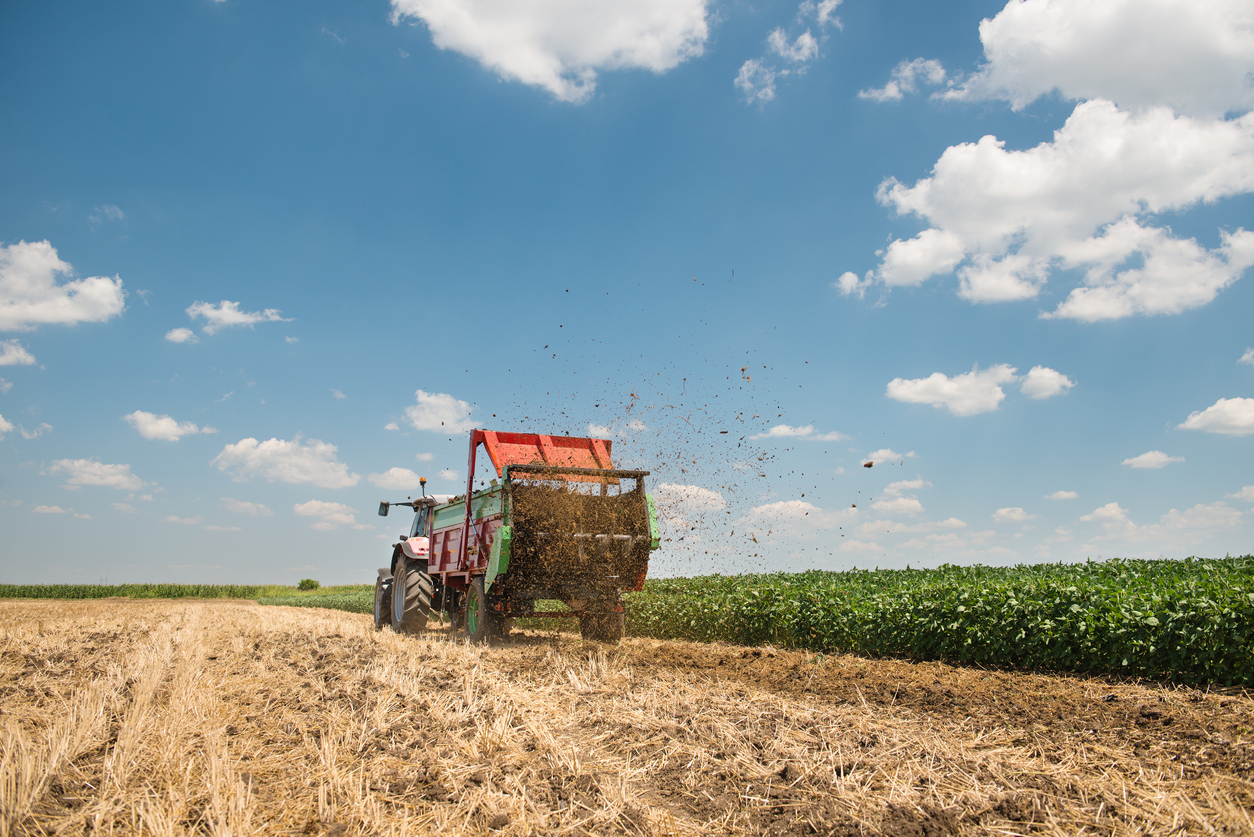
  Manure is a valuable commodity to farmers for its fertilizer value and it beneficial role in feeding soil microbes and plants. As fertilizer prices have moderated, the value of manure has declined\ slightly, but its still a good product for the soil if put on thin with live plants (cover crops) to recycle it quickly. Manured fields on average have a yield increase of 4.4%. That adds value to any farm. To get the best results from manure applications, follow these recommendations Manure should always be tested because nutrients values vary. Take a manure sample close to the date of application to get accurate results. Soil testing is also recommended to avoid over application. Pre-side dress nitrogen tests (PSNT) are commonly taken in the spring or early summer but take these tests close to manure application date. Weather, moisture, soil temperature, and overall soil microbial activity changes PSNT values tremendously. To protect water quality, apply manure based on the phosphoru...

Estimating Crop Yields

Image
  As crop start to mature, farmers are estimating crop yields. Weather conditions have been variable. Many soil are drier than normal. However, some fields have had almost perfect rains and some way too much. Expect yields to be as variable as the rainfall, even within the same field. The best way to estimate corn yield is to use the yield component method. This method was developed by the University of Illinois. The following procedure comes directly from Dr. Bob Nielson, at Purdue University. The yield component method uses four components. These yield components include number of ears per acre, number of kernel rows per ear, number of kernels per row, and weight per kernel. The first three yield components (ear number, kernel rows, kernels/row) are easily measured in the field. Final weight per kernel obviously cannot be measured until the grain is mature (kernel black layer) and a 15% grain moisture of 15% which is the typical moisture value used to determine a 56-lb market bus...

Payments for Regenerative Practices

Image
  Due to government subsidies, a number of companies are now paying farmers for regenerative farming practices and conservation practices that reduce greenhouse gases. Agriculture, it is estimated, may be responsible for about 10% of greenhouse gas emissions to the atmosphere. However, agriculture can be a huge sink or storage vessel for stored carbon. Currently only about 15% of farmland is considered regenerative with the goal of reaching 40% by 2030! Reaching that goal will require higher payments to farmers to make that change. Most of the money comes from the Inflation Reduction Act passed last year, around 40 billion dollars. Companies get paid for buying farm commodities that reduce our “Carbon footprint” which can amount to multi-millions of tons of carbon. Several practices are being promoted from cover crops, reduced tillage, nutrient optimization, agro-forestry practices, and grazing. Farmers will have many opportunities to participate in these government/company sponsor...

Improving Soil Conditions

Image
  Some cooler temperatures are coming and some rain has occurred. Most farmers are hoping for more rain to get their crops out of the ground and growing. One thing, where ever the soil had higher amounts of soil organic matter (SOM), the crops emerged and are growing much better. Every 1% SOM holds about 0.5 to 0.8 inches of rain, which helps crops germinate and grow until they get their roots established. Building SOM requires getting more roots in the soil. No- till and cover crops are two ways to build SOM and reduce adverse weather. As wheat harvest approaches, farmers may be considering double cropping soybeans. In a dry year, soybeans may not be the best option, but letting wheat stubble remain bare promotes weeds. Many cover crops can grow and thrive with little soil moisture including buckwheat, cowpeas for nitrogen, and teff (forage crop). Diverse cover crop mixtures help each germinate and get needed nutrients. Planting cover crops after wheat is a safer bet when moisture...

Building Soil Carbon

Image
  The following revised article came from information provided by Jon Stika. Jon Stika is a retired Natural Resources Conservation Service (NRCS) soil health instructor. He is also the author of A Soil Owner’s Manual: How to Restore and Maintain Soil Health. Farmers are looking at carbon markets, just as they look at crop markets, to improve their bottom line. The goal is to transfer carbon from the atmosphere back into the soil. The real question is what conservation practices increase soil carbon? If a farmer is looking to sign a carbon sequestration contract, it makes sense they understand carbon cycling and soil carbon storage. Carbon market contracts use the term “sequestered carbon”. Sequestered carbon includes oil, natural gas, and coal; carbon that is tied up. Do farmers want to sequester carbon or recycle soil carbon more efficiently? Soil carbon is one of the most limiting nutrients for improved crop production. With an estimated world population of 8 billion people today...

Does Inoculation Pay?

Image
Most farmers have stopped inoculating soybeans but with todays prices, is it worth considering? In most cases, if soybeans have been grown in the last 3-5 years, the soil contains rhizobia (Bradyrhizobium japonicum) bacteria which fix atmospheric nitrogen in their root nodules to produce soybean seed. Although these soils have rhizobia, do you have enough and does it pay to inoculate every year. Dr. Jim Beuerline’s Ohio research (2004) showed farmers gain 1.94 soybean bushels per acre when they inoculated their crops every year. Since inoculant costs $5 to $7 per acre, at $14 per soybean bushel, that’s a return of 4X-6X your investments. For some farms the yield increase is 2-6 bushel ($28-$84)/acre or a return of 4X-16X. In most cases, inoculating soybeans is an investment that is at least worth considering! Here are some cases where it really pays. First, if your soil has been flooded or have standing water for more than 1 week, inoculation can pay off. On the other hand, if you inoc...