Posts

Showing posts with the label insects

Fighting Corn Rootworm Naturally

Image
  Corn rootworm (CRW) is a common corn insect that costs producers about $1 billion dollars a year in lost yields. CRW started to thrive after World War II for several reasons. First, farms got bigger and the crop rotation got simpler. Larger equipment and more corn on corn or a simple rotation of corn and beans led to poor soil health. Predators to CRW like to live in healthy soils with many cracks and pores and live roots so they can move around. Tillage and compaction increased the prevalence of CRW. Here are six natural ways to fight corn rootworm (CRW). First, minimize tillage and soil disturbance. CRW do not thrive in undisturbed soils because of all the roots, microbial diversity, and insect diversity. CRW are prey to numerous viruses, bacteria, protozoa, and fungi, with 10 billion microbes representing over 11,000 species in just one teaspoon of soil. The most current estimate is that there are a quintrillion insects on planet earth. A quintrillion is a billion billion, or ...

New Slug Research

Image
Farmers are again struggling this spring to get crops planted. Depending upon the amount and distribution of rain, some farmers may be almost done while other farmers are struggling to get their first field planted. In late April, there was a nice warm stretch of weather for a few days with some relatively dry weather. Some farmers got a lot planted. Others waited. Some fields of corn and soybeans are up but with the cool weather, some are struggling to grow. For slugs; cool, wet weather with slow growing crops are the best conditions for a “ slug fest smorgasbord"! Slugs like wet cool conditions and they love to eat plants under stress. Most plants, especially corn, can out grow slug damage with good weather. Soybeans are the most susceptible to slug damage. Once you see slugs starting to eat newly emerging soybeans, it is too late because once the cotyledon ( first new emerging leaves from the seed) is damaged, the plant dies. A lot of fields have either weeds still growing or...

Increasing Predator Insects

Image
Insects damage over 30% of all crops worldwide amounting to at least 220 billion dollars lost annually. Insect damaged plants allows many plant diseases a way to enter wounds, further complicating crop damage. Insects can sense when a plant is unhealthy. These plants become a preferred food source, since they feast on plants high in nitrates due to incomplete photosynthesis. Healthy plants produce full proteins which the insects cannot digest, so they avoid healthy plants. Good plant nutrition decreases insect and disease crop damage. Another way to reduce crop damage is through predators that consume both insects and disease organisms. Most predators need food, shelter, and habitat to help these beneficial predators thrive. Small fields surrounded by natural vegetation offer refuge and extra food. Diverse crops and multispecies cover crops with small open flowers promote predators. Soils high in crop residue (mulch) and biological activity offer winter refuge and food for predators. U...

Controlling Common Pests

Image
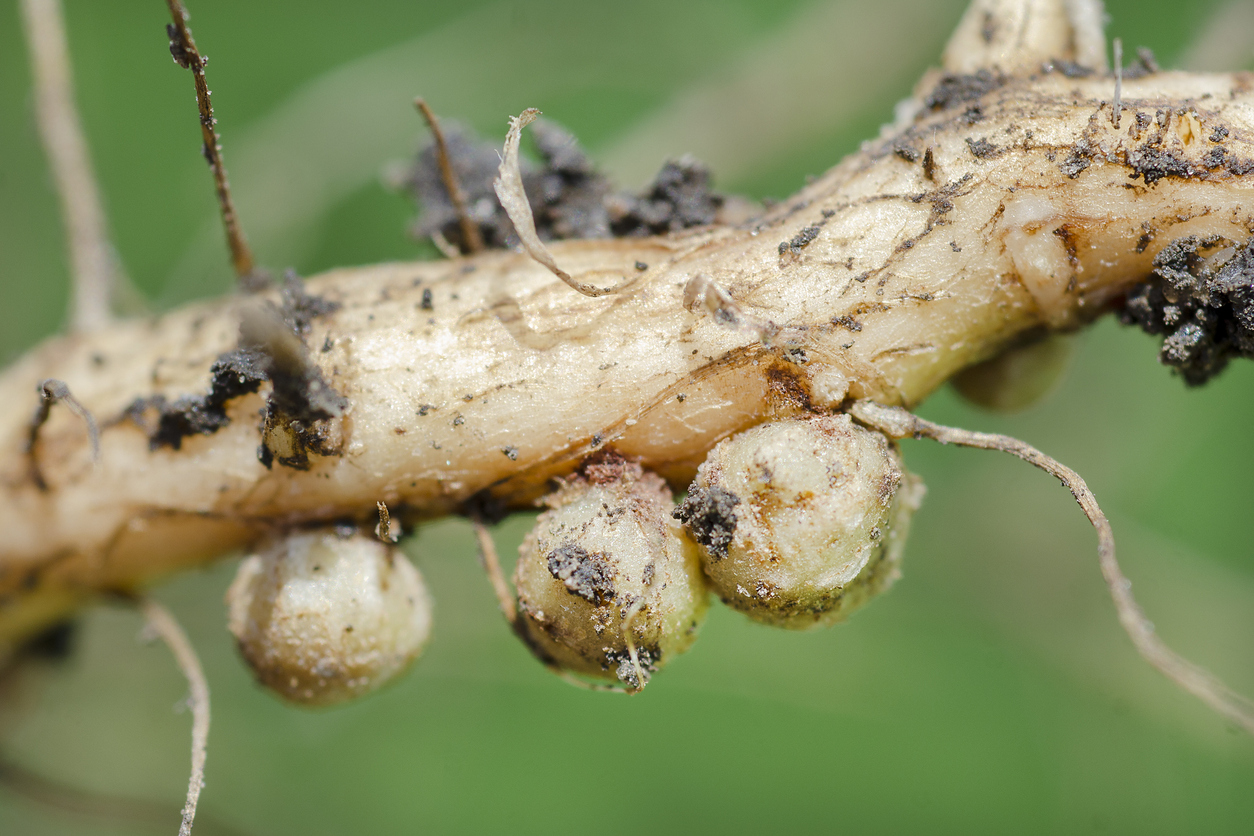
  This year a common question is how to control common insect pests of crops and vegetables, a task that is becoming more difficult. Farmers who use seed treatments and broad-spectrum insecticides to terminate pests generally also terminate the beneficial natural predators. Some common Ohio corn and soybeans pests include soybean cysts nematodes, stink bug, wireworm, seed corn maggot, black cutworm, and true armyworm. Soybean Cyst Nematode (SCN) damage soybean roots and has six life stages, 3-4 weeks apart. Soybean damage looks like stunted yellow soybeans, generally in circular or oval areas where SCN egg populations are high. There are numerous predators to SCN including Endo parasitic fungi, predatory nematodes, mites, Collembola (jumping springtails), Enchytraeids (pot worms), rove beetles, and centipedes. Cover crops like cereal rye and annual ryegrass planted early in the fall when soil temperatures are above 500F may reduce SCN levels 60-80%. The invasive brown marmorated st...

Promoting Beneficial Insects

Image
There are numerous beneficial insect species in the USA including 91,000 species of beetles (Order:Coleoptera), and many Hymenoptera or species of wasp (4,000), bees (4,000), and ants (1,000). Other beneficials include flies (5,500, Diptera), true bugs (3,800, Hemiptera), spiders (3,000, Arachnids) and earwigs (Dermaptera). Beneficials include immature ground beetles and lightning bugs, which consume soil insects and weed seed. The world insect population has declined 75% since the 1970’s, due to the overuse of insecticides, especially neonicotinoids seed treatments. Beneficial insects also pollinate USA agricultural crops worth an estimated $5 billion dollars per year and are predators to many harmful insects. There are three major ways to fight harmful insects: chemical insecticides, good plant nutrition from soil health, and by promoting insect predators. Insecticides generally kill everything including the beneficial insects that reduce harmful insect populations. Neonicotinoids (C...