Posts

Showing posts with the label soil. water

Sediment Capture Research

Image
  Dr. Jon Witter, Ohio State University water management specialist shared research on how farmers and landowners may capture sediment in runoff, reducing water quality problems. Dr. Witter has been conducting long-term research on two-stage ditches and several other ditch modifications for several years. He found ways to capture sediment that save landowners money on clean out, are faster, more convenient, and are over all cheaper to maintain.  A typical man-made ditch in Ohio is called a trapezoidal ditch with 3:1 side slope which is common throughout Ohio. The bottom is flat, and the sides are fairly steep. Northwest Ohio has at least 10,000 miles of these ditches. When they were constructed to drain the drain the black swamp, the spoils were used to make roads. Often, steep trapezoidal ditches are located next to roads. They tend to erode, and they tend to fill up with sediment and nutrients from runoff. They have to be cleaned out frequently, and often the spoils (sedimen...
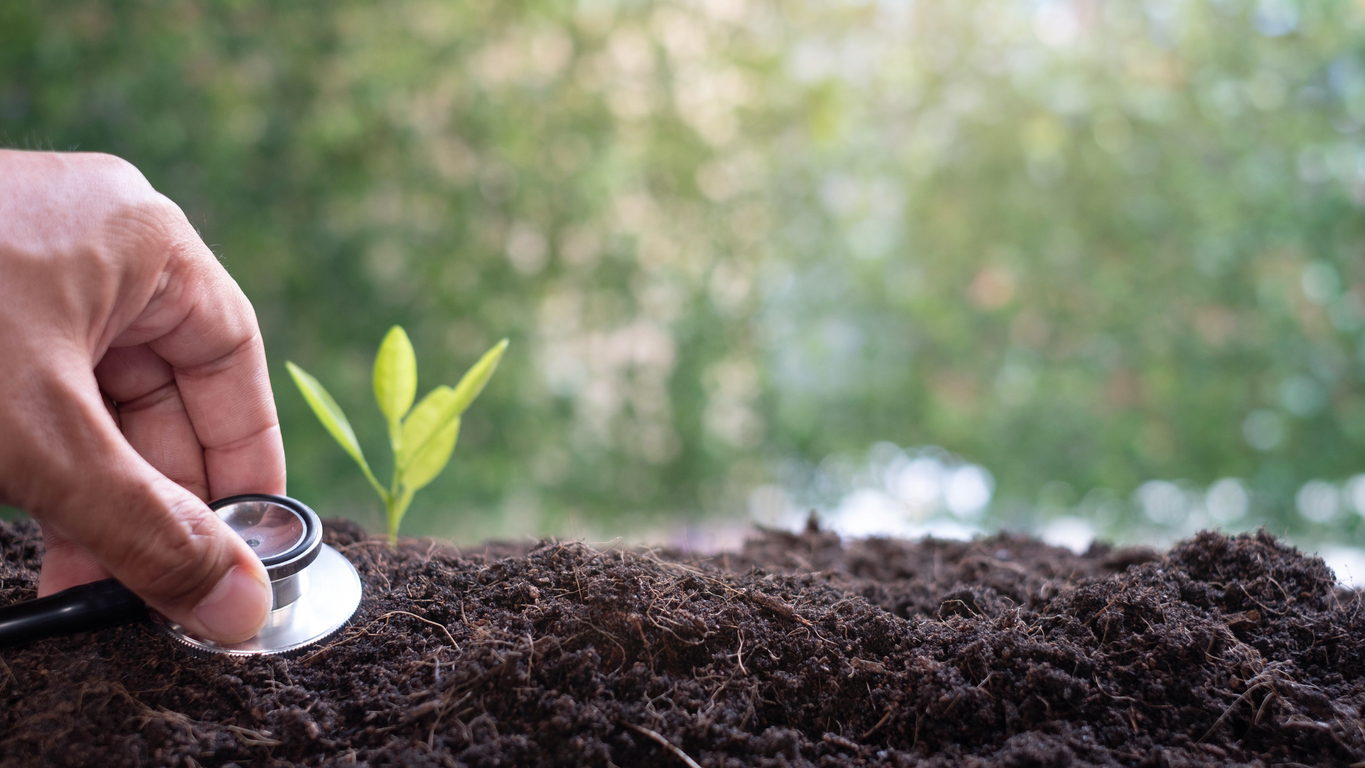
Precious Resources: Soil, Water, and Air

Image
As we celebrate the holidays and look forward to a new year, we have many precious natural resources in this country to appreciate. Our soils, water and air are second to none! We need to keep reminding ourselves in these turbulent times, how great a nation we are and how important our precious resources are to feeding the 7 billion plus people on this earth. As a country, we export one-third of our crops overseas, so many people depend on the USA to keep them fed. A common way to look at the importance of soils is to use an apple to represent the plant Earth. If the apple is sliced into four quarters, about 3 apple quarters or 75% of the earth is water located in oceans, lakes, and streams. The remaining one quarter apple slice represents the land area on Earth. Now cut that one quarter apple slice in half or into 1/8 sections. About 1/8 of Earth’s land is in swamps, deserts, mountainous areas, Arctic, and Antarctic areas that are not suitable for producing human food or for human hab...