Posts

Showing posts with the label germination

Seed Quality Effects Germination

Image
  As spring planting gets underway, farm stress is high. When seeds germinate quickly that farm stress goes away. Getting new seeds and plants off to a vigorous start increases the potential for a healthy crop with abundant yields. However, when seeds germinate slowly because of challenging soil or weather conditions, early stress on young seedlings is likely to produce a yield drag.  When seeds germinate quickly, corn seed maggot feeding decreases. When root systems develop quickly, wireworm or rootworm larvae is greatly reduced. When seedlings grow very rapidly, and have balanced seed nutrition, they can resistant slugs and flea beetles feeding. However, none of these positive effects occur when seeds germinate slowly or when seeds are of poor quality.  Planting conditions are not always ideal. Poor weather conditions means that often planting occurs under less-than-ideal conditions. Farmers typically have only about 9-10 days or less to get most crops plant...
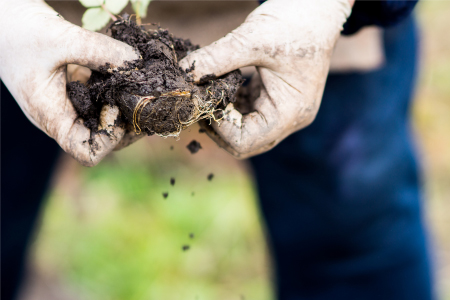
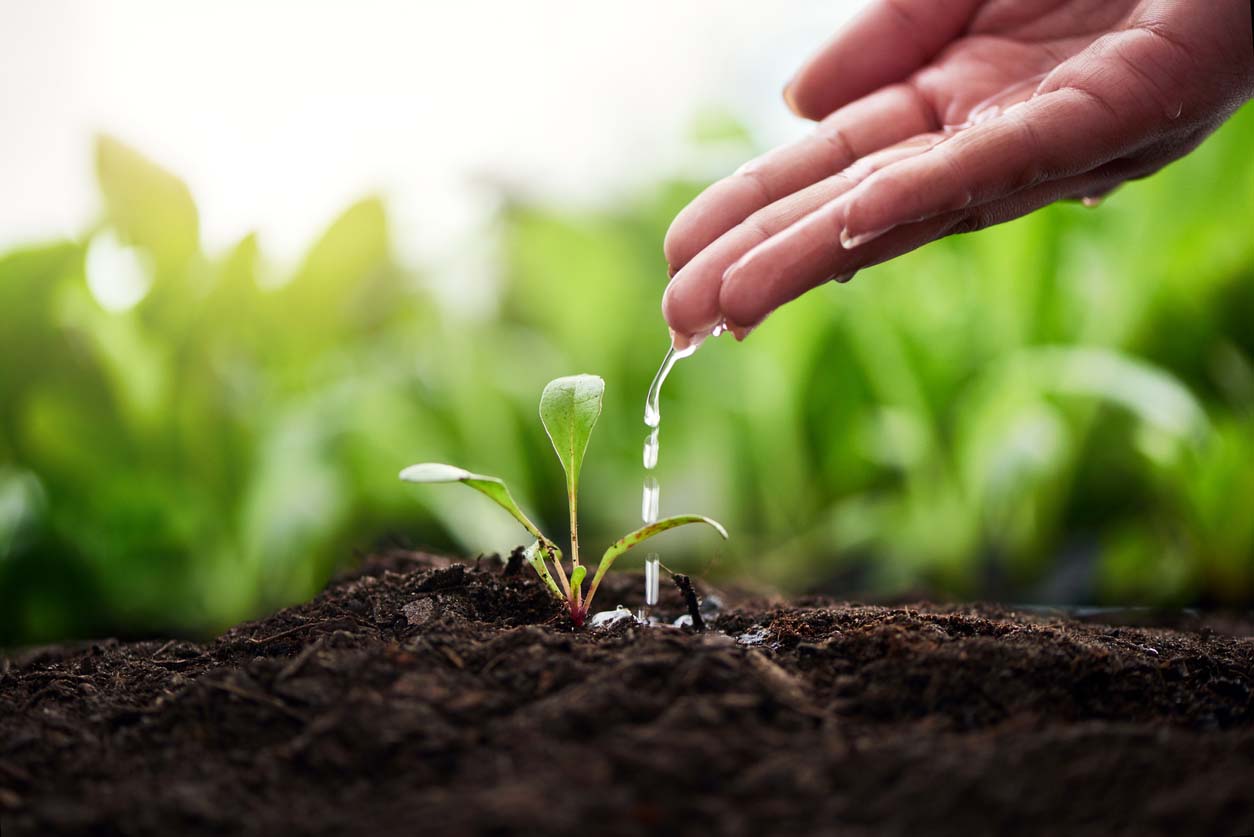
Improving Seed Germination

Image
  Farmers struggle to get their crops and seeds planted to germinate quickly. When seeds are dormant, they wait for just the right conditions before germinating. Often environmental stresses like not enough moisture (drought) or lack of oxygen make seeds wait until conditions improve. Seeds have built-in mechanism that prevents them from germinating too soon. This cautious seed germination approach also tends to hurt plant yields, because plants gets off to a late start. Dr. Brad Binder, University of Tennessee has been working with various plant seeds and the plant hormone ethylene to study seed germination. Ethylene increases seed germination, increases leaf growth, and root growth early in a plant’s life. When applied later in the growing season, ethylene causes plants to mature quicker (senescence) or die off and it promotes fruit ripening. Dr. Binder exposed tomato, cucumber, and wheat seeds to ethylene in the dark just like when seeds are planted and found that when the seeds...

Fast Crop Emergence

Image
  Fast seed germination is critical for getting crops off to a good start and to achieving higher crop yields. Cold wet weather often causes early crop stress that can be difficult for the plant to overcome and may cause yield losses long-term. Fast seed emergence has many advantages. First, the seed generally has enough energy to get the roots established and a leaf growing to capture the sun’s energy. When seed roots emerge quickly though, there is less time for seed damage by insects, especially seed corn maggots, wireworms, and root worm larva. Fast growing plants can outrun most slug damage or flea beetle which feast on sickly plants that are struggling to grow quickly. New growing roots supplement seed nutrient reserves to improve plant growth, especially from micro-nutrients needed to speed up plant growth. When seeds germinate slowly or the seed is of poor quality, none of these benefits occur. Often, seed planting occurs when crop and field conditions may not be perfect. S...