Posts

Showing posts with the label soil compaction

Reducing Soil Compaction
Image
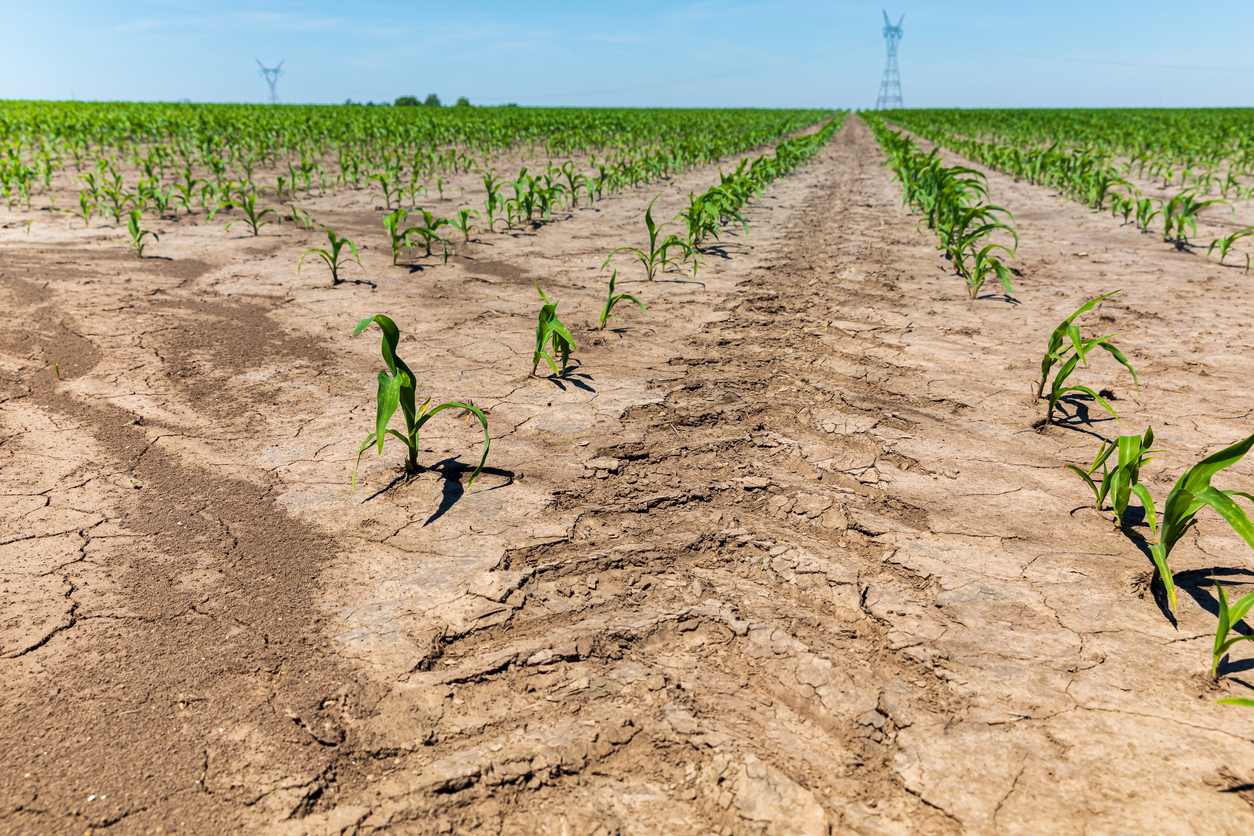
Indian Summer is here with warmer temperatures and some sunlight as farmers try to finish up harvest. A lot of field work is being done including deep and shallow tillage. A farmer down the road from my house, did some deep ripping on very wet soils. When he left, I think he might have left half the field on the road! Even though we had extremely dry weather this year, recent rains have kept our soils really moist, even muddy. As farmers, we might want to think about what long-term damage that tillage equipment might be doing to our soils. The following information comes from an article I co-wrote on “The Biology of Soil Compaction” Journal of No-till Agriculture in 2011. Soil compaction is a common and constant problem on most farms that till the soil. Heavy farm machinery can create persistent subsoil compaction. Scientists have found that compacted soils (a) physically restricted root growth; (b) decrease root zone aeration; and (c) reduces drainage, (d) increased losses of nitrogen...
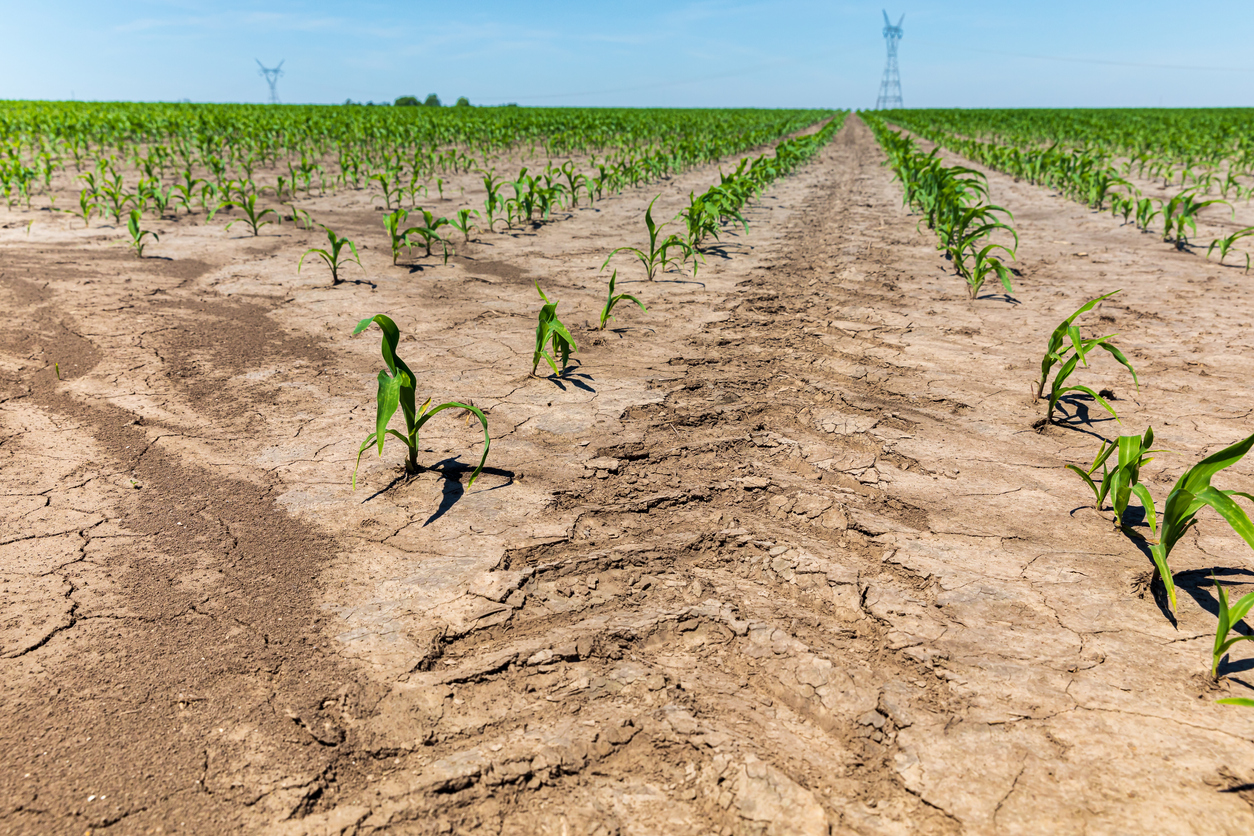
Compaction or Poor Soil Structure

Image
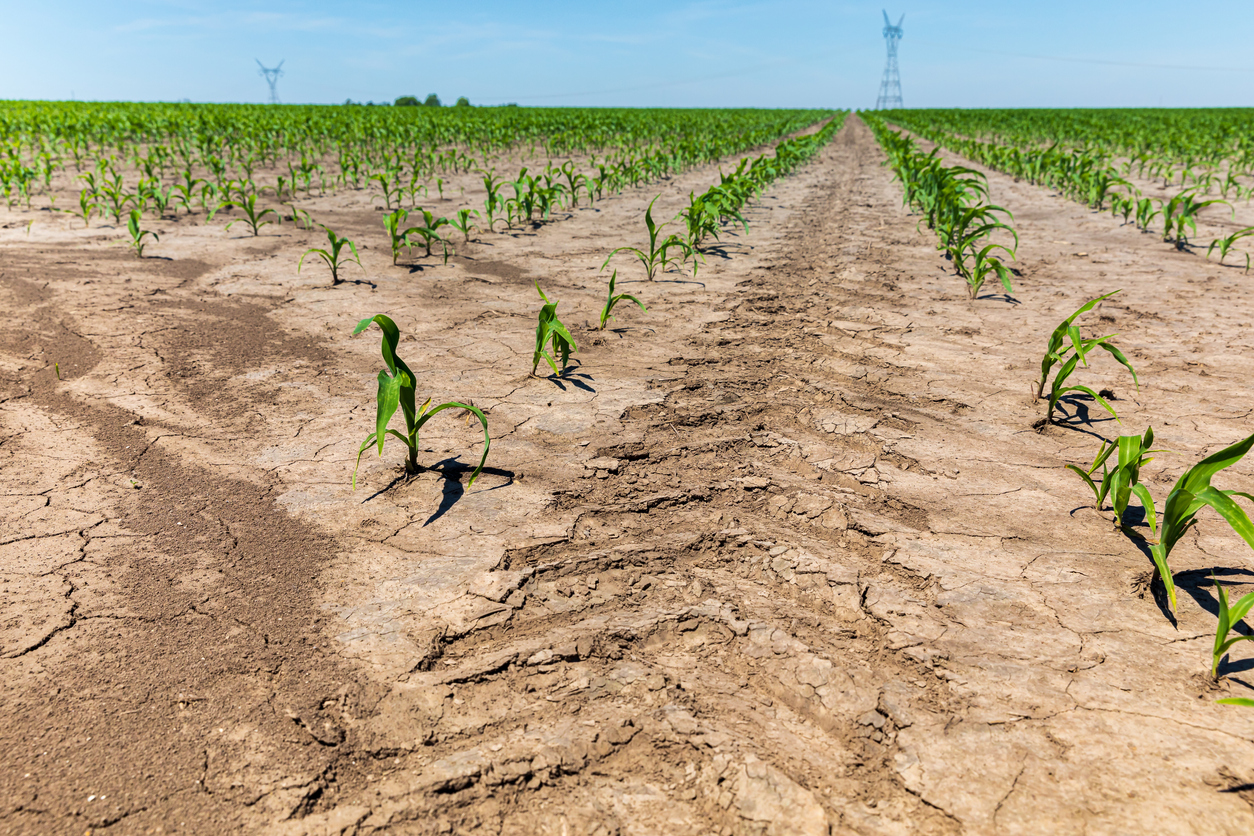
I have a long-standing feud with engineers about soil compaction. Engineers insist that soil compaction is caused by wheel traffic (true) but it also comes from excessive tillage, rain (think hard driving rains) and gravity (to a lesser degree). Soil compaction is poor soil structure due to a lack of roots and active carbon (soil organic matter, SOM) from root exudates. Tillage adds soil oxygen that promote bacteria that breaks down the good soil structure (macro-aggregates, macro’s) or soil that crumbles. The glues that form the macro’s comes from plant roots and microbial waste or byproducts. Bacteria wastes are important for cementing soil particles into micro-aggregates (micros) while fungi are important for producing glomalin that cement micro’s together into macro’s. Micro’s are the building blocks to good soil structure, but without the glues, they cause poor soil structure or compacted soils. A balance of soil bacteria and fungus are needed for good soil structure. Tillage prom...

Using Cover Crops to Reduce Soil Compaction

Image
1. What factors contribute most to soil compaction? Soil compaction is caused by excess weight and poor soil structure. A lot of soil compaction is actually poor soil structure due to excessive tillage. Tillage disrupts the macro-aggregates which give us good soil structure, releasing carbon and nutrients. The glues that form the macro-aggregates comes from plant roots and microbial waste or byproducts. Bacteria wastes are important for cementing soil particles into microaggregates while fungus are important for producing glomalin that cement macro-aggregates together. Both are important however, their needs to be a balance of bacteria and fungus in the soil. tillage promote bacteria populations over fungal populations, reducing glomalin production. These glues in the soil have two major functions, they promote good soil aggregation and they serve as a source of food for the microbes. When you till the soil, farmers increase the oxygen content of the soil, increasing the microbial popu...

Soil Compaction Remedies

Image
Farmers have harvested most of their soybeans and corn. Most fields have been dry (until this week) and farmers are looking to fix compaction problems. This article came from Sjoerd Duiker, Penn State (CORN newsletter 2015-35) and discusses ways to 1) increase soil resiliency to compaction, 2) to avoid compaction, and 3) ways to alleviate compaction. First, soil resiliency is a term that describes the ability of an ecosystem to resist disturbance by resisting damage and recovering rapidly. Soil can be made to resist compaction by eliminating tillage, increasing organic matter content, and maintaining a living soil root system. Long-term no-till farmer will testify that tires sink deeper in tilled soil. Any soil that was tilled will be more susceptible to compaction than a soil that has been in no-till continuously. Increasing organic matter content increases the soil resiliency to compaction, because the spongy humus maintains porosity and also increases aggregate stability. Finally, a...

No-till and Soil Compaction Struggles

Image
Several farmers commented that no-till soybeans in corn stalks really struggled this year. Where they tilled the corn stalks, they think the soybeans are yielding better. That could be why farmers appear to be doing more tillage this year. If you attended Nutrient Management Certification, they heard that phosphorous needs to be “incorporated”. I prefer the term injected, because if you tell a farmer he needs to “incorporate” his fertilizer, most times they want to get out the plow! Unfortunately, that is the wrong message. Fertilizer needs to come in contact with the soil, and banding phosphorus fertilizer with starter fertilizer is a better management tool, then massive tillage. Aggressive tillage is going to lead to more soil erosion and increased water runoff, and unfortunately, higher soluble phosphorus in our surface water. So how should farmers deal with cold wet soils in the spring? In 2014, we had a cold winter that lingered into spring. When farmers till a soil, they dry it o...