Posts

Showing posts with the label microbes

Soil Microbes Impacted by Fertilizer

Image
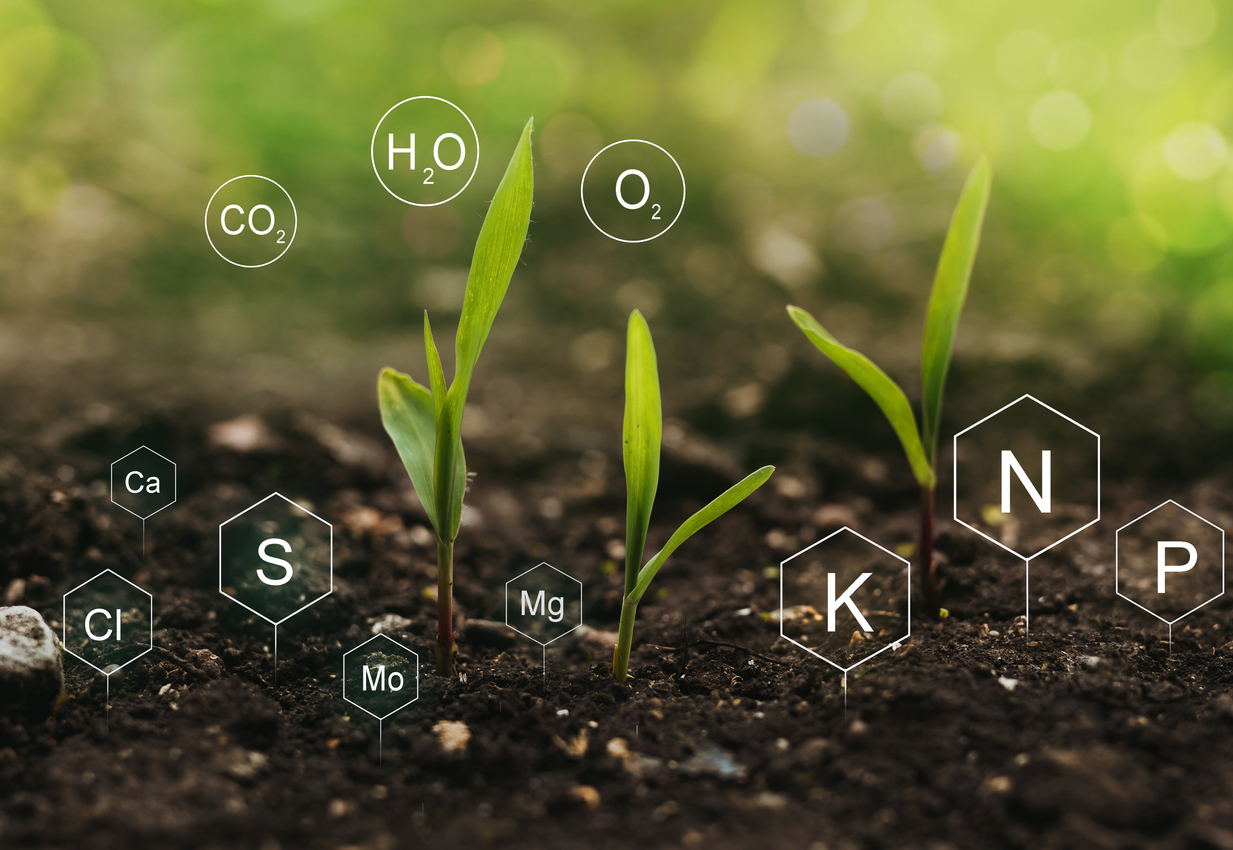
  Fertilizer generally enhance plant growth but it also may change soil microbial communities, leading to positive or negative changes. Chemical fertilizers are higher in salts (positive or negative ion charges). High salt content attracts water, ties it up, leading to both soil and plants becoming desiccated. If a nutrient is lacking, then fertilizer lets both microbes and the plant thrive. However, excess fertilizer generally leads to the opposite result. Also, chemical fertilizers tend to acidify or lower soil pH, generally disturb or change microbe diversity, and may lead to degraded soils. Organic fertilizers add more carbon and are commonly found in nature. They enhance soil microbial communities and soil fertility. They improve soil structure so that plant roots, water, and air move freely in the soil. They provide nutrients in a sustainable but slower time frame which enhances both microbes and plants, leading to more diversity and growth. However, sometimes for higher yiel...

Enhancing Plant Nutrients with Microbes

Image
  Scientist are looking for ways to produce a regular source of food on the moon. You can not just plant crops in a greenhouse on the moon and expect them to grow. They need nutrients that recycle and are in the right form. That takes microbes. Understanding what microbes make nutrients plant available may also allow “earth” farmers to use less commercial fertilizer. Farmers are now using biofertilizers (microbes) to enhance plant nutrition. Here’s a summary of important plant microbes used to make plant available nutrients. For nitrogen (N), the rhizobium bacteria convert atmospheric N2 into ammonia (NH3). The rhizobia (R) infect the plant in root nodules and then convert N into useable plant forms. Farmers inoculate soybeans, hay, and cover crops with specific rhizobia strains to generate free N for the plant. Use Bradyrhizobium japonicum for soybeans; R. trifolii for red clover, crimson clover, and white clover; R meliloti for alfalfa; and R. leguminosarum for peas, beans, and t...

Updated Manure Value

Image
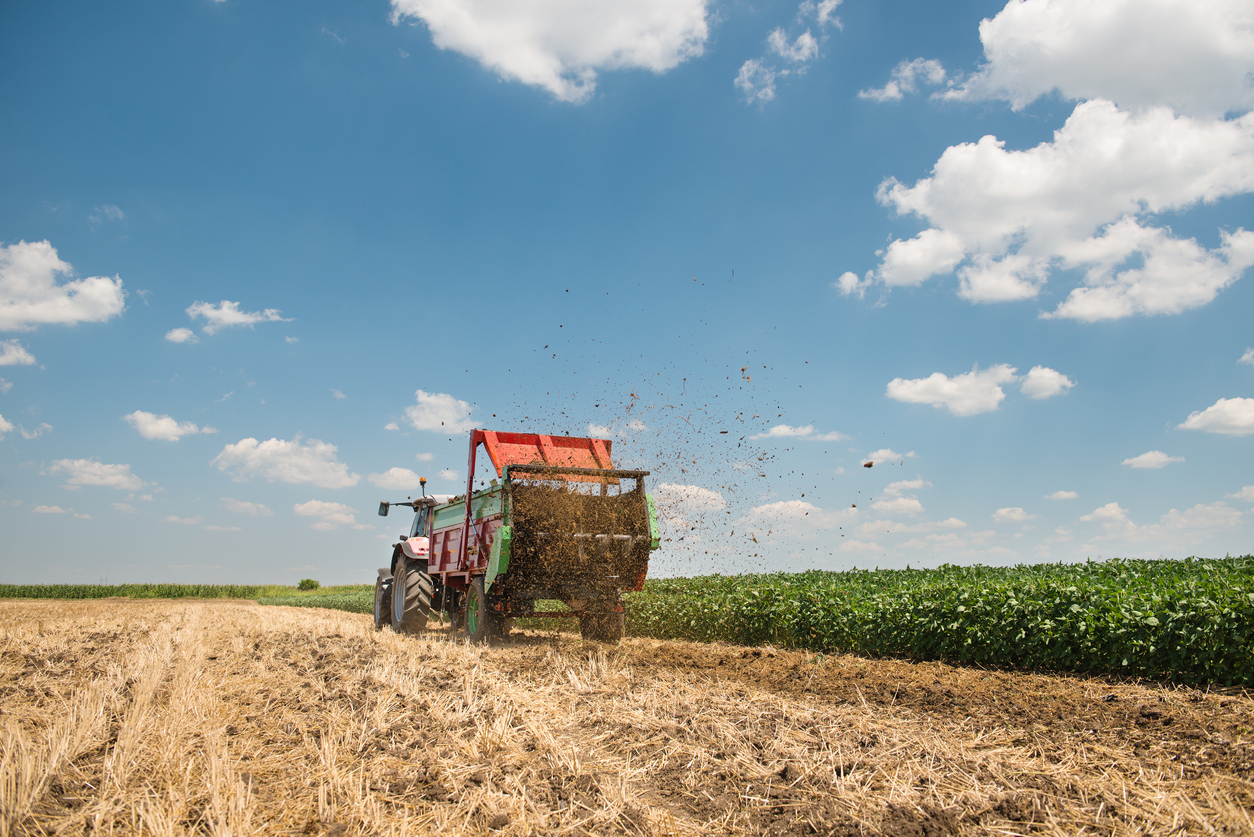
  Manure is a valuable commodity to farmers for its fertilizer value and it beneficial role in feeding soil microbes and plants. As fertilizer prices have moderated, the value of manure has declined\ slightly, but its still a good product for the soil if put on thin with live plants (cover crops) to recycle it quickly. Manured fields on average have a yield increase of 4.4%. That adds value to any farm. To get the best results from manure applications, follow these recommendations Manure should always be tested because nutrients values vary. Take a manure sample close to the date of application to get accurate results. Soil testing is also recommended to avoid over application. Pre-side dress nitrogen tests (PSNT) are commonly taken in the spring or early summer but take these tests close to manure application date. Weather, moisture, soil temperature, and overall soil microbial activity changes PSNT values tremendously. To protect water quality, apply manure based on the phosphoru...

The Smell of Rain and Microbes

Image
After a dry summer, the smell of rain is often refreshing but maybe a little less so to farmers at harvest time! People can often sense it is going to rain. This “pre-rain” smell comes from ozone formed when oxygen (O2) in the atmosphere is spilt through electrical charges in the clouds to form ozone (O3). Ozone is blown down from the upper atmosphere and has a sharp odor, somewhat like chlorine or burnt wires. This pre-rain smell is a good indication a storm is brewing before the pleasant smell of rain occurs. Recent research shows that the smell of rain is caused by soil actinomycetes or actinbacteria. Scientist have a name for it called petrichlor (pronounced pet-try-cure). As rain infiltrates the soil, it causes the actinomycetes to form spores which are released along with geosmin, a chemical that creates that earthy soil smell when soil is tilled. Geosmin and petrichlor are especially more intense in healthy soils, due to higher soil microbial activity. If a soil is unhealthy wit...

Soil Microbes

Image
Soil microbes are abundant, making nutrients available to plants. There are more soil microbes in a teaspoon of soil than there are people on earth. Most soil microbes exist under starvation conditions and are dormant, especially in tilled soils. There are 1,000-2,000 times more microbes near active live roots than tilled soil, and each microbe is a soluble bag of plant available fertilizer. Active roots supply 25-45% of their total root carbohydrates to feed the microbes. The plants feed the soil microbes sugars and the microbes supply the plant with amino acids, soil nutrients, and water. Bacteria, actinomycetes, and protozoa tolerate soil disturbance and dominate in tilled soils. Fungi and nematode populations tend to dominate no-till soils with live plants. Recent research shows that humus originates mainly from the dead bodies of microbes stacked up in the soil. Good soil is just a graveyard for dead microbes! Long-term no-tilled soils or soil with continuous live plants have sign...

Soil Microbes Recycling Nutrients

Image
Jim Hoorman in a Sustainable Agriculture fact sheet discusses new information on how soil microbes recycle soil nutrients to plants. “Soil microorganisms exist in large numbers in the soil as long as there is a carbon source for energy. Bacteria, actinomycetes, and protozoa tolerate soil disturbance and dominate in tilled soils. Fungal and nematode populations tend to dominate no-till soils with live plants. There are more microbes in a teaspoon of soil than there are people on the earth. Microbes need regular supplies of soil organic matter (SOM) or carbon in the soil to survive. Long-term no-tilled soils or soil with continuous live plants have significantly higher levels of microbes, more active carbon (sugars), more SOM, and more stored carbon than conventional tilled soils. A majority of the microbes in the soil exist under starvation conditions and thus they tend to live in a dormant state, especially in tilled soils. Active roots supply 25-45% of their total root carbohydrates t...