Posts

Showing posts with the label crimping

Crimping Cover Crops
Image
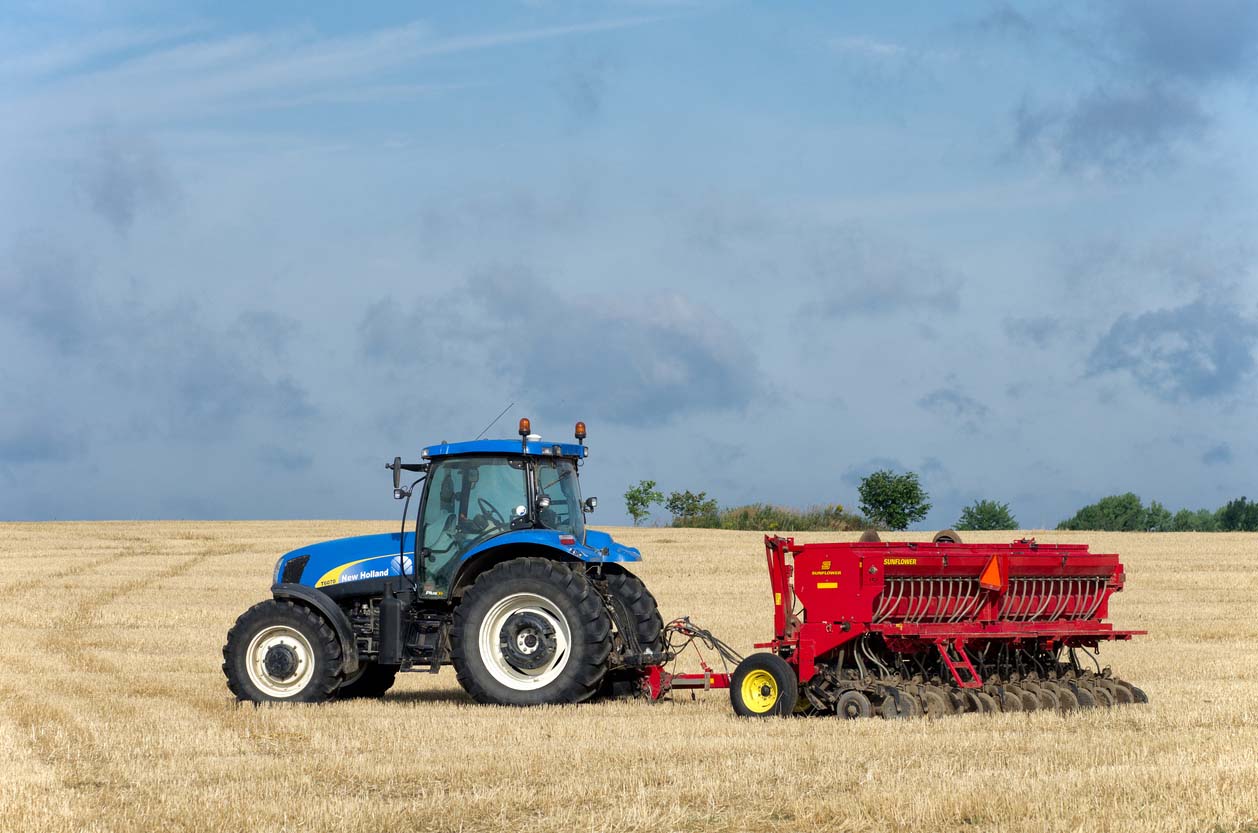
Cover crops outcompete many troublesome weeds but cover crop needs to be terminated. Most farmers kill cover crop with herbicides but crimper crop rollers can terminate naturally. Selecting the right cover crop to crimp and timing are critical for getting good crimping results. The most common grass crops that are crimped are cereal rye, oats, triticale, and wheat. Avoid trying to crimp soft flexible plants like annual ryegrass because they do not have enough lignin in the stems to cause the plant to crimp properly. For legumes, hairy vetch, winter peas, cowpeas, Balansa and crimson clovers have been successfully terminated by crimping. The best time to crimp grass cover crops are when the seed heads are emerging and for legumes when they are blooming. The crimper crop roller mechanically rolls down plants and “crimps” or kinks the stem so that water and nutrients can not move up the xylem or sugars down the phloem. Crimper blades are blunt and spaced about 7 inches apart at a 15-degre...
Crimping Cover Crops

Image
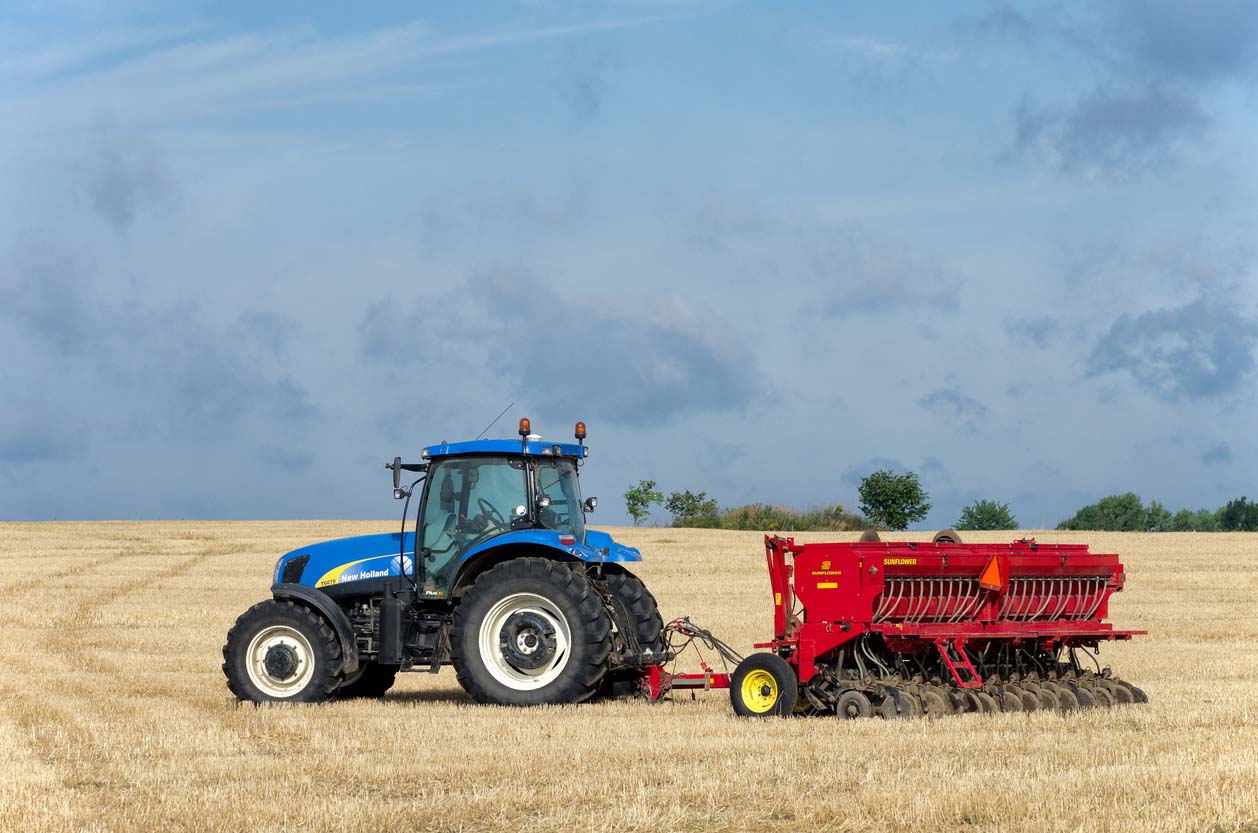
Crop roller “crimping” has become a common way to mechanically terminate cover crops. Crimpers are used to kill grass cover crops (cereal rye, barley, wheat, sorghum, Sudan, pearl millet), vetches (hairy and common), annual clovers (crimson and balansa), buckwheat, and multi-species cover crops. Crimpers do not work well with perennial cover crops like red clover, alfalfa, or annual ryegrass as a cover crop. The best results occur on annual cover crops when the heads or flowers are in the “boot” or head stage, near the end of the plant growth cycle. Crimpers are 16-inch rolling steel drums with blunt steel blades either tractor pulled or front mounted. As the crimper rolls through a cover crop, the blunt blade “crimps” or injures plant stems every 7 inches. The blades are usually curved or positioned in a “chevron” pattern at a 7- 100 angle to reduce bouncing, soil movement, and to increase maximum plant stem crimping pressure. If done properly, a 90-100% kill is possible without using...