Posts

Showing posts with the label Manure

Updated Manure Value
Image
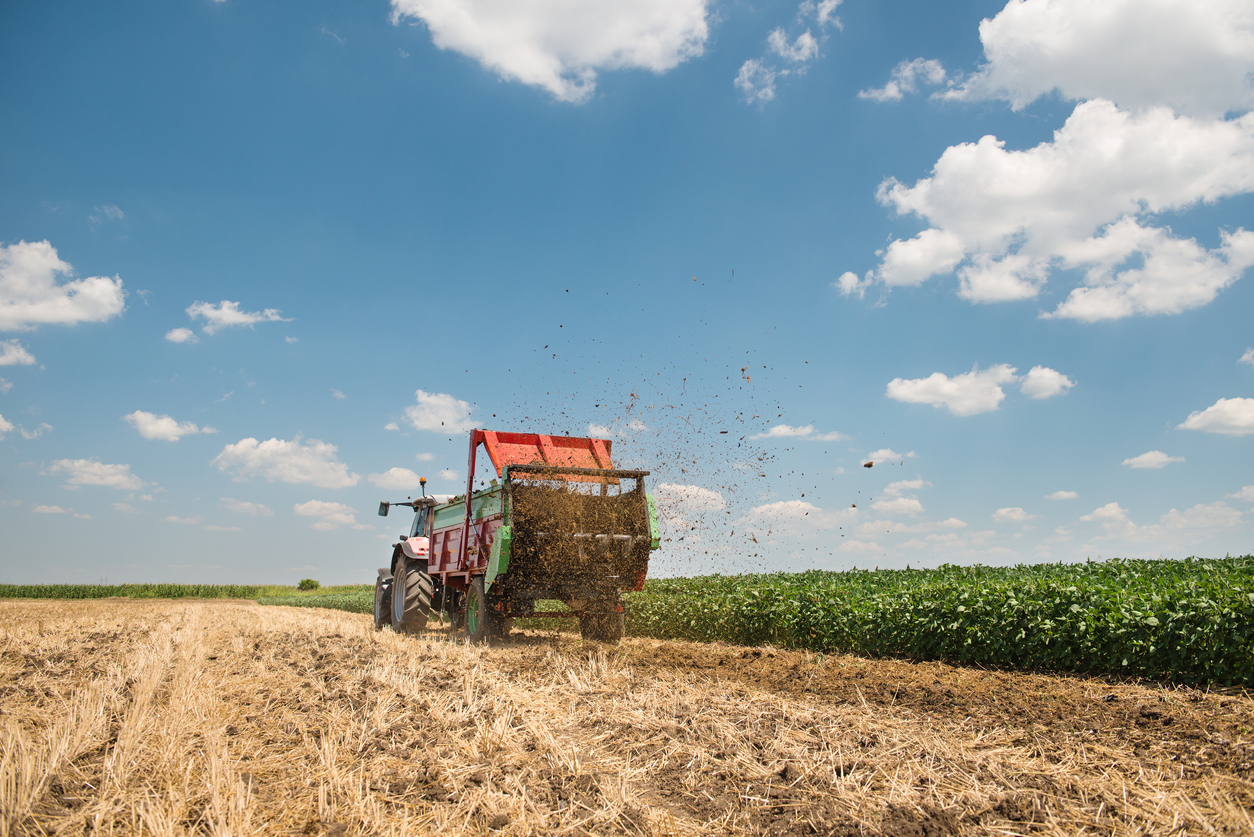
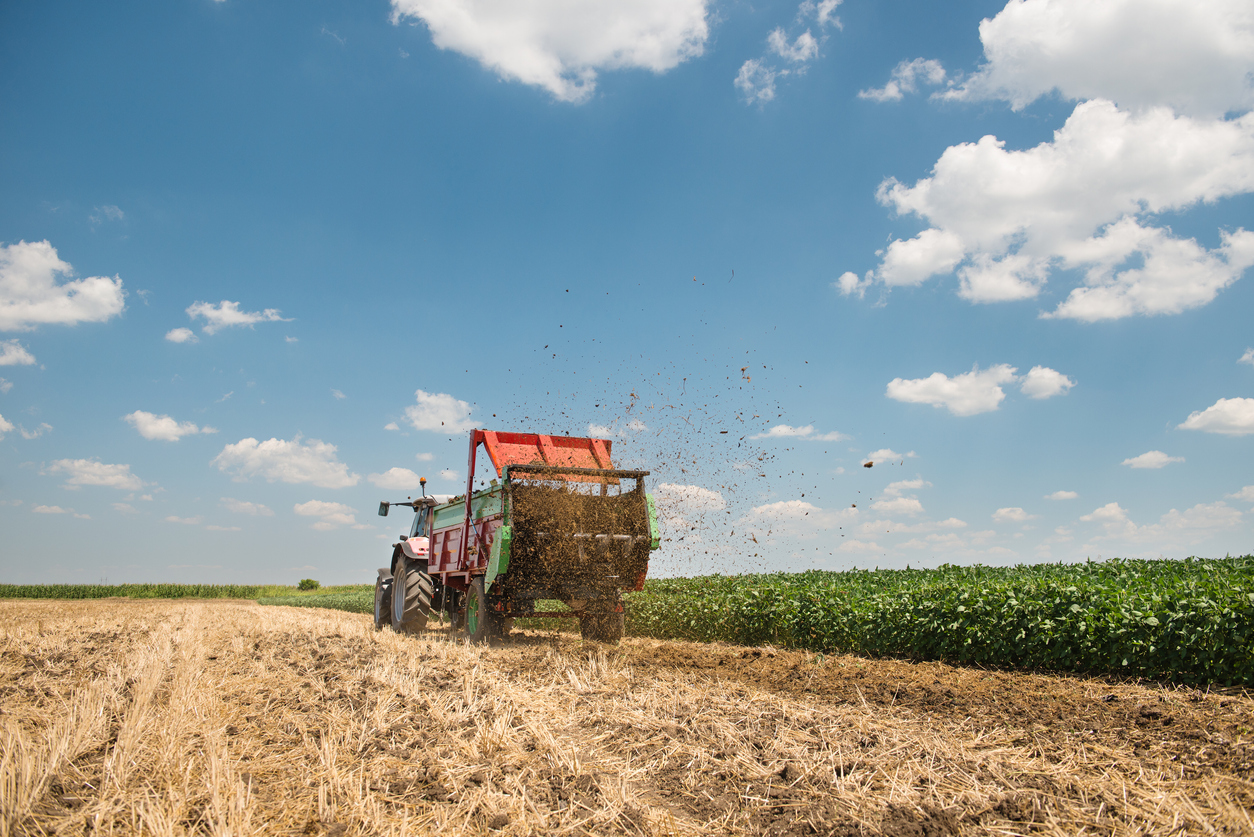
  Manure is a valuable commodity to farmers for its fertilizer value and it beneficial role in feeding soil microbes and plants. As fertilizer prices have moderated, the value of manure has declined\ slightly, but its still a good product for the soil if put on thin with live plants (cover crops) to recycle it quickly. Manured fields on average have a yield increase of 4.4%. That adds value to any farm. To get the best results from manure applications, follow these recommendations Manure should always be tested because nutrients values vary. Take a manure sample close to the date of application to get accurate results. Soil testing is also recommended to avoid over application. Pre-side dress nitrogen tests (PSNT) are commonly taken in the spring or early summer but take these tests close to manure application date. Weather, moisture, soil temperature, and overall soil microbial activity changes PSNT values tremendously. To protect water quality, apply manure based on the phosphoru...
Manure Benefits Soil Health

Image
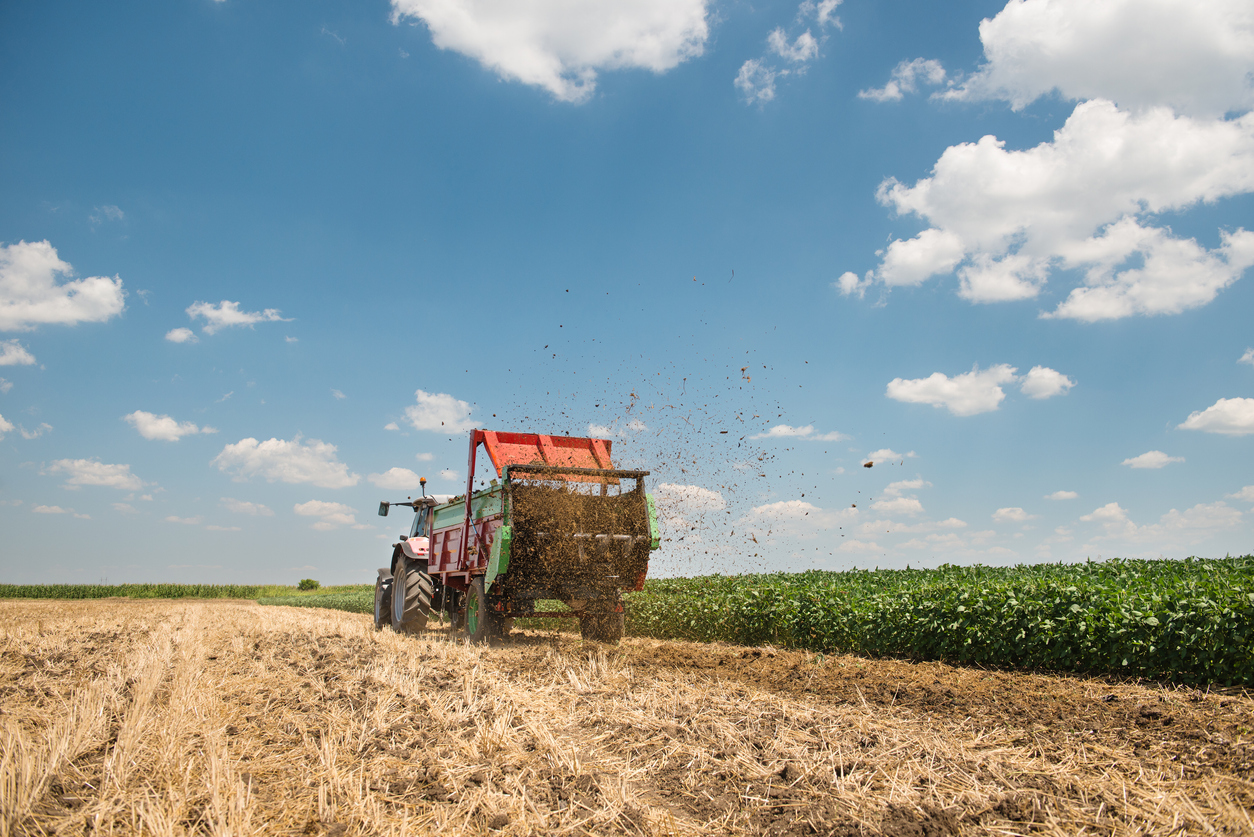
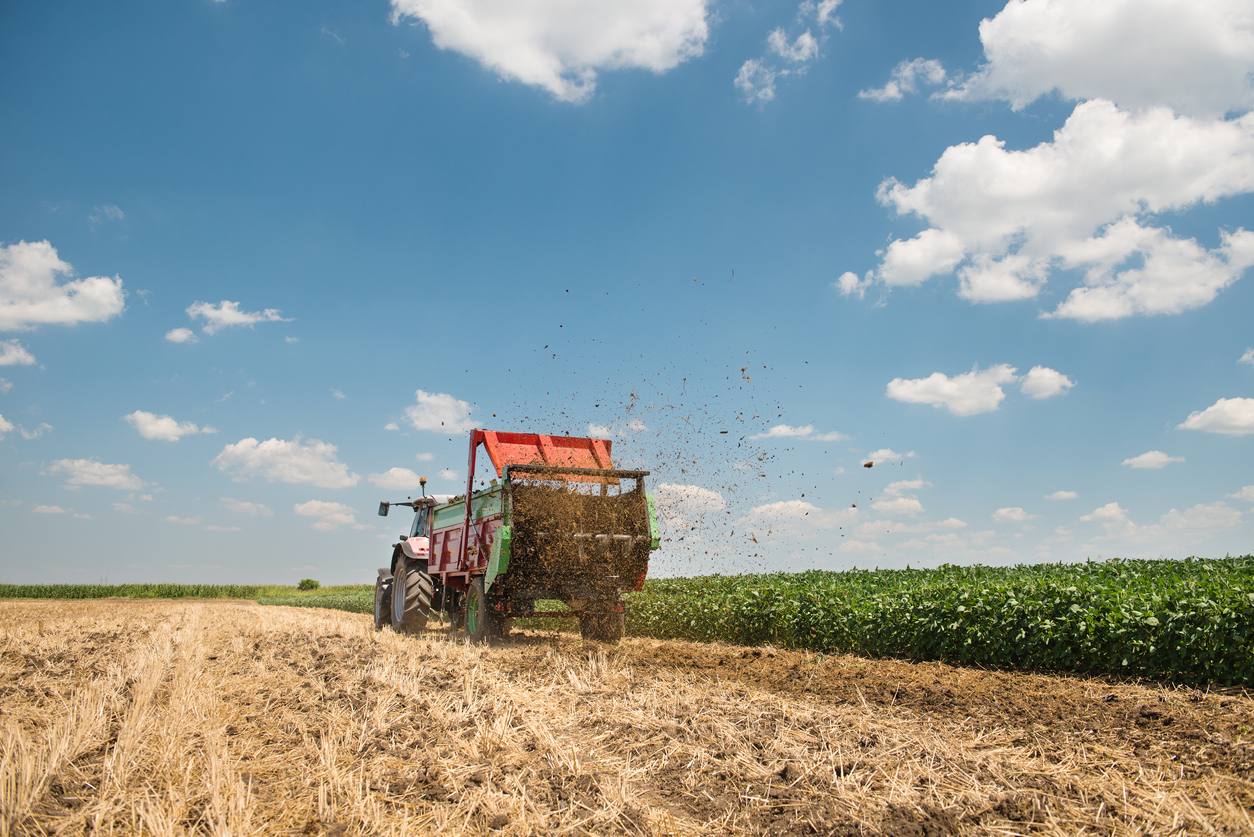
  Manure is a great fertilizer for improving soil health, commonly used before commercial fertilizer. If manure is applied correctly, using the 4R’s (right source, right rate, right time, right place) and proper best management practices, manure greatly improves crop growth and also increases biological activity, leading to improved soil health. Some of the environmental benefits include: increasing soil carbon and reduced atmospheric carbon, reduced soil erosion and runoff, reduced nitrate leaching, and reduced demand for commercial nitrogen fertilizer derived from natural gas. Manure increases soil organic matter because it has nutrients plant require for adequate growth (N-P-K, micronutrients), so plants grow better and faster, producing more roots and crop residue to build soil carbon. Manure consists of carbon residues which the plants can use in the form of carbon dioxide for increased photosynthesis. Adequate soil carbon is limiting plant growth, so manure and carbon may boo...

Value of Manure

Image
Farmers are seeing fertilizer prices soar in 2021 and 2022. Extreme weather, plant shutdowns, sanctions, and rising fuel and energy costs, and high grain prices are driving fertilizer prices higher. Fertilizer prices are at their highest level in more than a decade. Fertilizer prices for nitrogen (N) have soared from around $400 to $450 per ton for anhydrous ammonia (82% N, 1640# N/ton) to currently $1100 or more. The cost per pound of actual N in anhydrous has gone from $.27 to about $.67 per pound. Many farmers use 28% liquid N (560# N/ton) which is safer to use and current costs are around $475 per ton or $.85 per actual pound of N. Phosphorus (P) and potassium (K) prices have also soared. Phosphate fertilizer (60% P, 1200# P /ton) is currently being priced at $829 to $840 per ton or about $.70 per pound. Potassium (K) or potash (60%, 1200# per ton) is at $725 per ton or $.60 per pound. Manure can be an alternative to fertilizer but putting a value on manure is dependent upon how mu...

Manure Incorporation with the Ohio H20 Program

Image
  Livestock farmers have an opportunity to be apart of the Ohio H20 program on manure incorporation. This program pays famers for three years to apply manure to a cover crop or a growing crop in the summer or early fall. The program is designed to encourage farmers to tie up nitrogen or phosphorus in manure to decrease the risk of manure or nutrient runoff into surface water. Keeping nutrients and manure on the land and out the water helps to keep our water clean to drink (after treatment), and is good for recreational activities like swimming and fishing. For farmers to get state funding, the local soil and water conservation district (SWCD) needs to approve a mandatory nutrient management plan for each farm. When manure is applied, the local SWCD needs to be notified within 24 to 48 hours. Every farm needs to follow the recommended setback distances and apply manure based on Ohio NRCS 590 standards. Before manure is applied, get a copy of the weather forecast for day of applicati...

Manure and Cover Crops

Image
Many livestock farmers who are being compensated by the H2O Ohio program may be looking for guidance on planting cover crops. NRCS Appendix A (Cover Crops) is your best guide for cover crop seeding methods, planting dates, and planting rates. Contact your local Soil and Water Conservation office or local NRCS representative for additional questions. What should your cover crop accomplish if you are applying fall manure? First, a live plant that survives the winter and absorbs nitrogen, phosphorus, and reduces soil erosion. Fibrous fine roots systems are better than tap roots which may allow manure nutrients to leach into tile or surface water. The cover crop should be easy to kill, and it’s a bonus if it can be used for forage (but not allowed under the H2O Ohio program rules). Generally, grass cover crops with fibrous fine roots absorb manure nutrients the best. Legumes and clovers make their own nitrogen and readily absorb free nutrients but are generally a little less efficient at a...