Posts

Showing posts with the label corn residue

Corn Bushels and Crop Residue
Image
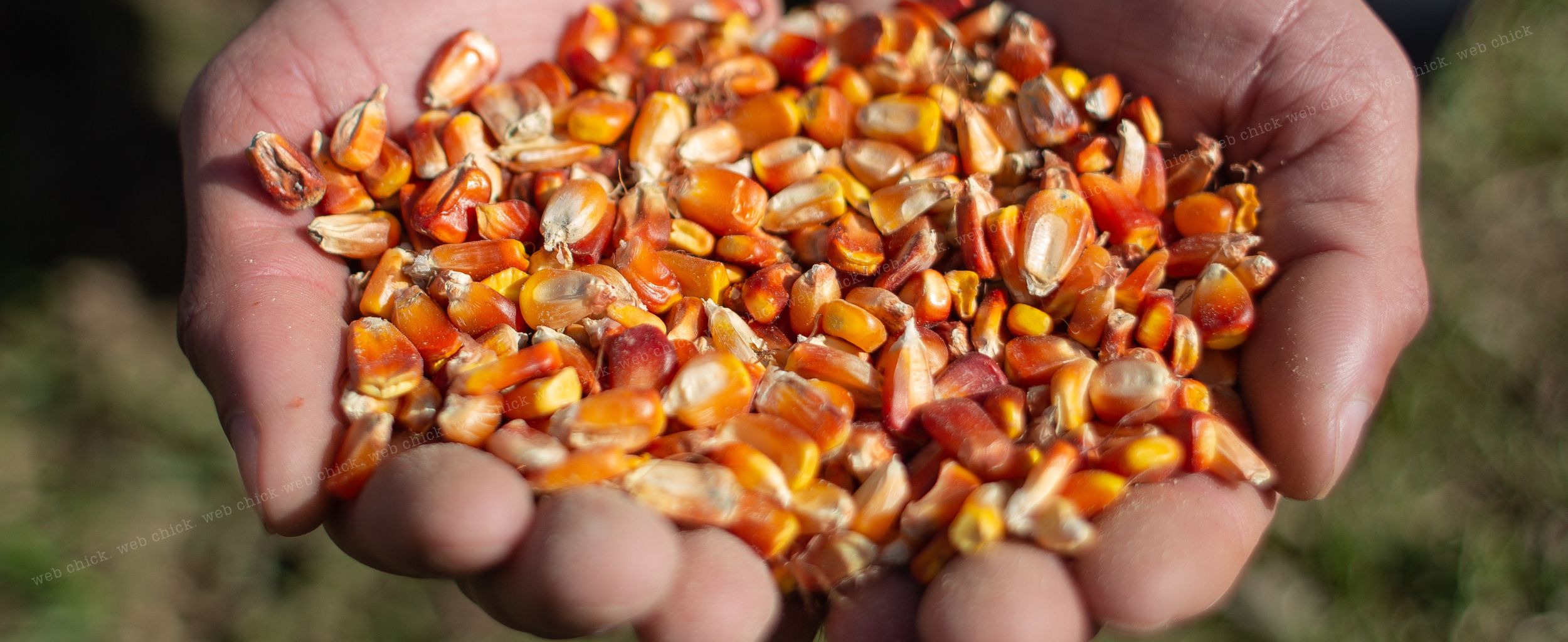
Dr. Connor Sible, University of Illinois recently shared research on corn yields and corn crop residue. As corn matures, corn puts energy into creating kernels of corn. However, to make corn kernels, it takes roots, stalks, leaves, tassels, and cobs. Dr. Sible’s research shows that higher corn yield resulted in higher corn crop residue, which seems logical.  Dr. Sible reports every bushel of corn results in 43.7# of corn crop residue. For 200-bushel corn, that’s 8,740 pounds or 4.37 tons/acre of corn residue; for 300-bushel corn, 13,110# or 6.6 tons/acre. Most farmers struggle to get their crop residue to degrade, and as crop yields increase, so does the corn crop residue. Dr. Connor Sible and Dr. Fred Below are striving to get 300-bushel corn. Dr. Sible finds that weather contributes 2-ton residue/Acre, soil fertility (2 Ton), corn hybrid selection (1.1 ton), corn population (8 ton) with lesser amounts attributed to crop rotation (.4 ton), type of tillage (.3 ton) and biological f...
Breaking Down Corn Stalks

Image
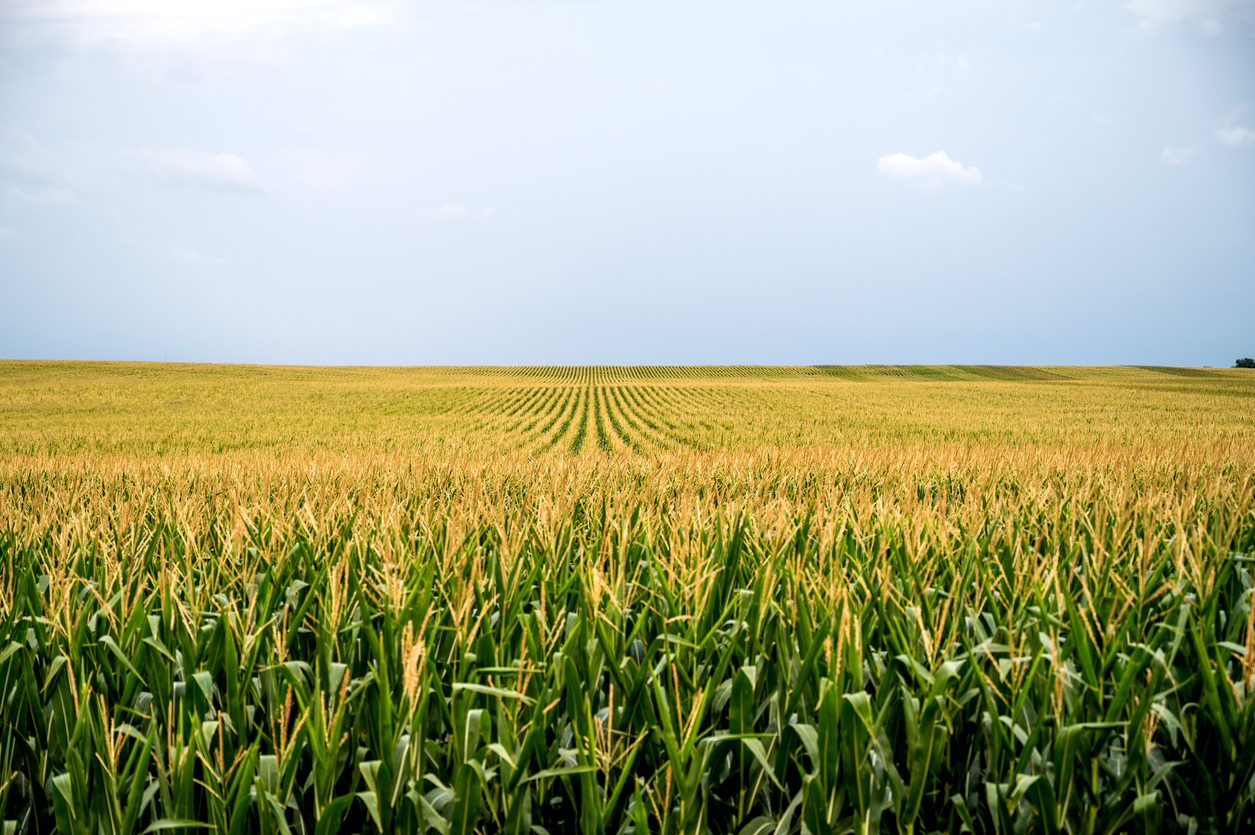
  A common farm problem is how to get corn stalks to break down. Many environmental and soil conditions affect residue breakdown including air and soil temperature, moisture, oxygen, biological activity (microbes and arthropods (shredders)), and different farming practices. Tillage and the addition of fall nitrogen after harvest are common practices that farmers use to speed up residue breakdown. Some farmers feel that the GMO (genetically modified) corn residue is also much slower to break down. Iowa State University (Dr. Madhi Al-Kaisi) conducted a 3-year trial to test how corn stalks break down. ideas. Researchers used both Bt (Bacteria Thuringiensis) and Non Bt or Non-GMO corn varieties and evaluated three tillage systems: deep tillage, strip till, and no-till systems for three years, in the field and under controlled laboratory conditions. After 12 months in the field, they found no significant differences between Bt and non Bt corn and no differences between tillage system in...