Posts

Showing posts with the label Biological-Nutrient

Fall Nutrient Management

Image
  Crops flourish and grow quickly in the spring. The first cutting of hay may be 50% higher than any other cutting. It’s not just due to more water. Increased spring growth comes from plant available nutrients (PAvN) from dormant microbes. Usually, this spring flush lasts 30-45 days, but with good management, this growth (and yield) flush may last all summer. However, it starts with fall nutrient management. All soil nutrients are part of a biological system. Each element is like a component or part in an engine. If one component is lacking or missing, the engine may not run as well or even stop running. Soil nutrients, especially micronutrients, are the activators to many biological processes. Over the winter; microbes release nutrients when they die, are consumed by others, but also when they are active. Plant available nutrients (PAvN) include many elements. The major positive charged elements called cations include ammonium (nitrogen), potassium, calcium, magnesium, and even so...
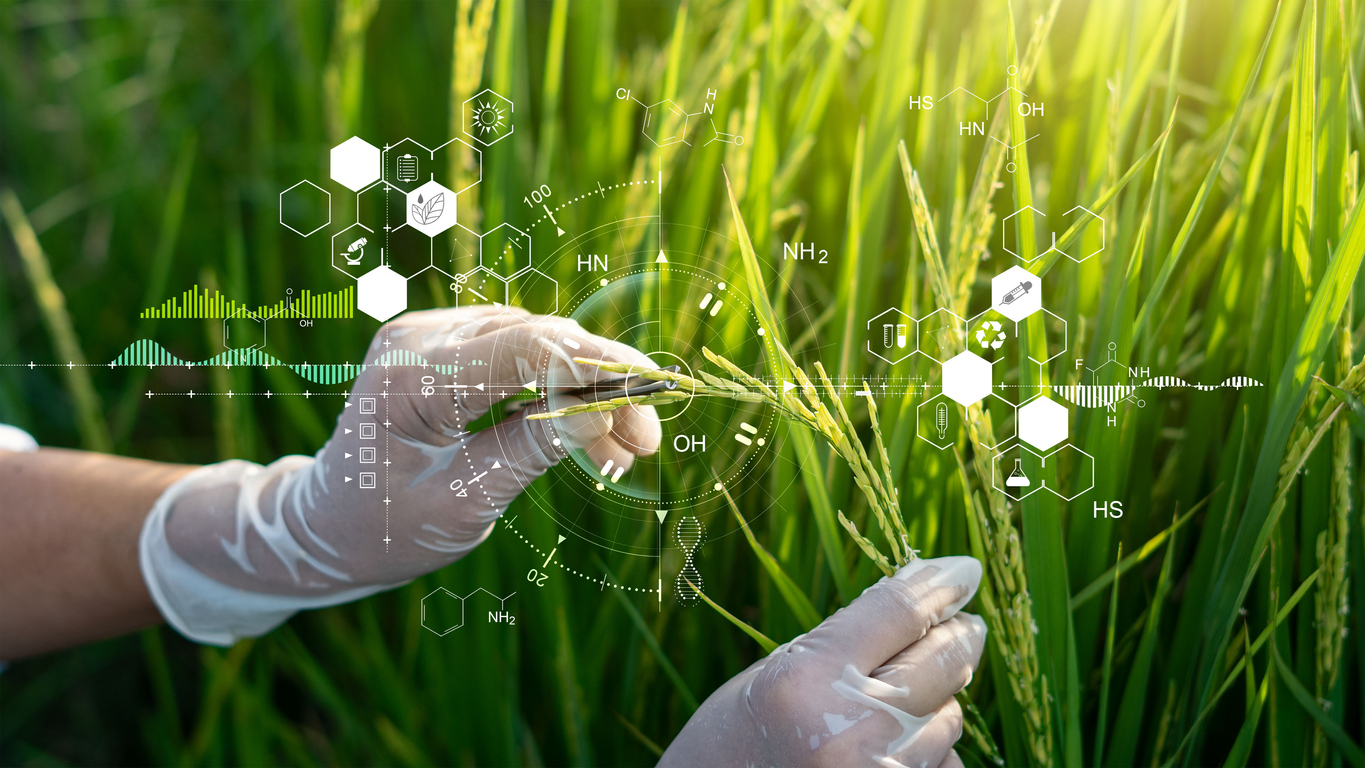
Biological Nutrient Uptake

Image
  Regenerative farming practices emphasize nutrient uptake from soils through natural soil biological cycles. This ecologically‐based agricultural approach uses microbes and carbon compounds to produce crops naturally rather than relying entirely on highly soluble “salty” nutrient inputs for plant nutrition.  Before commercial synthetic fertilizer, historically, soil microbes provided about 80% of soil nitrogen (N) through the efficient process of microbial N fixation. However, soil compaction and over‐use of nitrogen fertilizers are having a negative impact on N fixing microbes. For the first time, the total fixed N supplied by microbes is less than the amount of applied synthetic N from fertilizer. Excess salt based or soluble fertilizer is disrupting the natural soil balance. Soil microbe interact with plant roots and soil minerals to releases plant nutrients from soil minerals. Biological release of plant nutrients has far greater potential for plant mineral uptake than re...