Breaking Down Corn Stalks
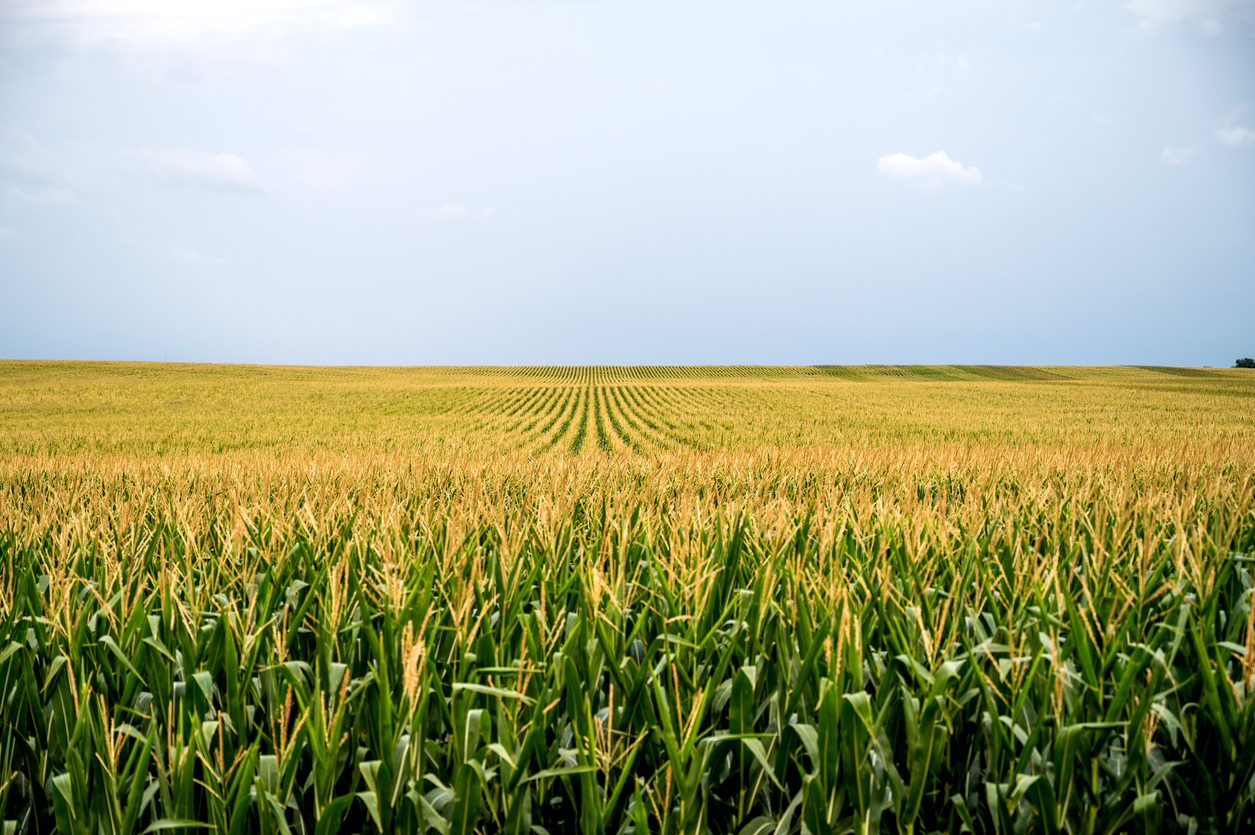
A common farm problem is how to get corn stalks to break down. Many environmental and soil conditions affect residue breakdown including air and soil temperature, moisture, oxygen, biological activity (microbes and arthropods (shredders)), and different farming practices. Tillage and the addition of fall nitrogen after harvest are common practices that farmers use to speed up residue breakdown. Some farmers feel that the GMO (genetically modified) corn residue is also much slower to break down. Iowa State University (Dr. Madhi Al-Kaisi) conducted a 3-year trial to test how corn stalks break down. ideas. Researchers used both Bt (Bacteria Thuringiensis) and Non Bt or Non-GMO corn varieties and evaluated three tillage systems: deep tillage, strip till, and no-till systems for three years, in the field and under controlled laboratory conditions. After 12 months in the field, they found no significant differences between Bt and non Bt corn and no differences between tillage system in...