Posts

Showing posts with the label pests

Improved Nutrition Decreases Pests

Image
  New University of Florida research shows that healthy plants with high levels of nutrients resist plant pests. As farmers get ready for spring planting, applying fertilizer enhances plant growth, yield, and reduces pests. Dr. Arnold Schumann outlines benefits certain nutrients give to plants to fight various fungus, bacteria, and viral diseases. In general, nutrient and pathogen relationships are quite complex. Pathogens (disease organisms) alter the plant’s ability to take up nutrients, how they transport them, how they are used etc. Often, pathogens damage the roots, stems, and leaves so that the plant cannot produce a crop. Sometimes pathogens tie up nutrients or damage the vascular system for moving nutrients around in the plant. Secondary infections often occur and sick plants attract insects that also damage the plant. Keeping plants healthy includes creating nutrient-rich food which is also beneficial for livestock and human health. Most people think of nutrients as plant...

Pests & Disease Outlook

Image
  The 2025 winter weather has been colder than most years. Temperatures in the teens and single digits have caused the soil to freeze deep. While this may reduce some insects and pests, it can also harm wheat and hay crops. How deep the soil freezes depends on the amount of snowfall received. Snow acts as a natural insulator, blanketing the soil and preventing deeper freezing. This year, the northern part of Ohio received less snow than some areas to the south. Reports from Toledo indicate significantly less snowfall than counties further south. Snow prevents wind from desiccating crops like wheat, barley, hay (alfalfa, red clover, etc.), and cover crops. Several northern farmers are already reporting wheat and barley damage. Cover crops may also suffer, and as thawing begins, expect damage to the crowns of hay crops, especially alfalfa roots, which tend to heave—just like fence posts. Slugs and voles tend to decrease in cold winters, with cycles occurring every 2-5 years. During d...

Controlling Common Pests

Image
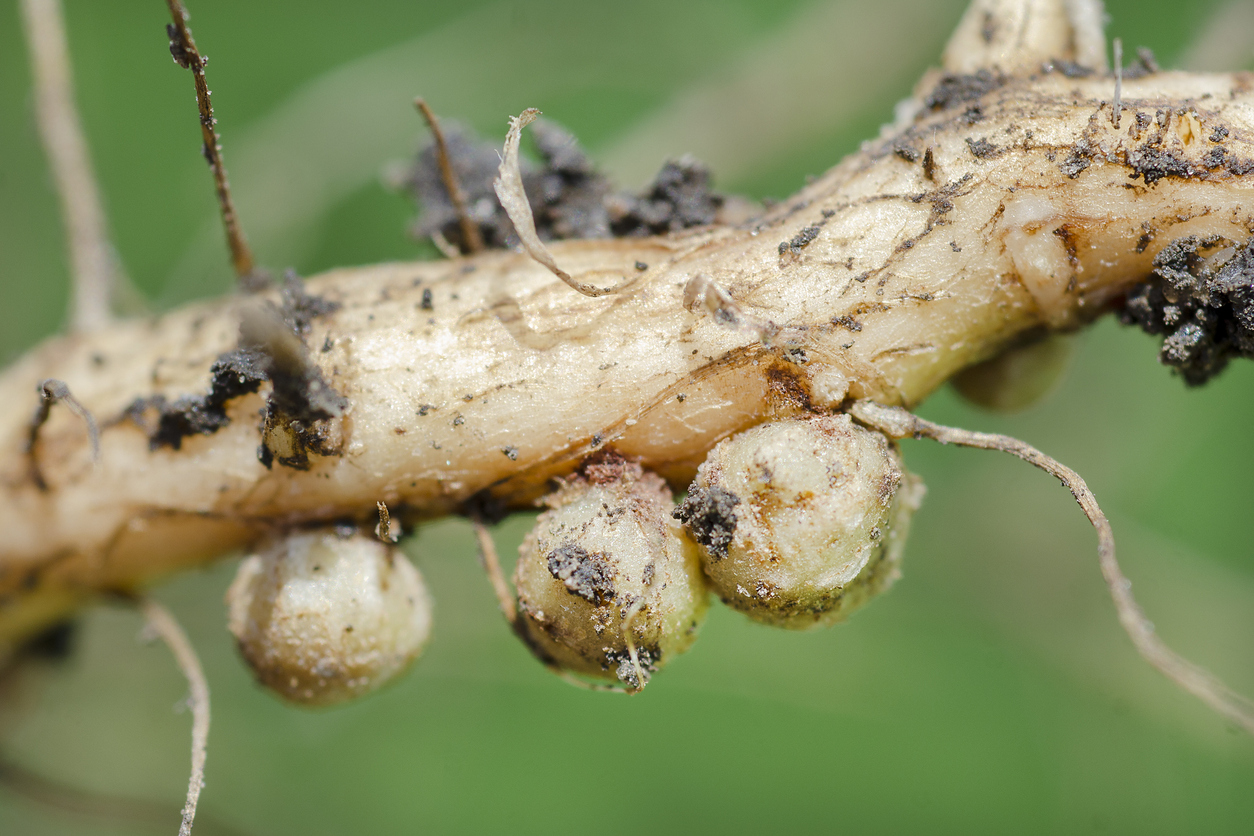
  This year a common question is how to control common insect pests of crops and vegetables, a task that is becoming more difficult. Farmers who use seed treatments and broad-spectrum insecticides to terminate pests generally also terminate the beneficial natural predators. Some common Ohio corn and soybeans pests include soybean cysts nematodes, stink bug, wireworm, seed corn maggot, black cutworm, and true armyworm. Soybean Cyst Nematode (SCN) damage soybean roots and has six life stages, 3-4 weeks apart. Soybean damage looks like stunted yellow soybeans, generally in circular or oval areas where SCN egg populations are high. There are numerous predators to SCN including Endo parasitic fungi, predatory nematodes, mites, Collembola (jumping springtails), Enchytraeids (pot worms), rove beetles, and centipedes. Cover crops like cereal rye and annual ryegrass planted early in the fall when soil temperatures are above 500F may reduce SCN levels 60-80%. The invasive brown marmorated st...

Corn Insect Pests

Image
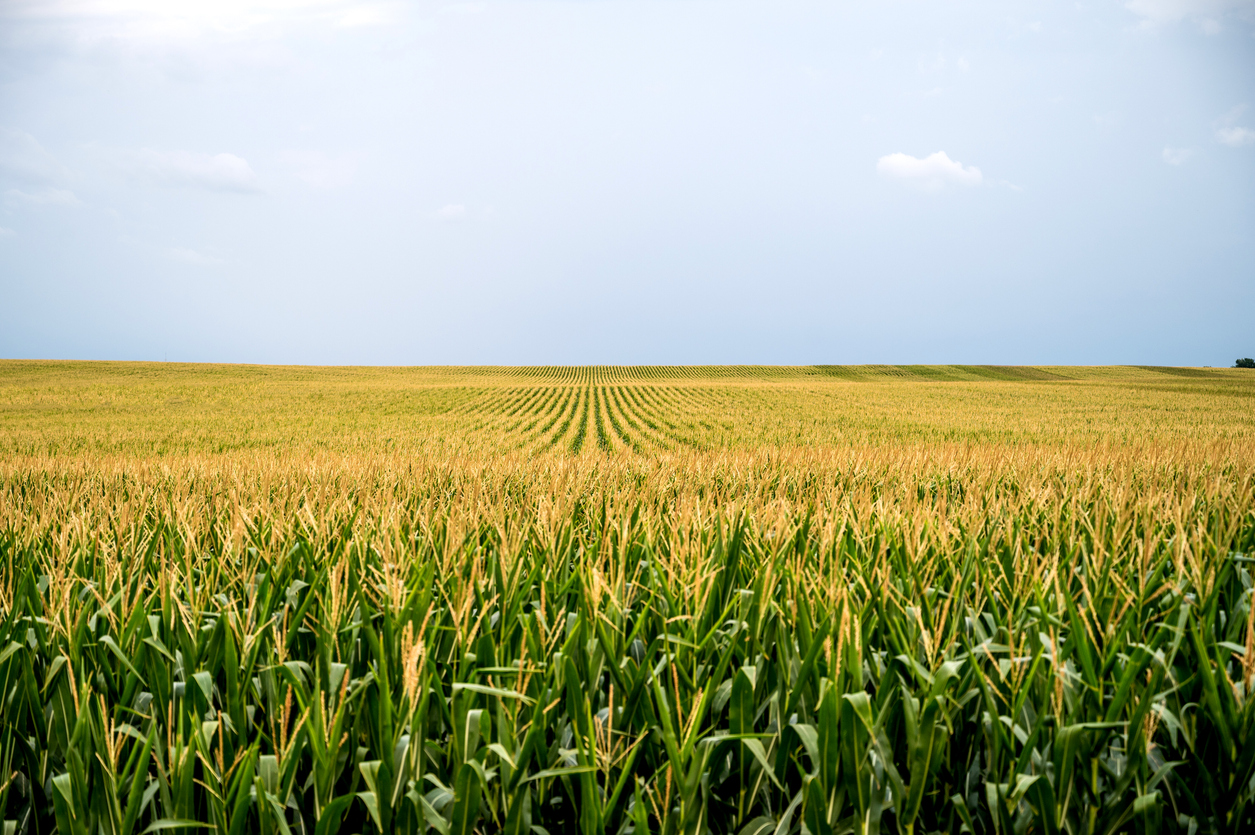
  The 2022 La Nina weather pattern is expected to bring above average precipitation to Ohio and the Great Lakes Region along with stronger and more hurricanes. Since many insect pests are carried by hurricanes northward, farmers can expect higher insect infestations this year. Some insect pests over winter, and they are also around in higher numbers. A cool, wet spring slows down crop growth and insects love to feed on slow weak growing plants. Black Cutworm and armyworm are larvae that damage crops. Several species of moths lay eggs that form cutworms and armyworms in Ohio. They generally have 1-2 generations per year depending on the species. Adult flights occur at different times through the growing season. They have 4 stages in their life cycles: eggs, larvae or caterpillars which damage crops, pupae, and adults. Some overwinter as partially grown caterpillars, others as pupae in soil, while others migrate as moths from the south. Paper wasp, ground beetles, and lighting bugs a...

Soybean Pests

Image
  Many pests and diseases are rearing their ugly head this year. Fall armyworm, aphids, soybean cyst nematodes (SCN), sudden death syndrome (SDS), and white mold are common problems. Weather and management play a key role in the severity of these pests. Fall armyworm blow in from the south, most likely on tropical storms. Each female moth lays 10-20 eggs up t 100 eggs which hatch in 5-7 days and live 7-21 days. Eggs have been observed on fence posts, lawns, hayfields, corn, soybeans, and vegetable crops. The eggs hatch and the hungry larvae or caterpillars tend to move in waves, consuming everything in sight, even sometimes their own kind. There are two natural predator wasps that help control fall armyworm. Other options include bacillus thuringiensis (Bt) which is a natural control, neem oil, and pyrethrin insecticides. Aphids in soybeans are a problem especially during the reproductive stage (R5-R6) with an aphid threshold of 250 per soybean plant. Check 5 plants in 10 locations...

Fall Slug and Vole Control

Image
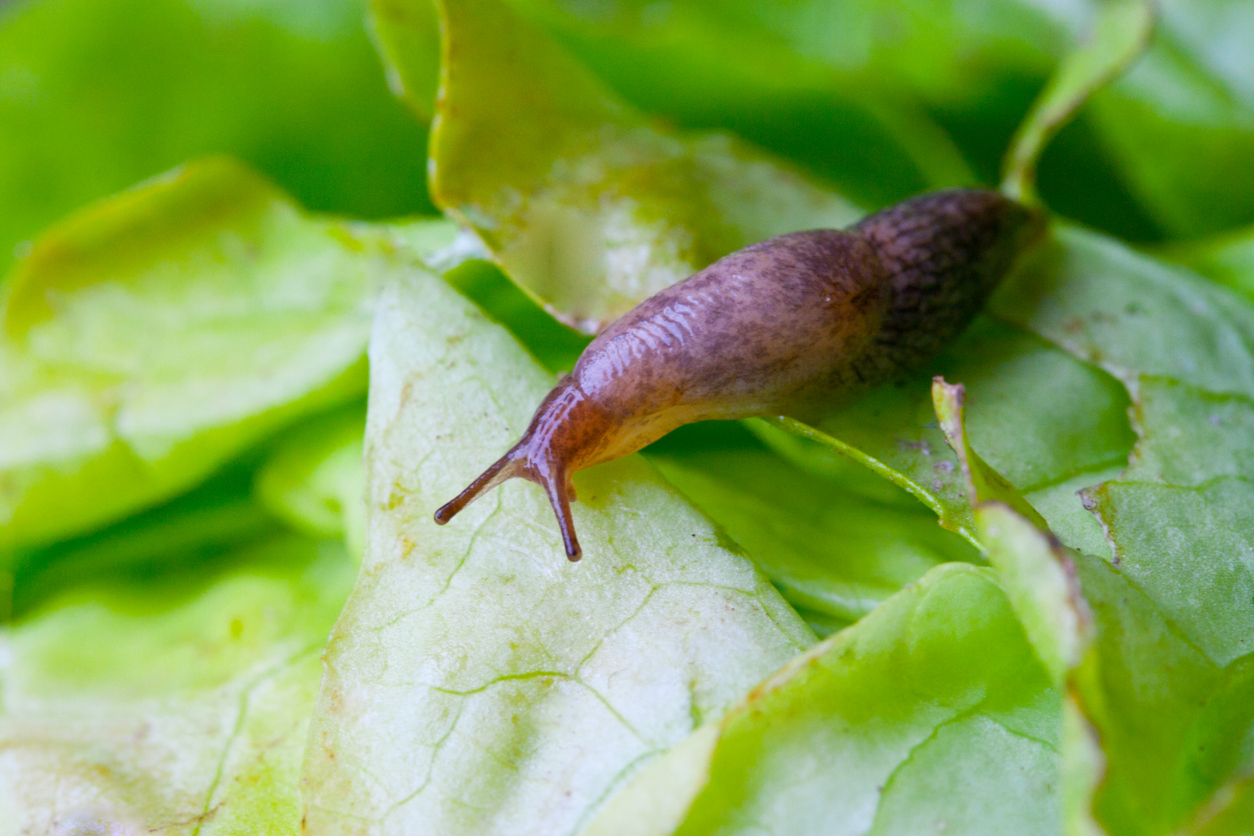
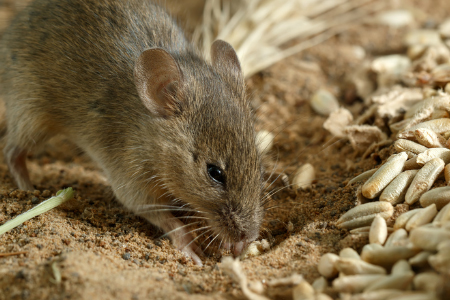
  Slugs and voles are becoming major problems on some farms. One farmer lost 80 acres to slugs, another 40 acres. Slugs and voles prefer moist, wet conditions, slow crop growth, and lush vegetation. Unfortunately, there is no one management practice that reduces either pest. It requires a coordinated attack which begins in the fall as grain crops are being harvested. Both slugs and voles have several weaknesses. First, their populations are cyclical, peaking and crashing about every 2-5 years. Extremely cold winter weather with little protection, greatly reduces both pests. Slugs burrow deep into the soil, but when the soil frost line meets the water table during a deep freeze, many slugs perish. Voles do not hibernate but need 40% more energy in the winter to survive. Cold weather without snow or heavy vegetation greatly reduces pest numbers. Mowing a cover crop down to 8 inches or planting species that 50% winter kill helps reduce pest populations. Mowing reduces cover (insulatio...

Discovering How Cover Crops Impact Cropland Habitat for Pests: Voles, Slugs, and Other Pests

Image
This webinar will focus on how cover crops can create habitat for pests like voles and slugs. It is Part 1 of a 2 part series. Pest problems like voles, slugs and army worms tend to be cyclical in nature and can have dramatic impacts when there's an outbreak. Understanding the role that cover crops and no-till can play in creating the conditions for these pest to thrive can help producers make management decisions. This webinar is first of a two-part series dealing with managing cover crops and tillage to minimize pest problems. The specific mention of product names is provided for informational purposes only and does not imply endorsement of these products or the companies that make them by USDA. This webinar will focus on how a producer can manage their cover crops and no-till systems to reduce pest problems, e.g. voles and slugs. This webinar is the second in a series to help producers and conservationists determine what can be done to manage the habitat of potential pest. Timin...