Posts

Showing posts with the label tillage

Understanding Biologicals
Image
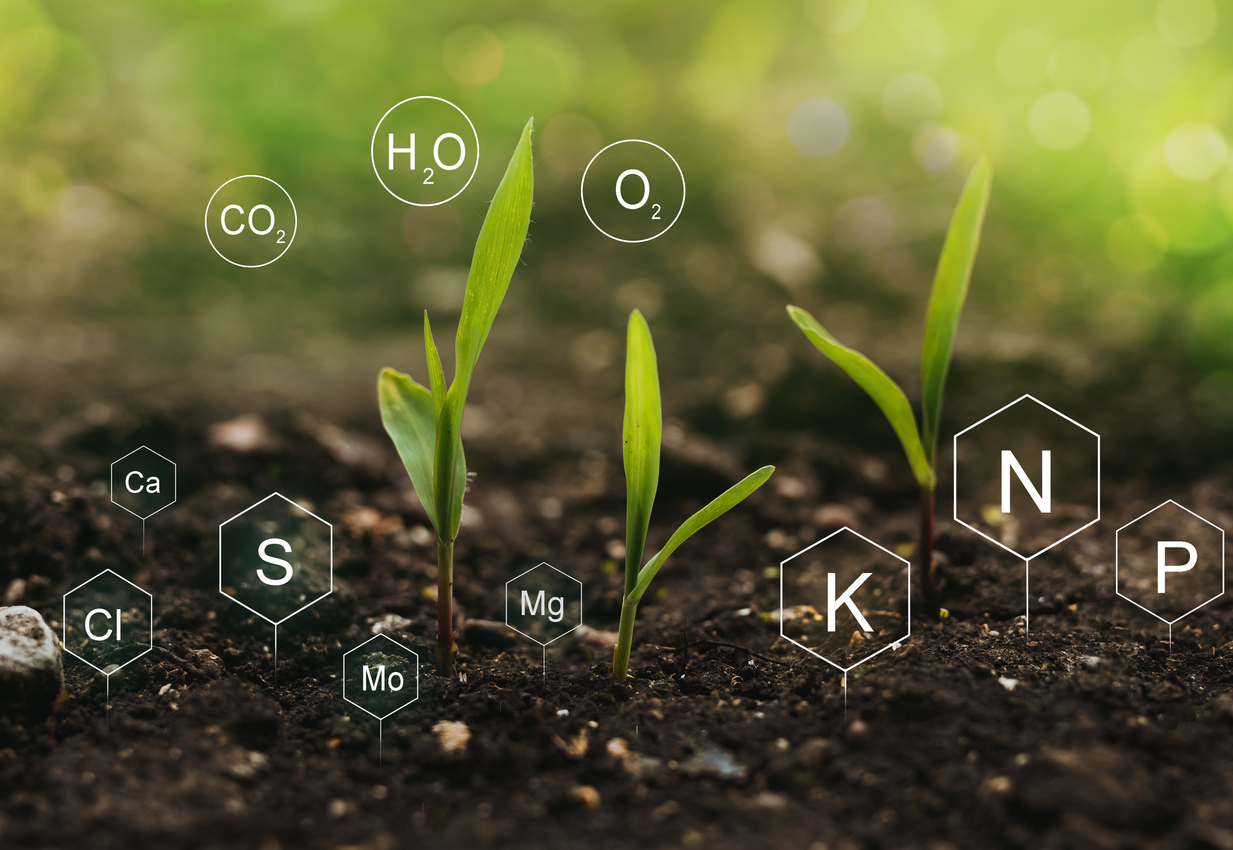
  Biologicals may be the next revolution in farming. Biologicals are natural products, either living or chemical by-products, that benefit crop production. Chemical by-products include minerals, organic materials, and plant extracts. Many snake oil type products exist on the market and it is difficult to separate out good products from bad. Dr. Jane Fife, 3 Bar Biologics outlined the use of biologics at the Conservation Tillage Conference. A number of bio-stimulants and bio-fertilizers decrease many environmental stresses like drought, high or low temperatures, and soils with high salts. Many products also improve the plant’s ability to recycle soil nutrients and speed up biological processes. The problem with many biologicals is that they are not highly regulated yet but bioinsecticides are regulated. A common example is Bt (Bacillus thuringiensis) which is a registered and regulated bioinsecticide. Other substances can be living or nonliving and have been harder to regulate. Most...
Fall Tillage and Soil Compaction

Image
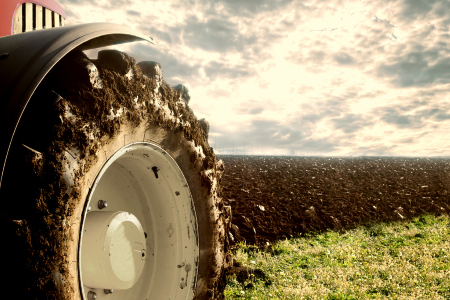
Agricultural field practices seem to be like our national politics, very much divided. Maybe 25% more fields planted to cover crop due to H20 Ohio funds. On the other hand, there appears to be more vertical tillage, chisel plowing and plowing. Green fields surrounded by bare fields. The wet fall weather, soggy soils, and tillage has created hard pans and poor soil structure. Perhaps winter freezing and thawing will mellow out our soils but tilling soils wet almost always creates more problems; especially with soil compaction, drainage, and soil structure. Farmers have many reasons for fall tillage. Eliminating ruts, burying diseased plant residue, and burying weed seed are common explanations. Stale seed beds (light fall tillage) create spring soil conditions for good seed to soil contact and slightly warmer soils which allow plants (especially corn) to germinate quickly. Corn is a warm season plant that also benefits from nutrients released during tillage. Soybeans and even wheat are ...

Tillage is Like a Drug Addiction

Image
  Tillage is Like a Drug Addiction By James J. Hoorman “Strangely enough, they have a mind to till the soil and the love of possessions is a disease within them.” Sitting Bull Civilization and the world population started increasing when humans began growing their own food to feed themselves and their livestock rather than pursuing and hunting wild game. The first human cultivation of crops probably was no-till, requiring very little cultivation. The first crops for human consumption may have been with a stick to create a hole and a seed bed for a kernel of grain. With time, our early human ancestors used livestock to speed up the planting of crops. Tilling the soil had many early advantages. Tillage killed the weeds (short term) and reduced the competition for water and nutrients. Tillage increased seed to soil contact and helped with seed germination. Tillage also aerated the soil and increased the mineralization and release of soil nutrients and resulted in increased crop yields...