Posts

Showing posts with the label soilhealth

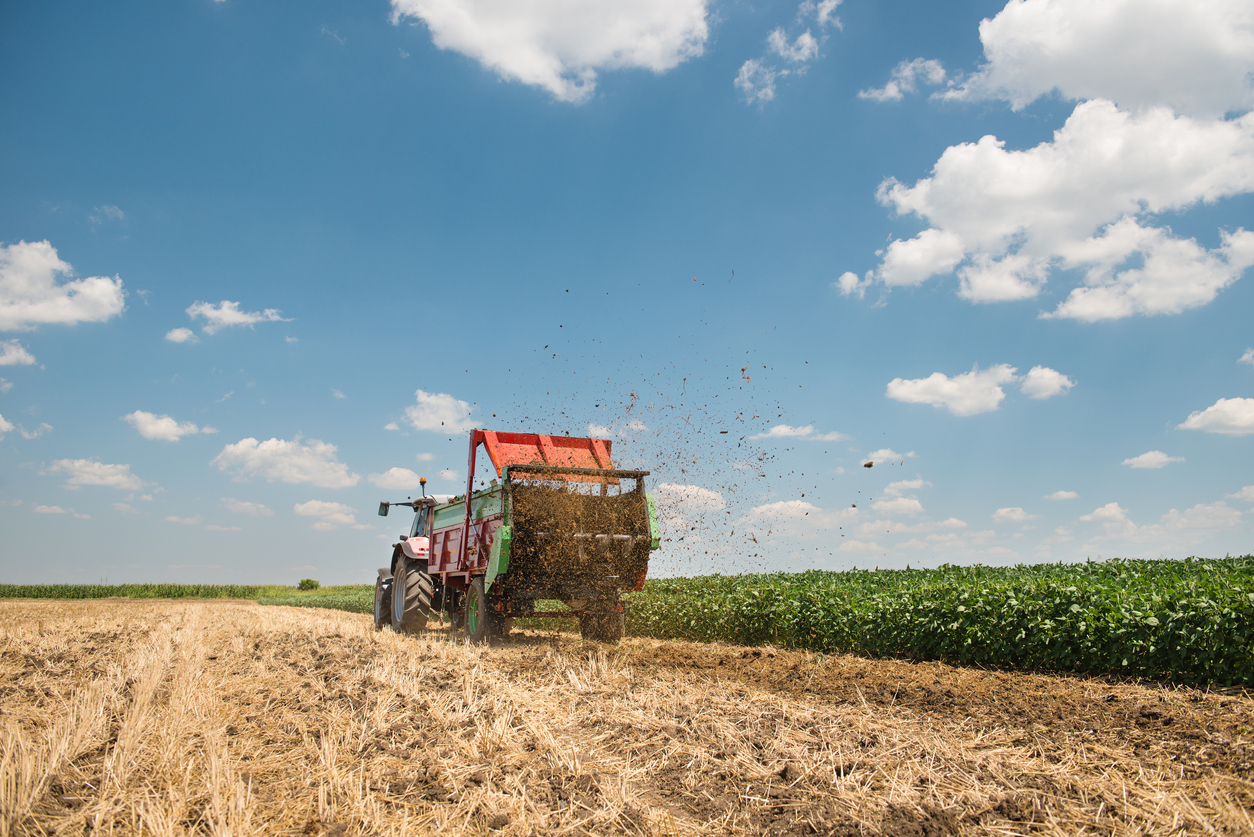
Manure Benefits Soil Health
Image
  Manure is a great fertilizer for improving soil health, commonly used before commercial fertilizer. If manure is applied correctly, using the 4R’s (right source, right rate, right time, right place) and proper best management practices, manure greatly improves crop growth and also increases biological activity, leading to improved soil health. Some of the environmental benefits include: increasing soil carbon and reduced atmospheric carbon, reduced soil erosion and runoff, reduced nitrate leaching, and reduced demand for commercial nitrogen fertilizer derived from natural gas. Manure increases soil organic matter because it has nutrients plant require for adequate growth (N-P-K, micronutrients), so plants grow better and faster, producing more roots and crop residue to build soil carbon. Manure consists of carbon residues which the plants can use in the form of carbon dioxide for increased photosynthesis. Adequate soil carbon is limiting plant growth, so manure and carbon may boo...

Fertilizer Stratification

Image
  Fertilizer stratification occurs when a farmer surface apply soil nutrients like phosphorus (P) and potassium (K) without doing any tillage. Deep tillage (plowing 6-8 inches deep) generally moves and mixes surface applied nutrients down about 3-4 inches, or roughly 50%. Some farmers worry that nutrients applied at the surface will not be plant available. Marion Calmer, an experienced no-till farmer and researcher in Illinois, found that roughly 54% of his P and 43% of his K was found in the top 2 inches of his soil. Since he plants corn 2 inches deep, many nutrients were above his corn roots. In dry weather, he was seeing stunted corn and nutrient deficiencies (P deficient purple corn). For every $1 in fertilizer (P & K) applied every year, he got back about $.40 in additional corn yield. He had been applying commercial fertilizer for 30 years to his no-till fields by surface applying nutrients. When he started checking with soil test every year, he found that he was gaining ...

Roundup: Friend or Foe

Image
  Roundup or glyphosate (RR) is the most common agricultural herbicide used to kill broadleaf and grass weeds. In the USA, 280 million pounds of RR annually is used on about 298 million cropland acres. Worldwide, about 19 billion pounds RR (almost 10 million tons) have been applied since 1974. Roundup (RR) is a common generic name for glyphosate but it also called Rodeo, KleenUp, Accord, Imitator, Eraser, Pronto, Touchdown, Cornerstone, Buccaneer etc. The USA is the biggest user of RR in the world. Since many crops have been genetically modified to tolerate RR, it is commonly used on corn, soybeans, canola, sugar beets, cotton, and alfalfa. But it is also used as a weed burndown or to terminate cover crops before crops are planted or emerge including wheat, oats, sunflowers etc. Glyphosate (RR) is used almost everywhere because it kills most weeds effectively and cheaply. Over time, many weeds have become weeds resistant to RR because of over usage. Weeds are very resilient and oft...

Beneficial Bacteria Biologicals

Image
  Biologicals are simply live microbes that perform many important soil and plant functions. Some microbes are biofertilizers (microbes that improve plant nutrition); biopesticides (microbes that control or kill pathogens, insects, other pests); others produce plant growth hormones or help plants survive environmental stresses (drought, temperature, soil pH, wet soils) etc. Biologicals are starting to become more common as farmers learn how to take advantage of the benefits they supply, especially in healthy soils and plants. Farmers have inoculated legumes and clovers with bacteria to fix nitrogen (N) in nodules. Now farmers can inoculate plants for bacteria that are free living and also supply N to all plants. There are at least 200 strains of bacteria that are known to live inside plants and around plant roots. With the new discovery of rhizophagy (plant roots eating bacteria for nutrients and growth), applying biologicals may soon be a common practice. Corn (C), Soybeans (S) an...

Drought Pre-Planning

Image
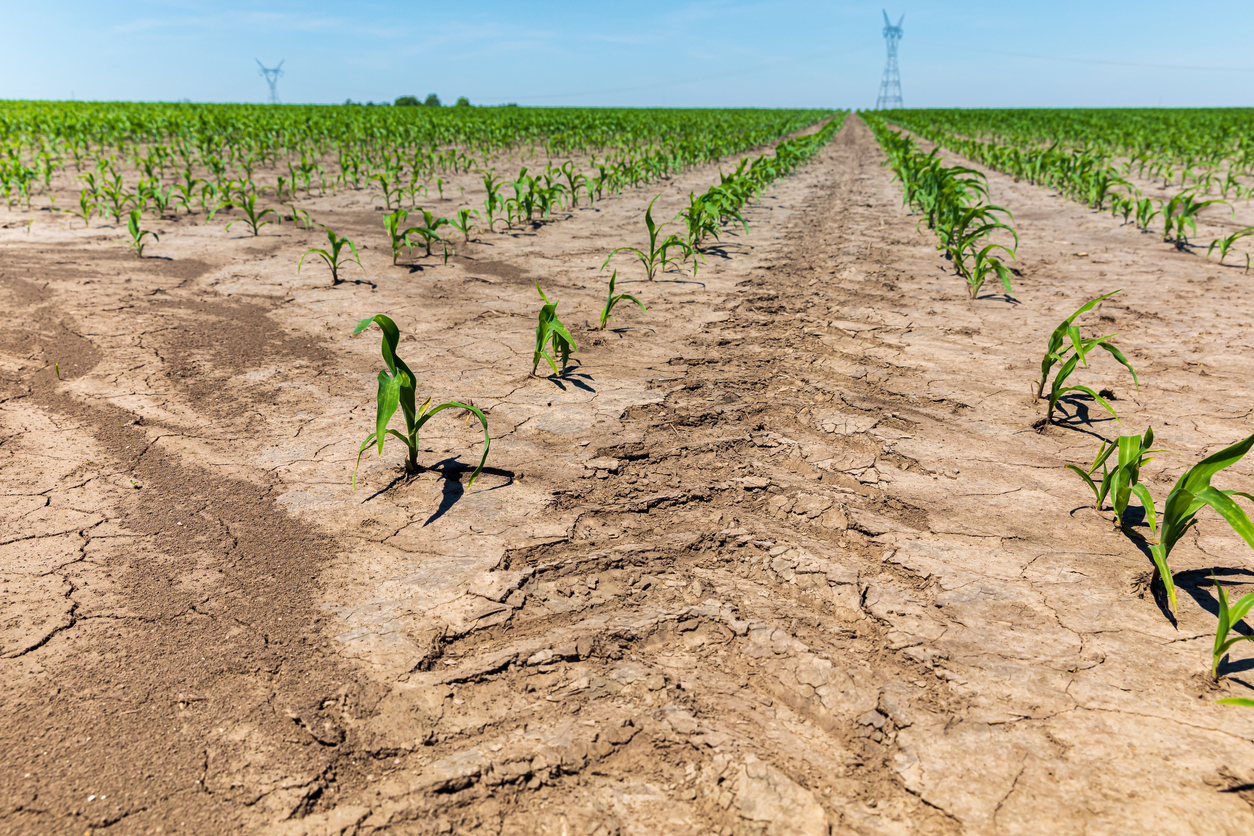
  Farmer’s fear drought which leads to reduced crop yields and profits. Worldwide, drought is affecting a number of countries: China, Argentina, European countries, and the USA. California, Arizona, Texas, Kansas, and Oklahoma have experienced severe drought soil conditions this year. The Midwest is dry and experiencing drought problems, especially the Mississippi river with reduced barge traffic. Most farmer’s want to know what is the probability of a drought next year? Currently, a strong La Nina for the past 3 years is transitioning to a El Nino, perhaps by late Summer 2023. In most cases, strong El Nino’s signal an increased probability of a drought in the Midwest. Coupled with La Nina and El Nino ocean currents, there are increased solar flares and sun spot activity expected to peak by 2025. While droughts are hard to predict, the probability of dry soil conditions or a drought in the next couple of years. If you knew a drought was coming, how would you change your farming pra...

How No-Till Improves Land Values

Image
  No-till Farmer (farming magazine) recently put together a report: How No-till Improves Land Values. This report put an economic value on conservation farming practices that improve the environment, but also preserves our soil. While farmers own the land and have the right to farm it how they choose; long-term, society has an interest in preserving the land for future generations. Here are some results of research on the benefits of no-till to society. An organization called Rural Investment for Protecting our Environment (RIPE) came up with $112 per acre as the value associated with no-till farming. This included $7 for increased carbon sequestration, $16 for improved air quality and human health, $25 for better water quality, and $44 for improved soil nutrient management; all on a per acre basis. No-till Farmer has been documenting farmer benefits for 25 years with farmers indicated they saved $25-$90 per acre in reduced production costs. A conservative figure is $30/A on averag...

Tips for Applying Fall Lime

Image
  After crops are harvested, fall is a good time to apply lime. While lime can be applied any time, ideally, the soil should be dry to allow good spreading with out rutting up a field. Here are some tips for fall lime spreading. First, get a good soil test to evaluate soil pH. Dr. Steve Culman, Ohio State University says the ideal pH is dependent upon the crop and the subsoil pH. In western Ohio with calcareous soils (subsoils with limestone), lime is usually not needed until the subsoil pH for mineral soils gets below 6.0 for corn and soybeans and 6.2 for alfalfa. In other parts of the state (eastern and southern Ohio), where the subsoil pH is less than 6.0 for mineral soils, additional lime is recommended after the soil pH drops to 6.2 for corn and soybean, and 6.5 for alfalfa. Western Ohio soils needs less lime to buffer soil pH. Second, lime regularly. Soils that are regularly limed are not as critical as soils that seldom get limed and the pH gets too low. Regular liming maint...

Tips for Late Wheat Planting

Image
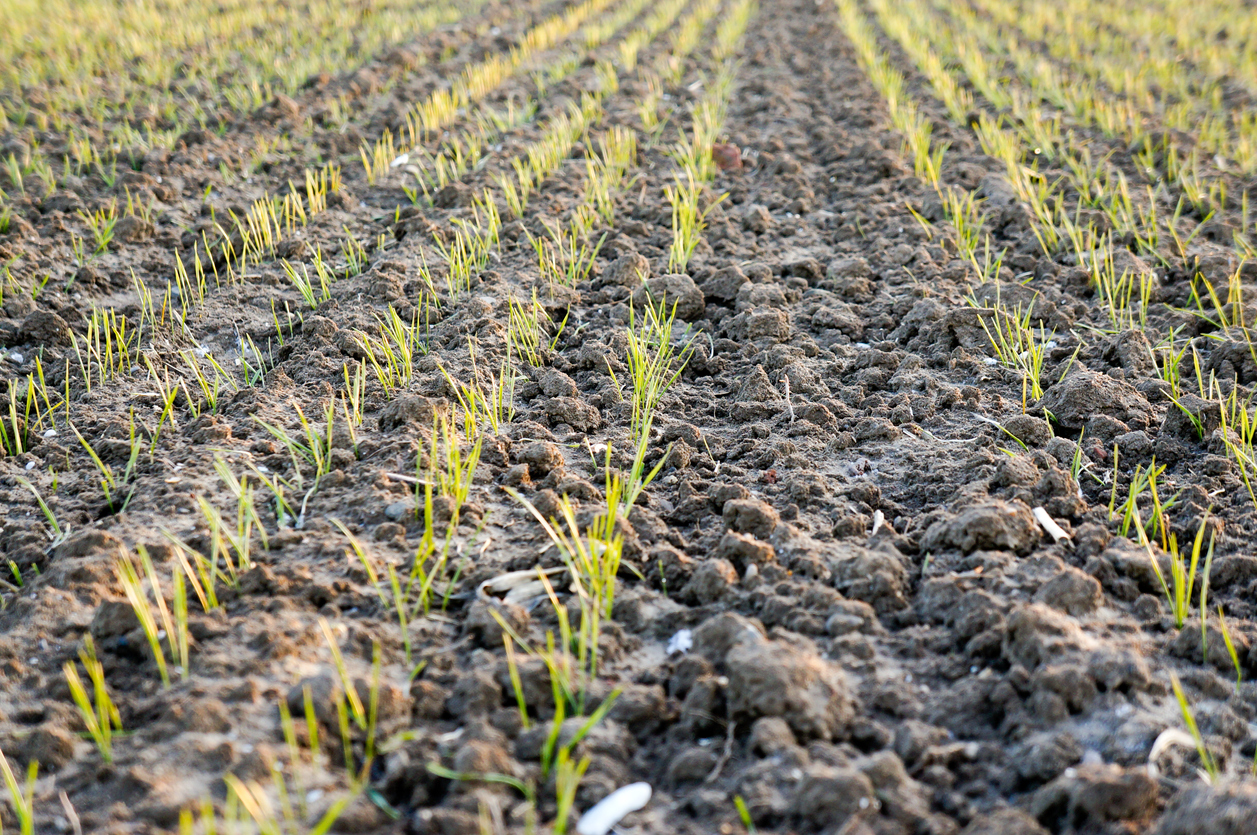
  The wet spring weather this year has delayed soybean harvest and stalled wheat and cover crop planting. While late planted wheat may not compete with seedings made in September, late planted October and even early November wheat can often be successful. Every day that wheat planting is delayed past the ideal planting window of late September and early October, fall tillering decreases and yield slips. The situation is especially concerning in the Midwest, which has seen less wheat planted early this year due to late spring crop plantings and later crop harvest. University research from Michigan, Ohio and Pennsylvania relate how best to manage late-seeded wheat fields to minimize yield loss and other problems. Here are some of their recommendations. First, watch your crop rotation. Avoid planting wheat into a corn crop because as grasses, both wheat and corn share many similar diseases. Diseases like Take All, a fusarium species, and head scab - fusarium, cause large yield losses,...

Fall Nutrient Management

Image
  Crops flourish and grow quickly in the spring. The first cutting of hay may be 50% higher than any other cutting. It’s not just due to more water. Increased spring growth comes from plant available nutrients (PAvN) from dormant microbes. Usually, this spring flush lasts 30-45 days, but with good management, this growth (and yield) flush may last all summer. However, it starts with fall nutrient management. All soil nutrients are part of a biological system. Each element is like a component or part in an engine. If one component is lacking or missing, the engine may not run as well or even stop running. Soil nutrients, especially micronutrients, are the activators to many biological processes. Over the winter; microbes release nutrients when they die, are consumed by others, but also when they are active. Plant available nutrients (PAvN) include many elements. The major positive charged elements called cations include ammonium (nitrogen), potassium, calcium, magnesium, and even so...

Striving for High Crop Yields

Image
  Everyone likes to follow a winner! Top farmers develop a suite of management practices that allows them to achieve higher average yields than their neighbors. High crop yields usually come from doing several things right and usually the weather has to cooperate. The world record holder on corn, David Hula, recently shared several of his high yielding management practices. Hula holds the all-time world corn yield record of 616 bushels set in 2019, on an irrigated strip till farm in Charles City, Virginia. Strip-till is a system where a 6-inch ban is tilled (fall or spring) before corn is planted. About 80% (24 inches in a 30-inch row) is left as no-till. The six-inch ban warms up quickly in the spring and allows corn to get a quick start. Cover crops can be planted between the tilled strips to add carbon and to improve soil health. Hula says getting corn off to a good start is a major key to high corn yields. The strip till section is usually a little drier and in a wet spring, mu...

Beneficial Soil Fungus Part 2

Image
  Beneficial soil fungus called mycorrhizae fungi (MF) can optimize crop yields. MF use to be abundant be MF must have a live root as a host. Plowing soil, fallow periods, and annual crops caused many beneficial MF to died off. Long fallow periods, 14-16 weeks; greatly reduce (85- 98%) MF population levels while shorter fallow periods, 3-6 weeks; reduce MF populations 30- 70%. Some hardy MF species survive in tilled crop land but using cover crops with a live root, can gradually increase MF populations over time (maybe 5-10 years). Inoculating a crop with MF spores speeds up the process and crops respond quickly.  A full rate of MF inoculant, depending on formulation, costs about $12-15/acre. This rate is designed to provide 150,000 propagules (spores and root fragments containing MF) or more per acre. MF research on crops is extensive with over 155,000 published research articles at this time with 10X more research articles on the use of corn (maize MF) than corn using anhydr...

Beneficial Soil Fungi

Image
  Mycorrhizal fungi (MF) are one of the most beneficial organisms on the planet. These fungi colonize plant roots, acting as root extenders to aid roots. MF are more efficient than roots and MF benefits are numerous. Increased root mass. Plants allocate a certain amount of energy to the root system. In the absence of MF, plants must build root hairs, which requires a lot of energy. Plants colonized with MF do not produce root hairs and instead use a much smaller amount of energy to allow MF to perform the job of absorbing water and nutrients. The hyphae (root-like structure) of MF is about 1/16th the diameter of a root hair (1/10 the diameter of human hair), and it takes about 1/256th the energy investment per mm of length to build than a root hair. With this energy savings, MF colonized plants tend to build much better root systems. Improved drought tolerance. One of the primary functions of a root system is water uptake and a colonized root will do so much better than an uncoloni...

New Soil Health Measurements

Image
  The Soil Health Institute (SHI), a non-profit organization dedicated to enhancing soil productivity, recently announced results from a 3-year research project on identifying soil health measurements across North America. Over 100 scientist reviewed data from 124 sites in Canada, Mexico, and the United States; comparing conventional tilled farming systems to longterm no-till, cover crops, and perennial cropping systems. Over 30 key soil health measurements were taken at various research sites in this project. Measurements were taken across a wide range of climates, soil types, environmental conditions, cropping practices, and different management. Scientifically, evaluating that many sites and that much data gave the project the scientific rigor to valid these soil health measurements across many different systems. Evaluating soil health is all about how well soil’s function. Functions such as water, carbon, and nutrient recycling are important for good plant productivity. Healthy...

Phosphorus and Lime Fertilization

Image
  Farmers are making plans for fall harvest, fertilization for phosphorus (P), and lime. Farmers need to minimize P losses at the edge of the field by following recommendations that maximize productivity while minimizing environmental impacts on water quality. Lime fertilization is less of an environmental issue but following certain guidelines is economical. Avoid overloading soils. Soil test and follow tri-state fertilizer recommendations. For corn and soybeans, 20-40 PPM Mechlich-III is an acceptable P soil test level with 30-50 PPM for wheat and alfalfa. Where soil test levels are above 40 ppm Mehlich III, do not apply additional P in a corn-soybean rotation. Fertilizing soils above these levels increases risk of P in runoff and tile drainage.  Avoid winter application. Eliminate surface application of manure or fertilizer to frozen or snowcovered fields. Frozen ground is ground that is frozen so that tillage is not possible. Surface applied manure or fertilizer is subject...

More Practice Soil Health Tips

Image
  After being on the road teaching (Iowa, Pennsylvania), I am home recovering from COVID. Here are the last 15 tips from my factsheet: “25 Tips to Growing and Managing Cover Crops”. Tip 11: Soil Microbes (especially bacteria) are like soluble bags of fertilizer and directly feed plant. There is about 1000-2000X more soil microbes associated with live roots than bare soil. Plants supply 25-45% of their total carbohydrate root reserves to feed soil microbes which retrieve soil nutrients more efficiently than plant roots hairs. Bonus: Beneficial microbes love sugar in small amounts, so add 1# sugar/Acre to nutrient, herbicide, fungicide spray applications. Tip 12: Use grasses with fibrous roots (cereal rye, oats, barley) before soybeans to maximize phosphorous uptake. Cereal rye controls weeds through competition for light and nutrients, allelopathy (natural herbicides in stem and leaves), and reduces diseases by keeping the soil drier due to transpiration (loss of water to the atmo...

Practice Soil Health Tips

Image
  Since I am on the road teaching, here are some practical tips from my factsheet: “25 Tips to Growing and Managing Cover Crops”. Tip 1: Use cover crop mixtures composed of at least one grass, one legume, and one brassica or other diverse cover crop species to improve diversity. Mix summer annuals with fall and winter annuals to increase crop diversity. Tip 2: Select diverse species that maximize both sunlight and moisture interception. At least 50 percent of cover crop species should be low growing, another 30 percent intermediate, and 20 percent tall growing. Select cover crops that have a variety of taproots and fibrous root systems that incept moisture from different soil regions. The goal is to utilize 100% of available sunlight and moisture to minimize direct competition for nutrients and water. Tip 3: To determine initial seeding rate in cover crop mixtures, divide the full rate of seed needed for each cover crop in a monoculture and divide by the number of cover crop speci...

Keeping Crops Healthy

Image
  Depending upon when they were planted, crops are either emerging or starting to grow quickly. This time of year, million-dollar rains (rains around 1 inch) encourage crops to grow quickly. Soil microbes live in the water films around roots, using water to travel around and to process nutrients. After a nice rain, crops often have tremendous growth because plant available nutrients are being released. Unfortunately, either too much rain or not enough, greatly slows down plant nutrient acquisition. Scouting corn, soybeans, and even vegetable crops; nutrient deficiencies are already starting to appear, although the signs are subtle. In corn, yellow striping on corn leaves is a sign of sulfur (S) deficiency and most soil test are showing that S is lacking. Sulfur is needed to make proteins like cysteine and methionine. Since the enforcement of the Clean Air Act (which was a free source of S), some fields may now need S fertilization. Sulfur is needed in a 10:1 nitrogen to sulfur rati...

Soil Compaction and Dinosaurs

Image
  Many lessons can be learned from history, even ancient history. Scientist have studied dinosaurs and discovered that their foot print was heavier than modern farm equipment. However, soil compaction from a dinosaur’s foot print was much less, so scientists are wondering why? This study was recently published in a recent paper in the Proceedings of the National Academy of Sciences, which linked farm machinery and dinosaurs. Soil compaction is causing crop yields to decline. The increasing human population requires more food production and more efficient use of arable (crop-producing) land. To increase efficiency, farm machinery has become larger, with combines having wider grain heads and larger grain hoppers and grain carts . Over the last few decades, the weight of combines has increased almost 10-fold, from around 9,000 pounds in 1958 to 80,000 pounds (40 ton) today. The result has been a growing problem, the compaction of soil below the tillage zone. The subsoil is where plant...