Reducing Harmful Algal Blooms

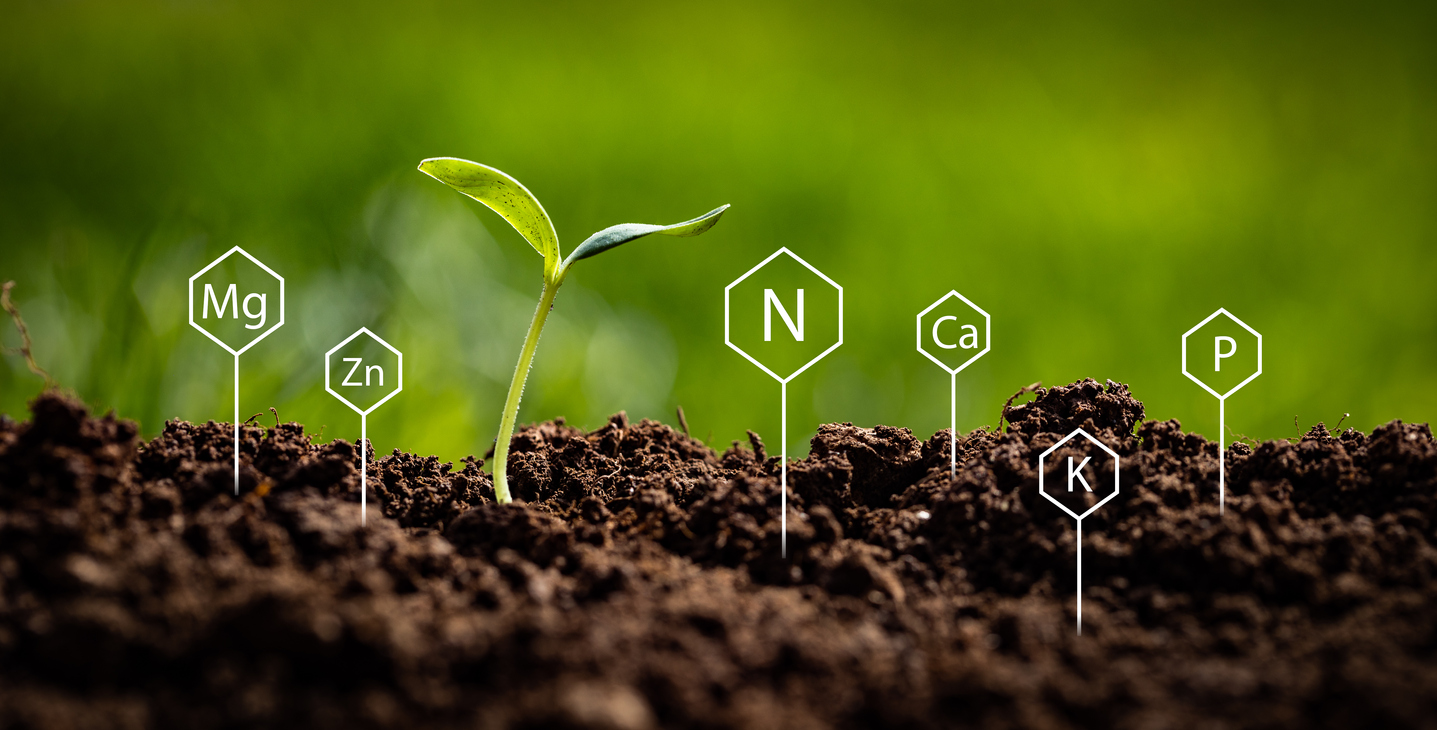
When late spring and early summer weather gets hot and muggy and we get lots of rain, expect things to grow. Unfortunately, that is also a good recipe for increased harmful algal blooms (HABs) in Lake Erie. New research shows that merely reducing phosphorus (P) loadings in Lake Erie will not solve the HAB problem; but may in fact, make them worse! Algal biomasses (actually cyanobacteria) will be reduced, but microcystin or toxic algal production will increase. With reduced P, the algae will take up increased amounts of fixed nitrogen, and in the absence of P will actually produce increased, toxic amounts of algal toxins, the microcysts. The lake won't be so green and will let in more light, but will become much more toxic (Hellweger et al, Science, 2022) Phosphorus is usually blamed for most HAB in freshwater because it is the most limiting element needed for plant growth. However, just a little extra P, greatly increases plant growth, especially in lakes. However, as far as poll...