Posts

Phosphorus Problems

Image
  Phosphorus Problems and Solutions: Part 1  Ohio legislators are considering a number of rules and regulation regarding phosphorus (P) fertilizer and manure. The following article outlines some facts about P runoff. Weather is one of the biggest culprits in P runoff. Over the last several decades, precipitation has changed with more numerous precipitation events occurring with higher amounts, longer duration, and increased intensity. Due to weather, the key facts are that 90% of P runoff comes from 1-2 major runoff events each year and 80% of P runoff comes from 20% of the soil (Dr. Andrew Sharpley). Location and transport are key factors. Fields close to a creek, stream, or river contribute a considerable amount of P in surface runoff. Most soil P is stratified and P is located in the top 2- 3 inches of the topsoil and subject to soil erosion and surface runoff. On measuring P runoff, the P concentration (usually measured in parts per million) times the transport factor (vol...

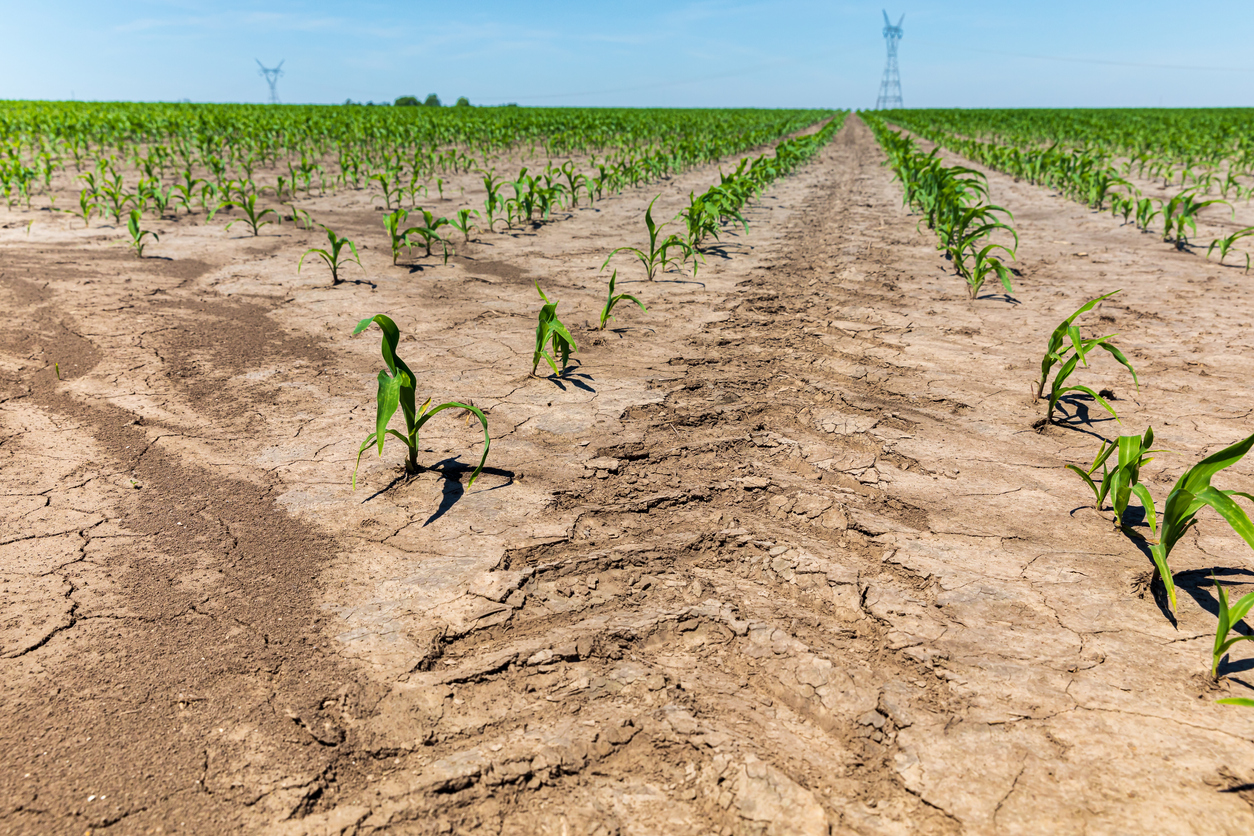
Corn Stalk Issues/Solutions

Image
Dealing with corn stalks Part 1 After heavy rains/flooding, a common complaint is the movement of corn stalks/residue off fields into surface ditches. The Soil & Water transects shows that about 67% of corn acres are planted to no-till soybeans and only 6-7% of soybean acres are planted to true no-till corn. The corn residue including corn leaves, corn stalks, and corn cobs and chaff may float off any field once it becomes saturated with water. The practice of no-tiling soybeans into corn stalks followed by conventional tilled corn is called rotational tillage. Farmers have found that there are economic benefits to no-tilling soybeans into corn stalks. It takes less fuel for no-till, the corn residue conserves moisture in a dry summer, reduces weed growth, increases water infiltration, and improves drainage. Environmental benefits of no-till soybeans into corn residue include less soil erosion and sediment losses, less nutrient runoff, and improved soil productivity. Negative side-...

Soil Compaction Remedies

Image
Farmers have harvested most of their soybeans and corn. Most fields have been dry (until this week) and farmers are looking to fix compaction problems. This article came from Sjoerd Duiker, Penn State (CORN newsletter 2015-35) and discusses ways to 1) increase soil resiliency to compaction, 2) to avoid compaction, and 3) ways to alleviate compaction. First, soil resiliency is a term that describes the ability of an ecosystem to resist disturbance by resisting damage and recovering rapidly. Soil can be made to resist compaction by eliminating tillage, increasing organic matter content, and maintaining a living soil root system. Long-term no-till farmer will testify that tires sink deeper in tilled soil. Any soil that was tilled will be more susceptible to compaction than a soil that has been in no-till continuously. Increasing organic matter content increases the soil resiliency to compaction, because the spongy humus maintains porosity and also increases aggregate stability. Finally, a...

Corn Stalks in Surface Water

Image
After heavy rains and extensive flooding, a common complaint in rural areas is the movement of corn stalks and crop residue off agricultural fields into roadways, surface ditches, and streams; causing drainage problems. Major questions include why farmers are increasingly using no-till and what can farmers do to prevent corn stalks and corn residue from clogging drainage outlets and ditches and from becoming a hazard on roadways. This factsheet will explain why 1) farmers are using no-till and 2) offer some strategies to reduce corn stalk and corn residue removal from agricultural fields. Some common farm myths are discussed which may be preventing farmers from reducing the corn stalk/corn residue issue. According to the Putnam County Soil & Water Conservation District 2015 transect, approximately 67% of corn acres are planted to no-till soybeans and only 6-7% of soybean acres are planted to true no-till corn. The corn residue including corn leaves, corn stalks, and corn cobs and c...