Posts

Is Early Maturing Corn Profitable

Image
Many farmers try to maximize yields but is that always the most profitable? Planting early season corn and soybean varieties allows farmers time to plant a cover crop which can add carbon and soil organic matter, protect your soil from erosion, and improve water quality. Generally early maturing crops have less moisture and the test weights are higher, but not always. Often it takes a few more bushels on late maturing crops just to pay the drying costs plus the extra transportation cost in hauling water. One farmer stated it takes an extra man just to keep the drier operating. So, the highest yield on late maturing corn may not always be the most profitable. A DTN article, February 2018 did a comparison of the yield advantage of longer season corn hybrids versus the extra cost of drying. The relationship between corn’s relative maturity (RM) and yield varies around the USA but they calculated a 1% yield difference for each day of relative maturity for most of the northwestern corn belt...

Frost Seeding Cover Crops

Image
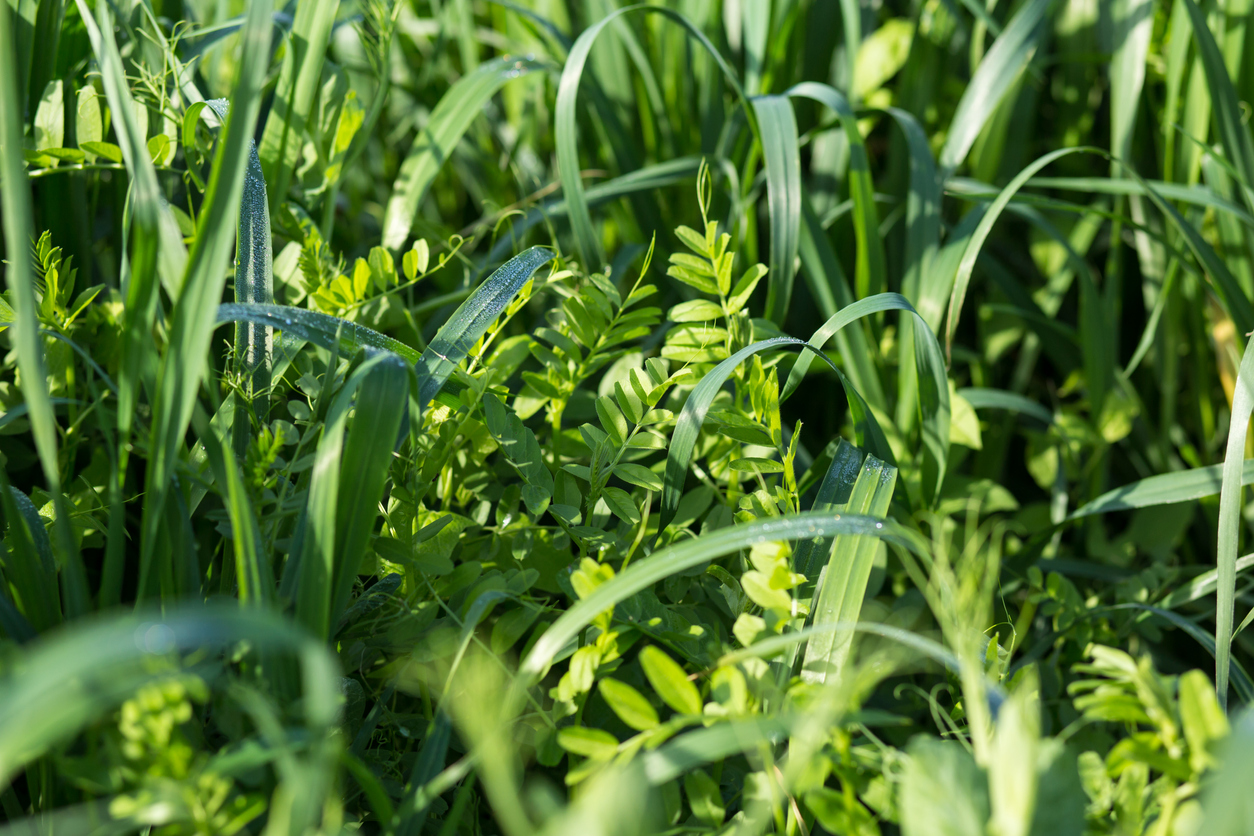
Frost seeding is broadcasting cover crop seed over a frozen soil surface and letting the freezing and thawing incorporate the seed into the soil profile. For hard seed (seed that is difficult to germinate), the freezing and thawing may break down the seed coat and improve germination. Most small grain fields (wheat, oats, barley, spelt) can be frost seeded but also fields that either had a poor cover crop stand or were not planted in the fall can also be frost seeded. Generally, small grain fields that have less than ideal stands are the best candidates for frost seeding cover crops. When the small grain crop is thick and yields are high, there is little sunlight and the grain competes with cover crop establishment.There are several benefits to frost seeding. Soil damage is minimized by driving on frozen ground with lighter vehicles. Small tractors and ATV’s with broadcast spreaders can cover a lot of ground very efficiently, which saves fuel. The best time to frost seed is early morni...

Is Soil Health Real

Image
Sceptics of soil health abound in agriculture. After World War II, farmers became reliant on inorganic fertilizer to improve crop yields. Soil organic matter (SOM) levels were still high, so an investment in fertilizer gave big yields. Today, most soils have lost 50-80% SOM, so it takes more fertilizer and environmental problems are getting worse. With improved genetics, crop yields continue to climb but at a much slower rate than most scientist predict. Soil pests like weeds, insects, and diseases continue to persist. While yields have improved, the nutrient density or mineral and vitamin content of our food is much lower than it was in the 1950’s. Fertilizer, genetics, and new technology (all man-made innovations) have a limited ability to improve our food supply without Mother nature’s help from microbes recycling nutrients and sequestering soil carbon. Improving soil health is all about using all our resources (man-made and natural) to enhance crop productivity. Farmers should want...

Inter-Seeding Cover Crops into Corn

Image
Getting a good cover crop stand after harvest can be difficult, so farmers are inter-seeding cover crops early into standing corn. Benefits include erosion control, extra nitrogen from legumes or clovers, using grasses as nitrogen scavengers, weed suppression, and livestock forage (grazed or hayed). Inter-seeding cover crops into corn early takes some planning; especially on timing, planting equipment, and selecting cover crop mixes, seeding rates and herbicides. Timing is critical so inter-seed before the corn canopies but not too early so that corn has to compete for moisture and sunlight. Penn State research shows that about V5 (V4-V6) or when corn has five true leaves is the ideal time. Planting earlier than V4 often results in competition from the cover crops and corn yield losses. Planting after V6 may be successful, but the amount of cover crop biomass may decline due to moisture and sunlight limitations. The goal is to get a head start on cover crop growth before corn is harves...