Posts

Crop Progress

Image
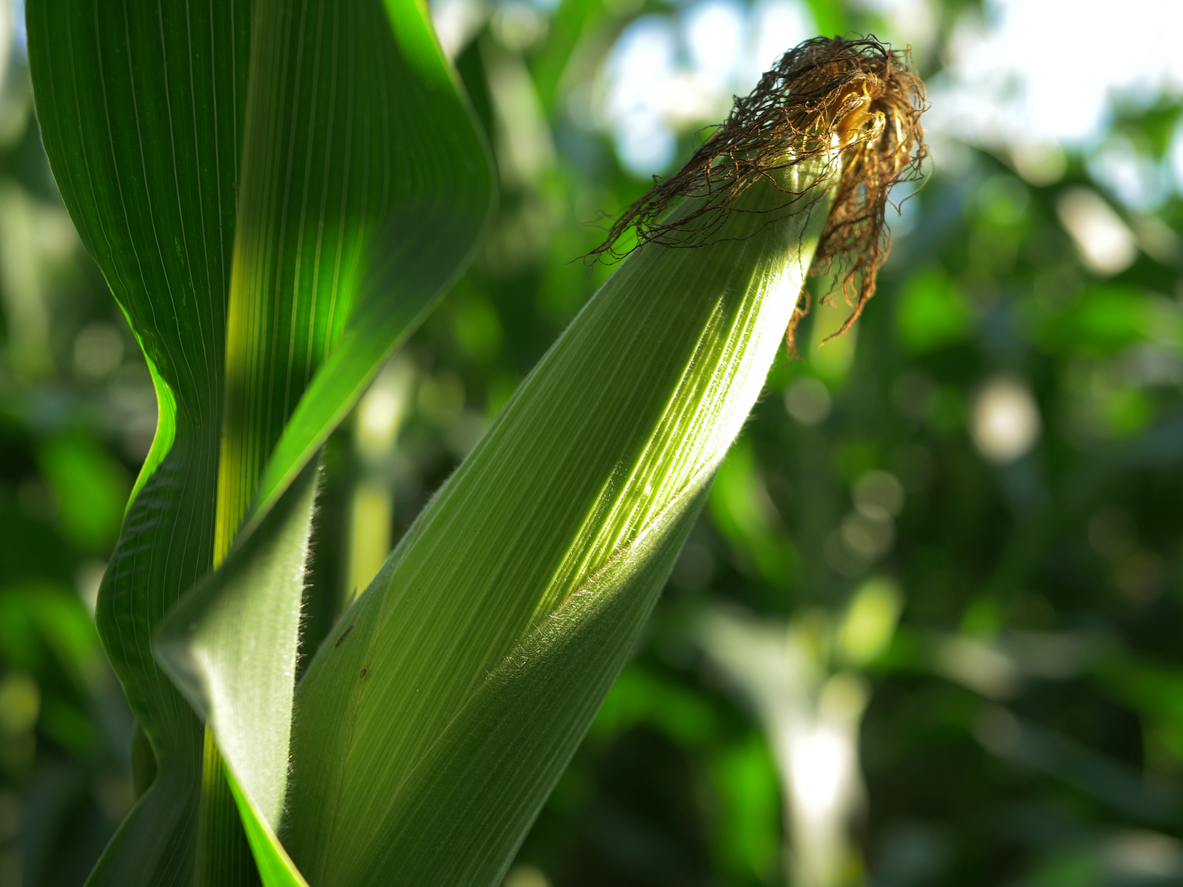
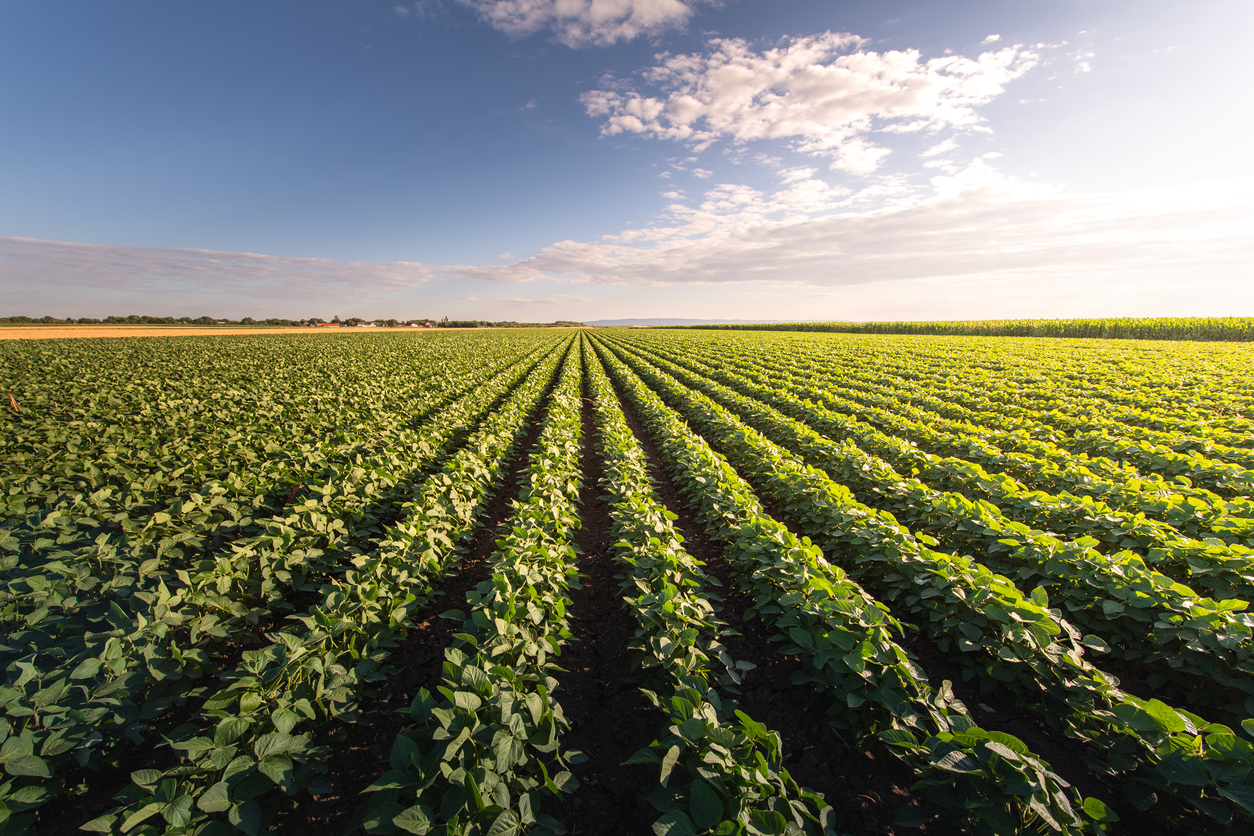
  As crops crop growth enters the last weeks of August, nights are getting shorter and colder. Crops are trying to fill either pods (soybeans) or kernels (corn). Time is slipping away for many crops. Some soybeans with an early start have good pods and good yield potential. Many double soybeans and those farms hit by drought do not have a lot of pods set yet. Corn may have taken the weather better than soybean this year, however; some corn ears are not fully filled out. For the last two years, hot dry weather in June has hurt crops from getting a good start. Perhaps it’s the smoke from Canadian wildfires, but many crops are at least 2 weeks behind normal development. Some farmers are hoping for a late frost this year to let those slow developing crops mature. Most famers tell me they had some of the best wheat yields ever plus high-quality grain. Wheat yields generally range from 60 to 90 bushel for my farmers. This year the range was 80 to 120 bushel. With less rainfall in spring ...

Nationwide Case Study on Soil Health

Image
  A nationwide study of 30 USA farms show how improving soil health helped farmers economically while also creating resilience to adverse weather. These farms covered the USA and included both crop farms, livestock farms, orchards, grazing systems, and vineyards. The study was conducted by the Soil Health Institute (SHI), the National Association of Conservation Districts (NACD), and USDA-NRCS. This was a multi-year study looking at farms that had adopted soil health management systems (SHMS) long-term. The Midwest farms used practices like no-till and cover crops to improve soil health. Crops like corn, soybeans, wheat, and hay were primarily studied in the Midwest along with dairy, hogs, and chickens. Farmers were interviewed over several years comparing the economic costs and benefits of their system before and after adoption of conservation practices. The goal was to determine how resilient the farms were and what were the costs, risks, and overall benefits or detriments to ada...

Transitioning to Organic Farming

Image
  Several farmers have requested information on how to transition to organic farming. Organic farms vary from a few vegetable acres to several thousand acres with or without livestock. Klass Marten is a New York organic farmer specializing in grains for milling, farming 1700 acres. Rick Clark is an Illinois/Indiana no-till, cover crop, organic farmer with 7,000 acres of corn, soybeans, wheat, and hay. Organic farming like conventional farms come in all sizes and configurations. USA organic food production is around 52 billion dollars (2021), up from 27 billion in 2010. Organic production makes up about 6% of overall USA food sales but is produced on about 1% of USA farmland. Farms transitioning to organic production increased about 17% from 2016 to 2019. USA organic food demand has increased about 8% per year with a slight decrease recently due to COVID, inflation, and economic conditions. Australia leads the world in organic production with 8.8% of its land farmed organically, acc...

Soybean Sudden Death Syndrome

Image
  Sudden Death Syndrome (SDS) and soybean cyst nematode (SCN) damage are often linked together. SDS is a soil borne fungal pathogen (Fusarium virguliforme) that invades the roots and lower stems of soybeans producing a toxin. SDS can devastate soybean fields causing aborted flowers and yellow dying plants. SDS has two major phases. In the first phase, it attacks the roots then in the second phase, it attacks the leaves causing leaf scorch. SDS infection occurs early in the season and then the SDS symptoms show up later in the season. SDS and SCN symptoms are more prominent in hot dry years. Foliar SDS symptoms include small to pale green leaves early on with small circular spots in the late vegetative stages to early reproductive soybean stages. The area between the leaf veins turn bright yellow then brown as the disease progresses. When the infection get severe, on roots, blue fungal masses can be seen. SDS is common on sandy soils, top of hills and knolls, but also on plants unde...